Understanding That Every Smile Develops Differently
Parents often wonder why one child starts orthodontic treatment at an early age while another is advised to wait until their teenage years. It is natural to compare treatment recommendations with friends, siblings, or classmates, but orthodontic care is never a one size fits all process. Every child’s teeth, jaws, facial growth, and oral habits develop at a different pace, making personalized treatment essential for achieving healthy and lasting results. At Amini Ortho, we carefully evaluate each child’s unique dental development before recommending the most appropriate timeline. Our goal is always to provide treatment when it offers the greatest long term benefit rather than simply following a standard schedule.
Growth Patterns Play a Major Role
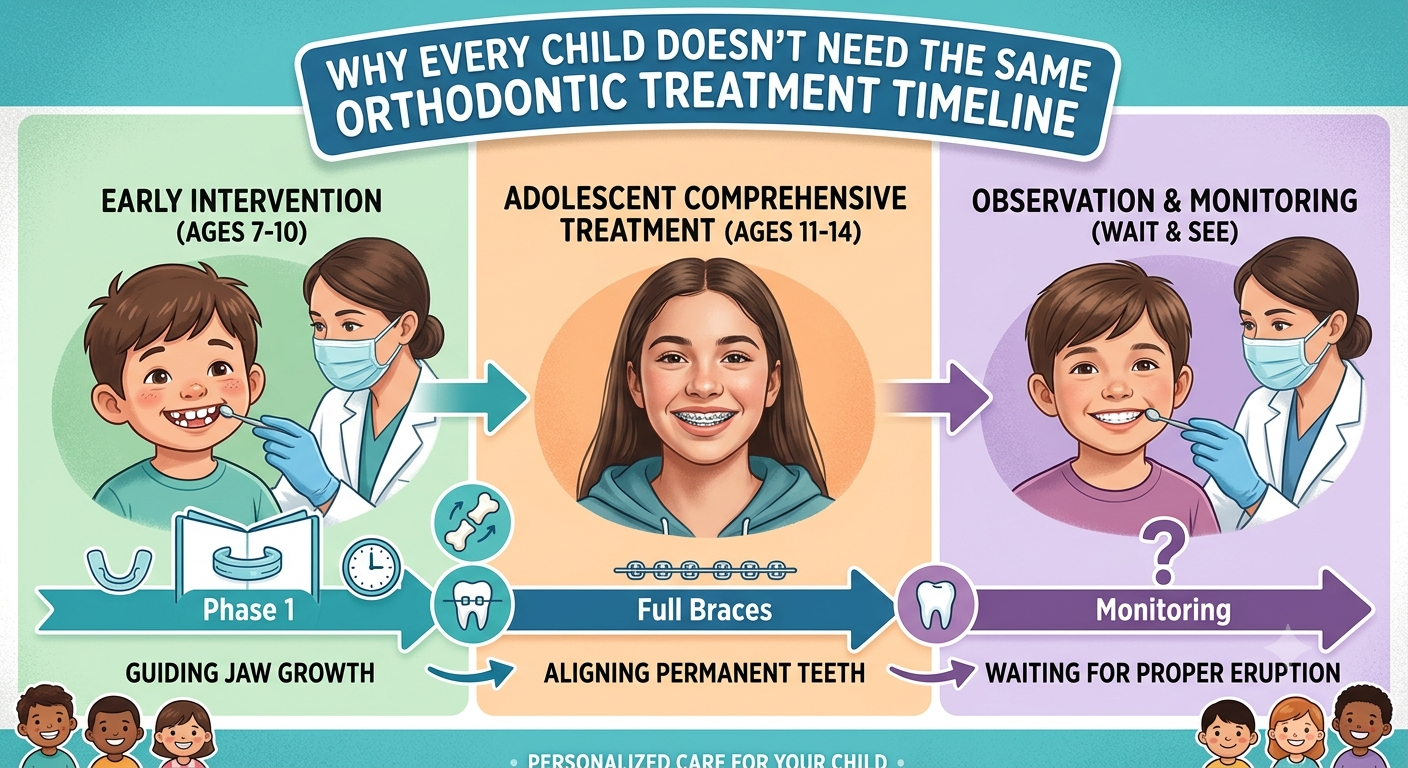
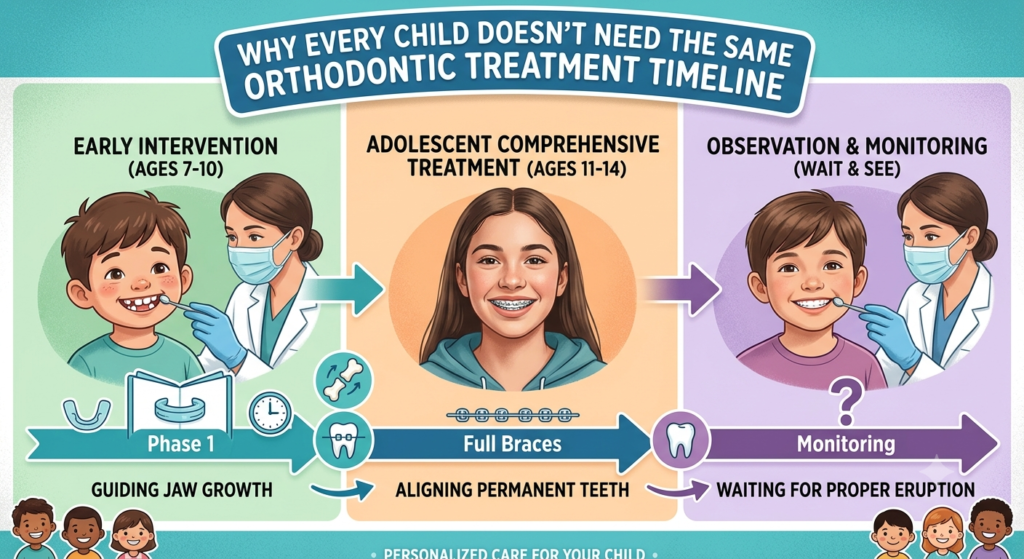
One of the biggest reasons treatment timelines differ is because children grow at different rates. Some experience rapid jaw development early in childhood, while others continue growing well into their teenage years. Since orthodontic treatment often works alongside natural growth, understanding these patterns is extremely important. Beginning treatment too early may require unnecessary additional phases, while waiting too long could allow certain problems to become more difficult to correct. We closely monitor growth milestones so we can determine the right moment to begin treatment based on each child’s individual development rather than their age alone.
Dental Development Is Never Identical
Children lose baby teeth and gain permanent teeth according to their own biological schedule. Some children have all of their permanent front teeth by age eight, while others may still have several baby teeth well beyond that point. The position, eruption sequence, and spacing of incoming teeth greatly influence orthodontic planning. If permanent teeth have not erupted sufficiently, certain treatments may not yet be effective. On the other hand, some alignment issues require intervention before all adult teeth appear. Understanding each child’s dental development allows us to recommend a timeline that matches their specific needs rather than following general expectations.
The Type of Orthodontic Problem Matters
Not every orthodontic issue requires immediate correction. Mild crowding or small spacing concerns may simply need observation until additional permanent teeth erupt. More complex conditions, including severe crossbites, underbites, impacted teeth, or significant jaw discrepancies, often benefit from earlier intervention because growth can help improve treatment outcomes. Each orthodontic condition responds differently depending on timing, making individualized planning essential. Rather than rushing into treatment, we carefully assess which problems truly require early action and which can safely wait without compromising future results.
Early Treatment Is Helpful for Some Children
Interceptive orthodontic treatment, often called Phase One treatment, is designed to address specific developmental concerns while a child is still growing. This approach may guide jaw growth, create space for permanent teeth, reduce the risk of tooth trauma, or correct harmful bite relationships before they worsen. However, not every child needs this early phase. Many children can achieve excellent results with a single comprehensive treatment during adolescence. Recommending early treatment only when it provides measurable benefits helps avoid unnecessary procedures while supporting healthy oral development.
Habits Can Influence Treatment Timing
Thumb sucking, prolonged pacifier use, tongue thrusting, mouth breathing, and other oral habits can significantly affect how the teeth and jaws develop. Children who continue these habits for extended periods may develop bite problems that require earlier orthodontic attention. In contrast, children without these habits may experience normal development that does not require immediate correction. Evaluating lifestyle factors alongside dental growth allows us to determine whether intervention should begin sooner or whether monitoring remains the best course of action.
Jaw Development Is Different for Every Child
Orthodontics involves much more than straightening teeth. The upper and lower jaws must also grow in harmony to create a balanced bite and attractive facial profile. Some children naturally develop well aligned jaws, while others experience uneven growth that may require specialized orthodontic techniques. Because jaw growth continues throughout childhood and adolescence, treatment timing often depends on predicting future development. Starting treatment during the ideal growth window can improve results and reduce the need for more complex procedures later in life.
Genetics Influence Orthodontic Needs
A child’s genetic background plays an important role in determining how their teeth and jaws develop. Traits such as crowding, spacing, overbites, underbites, and narrow dental arches often run in families. Although genetics cannot be changed, recognizing inherited patterns allows orthodontists to monitor children more effectively and recommend treatment at the most beneficial stage of development. Two children of the same age may have completely different treatment needs simply because of their inherited growth characteristics.
Emotional Readiness Is Also Important
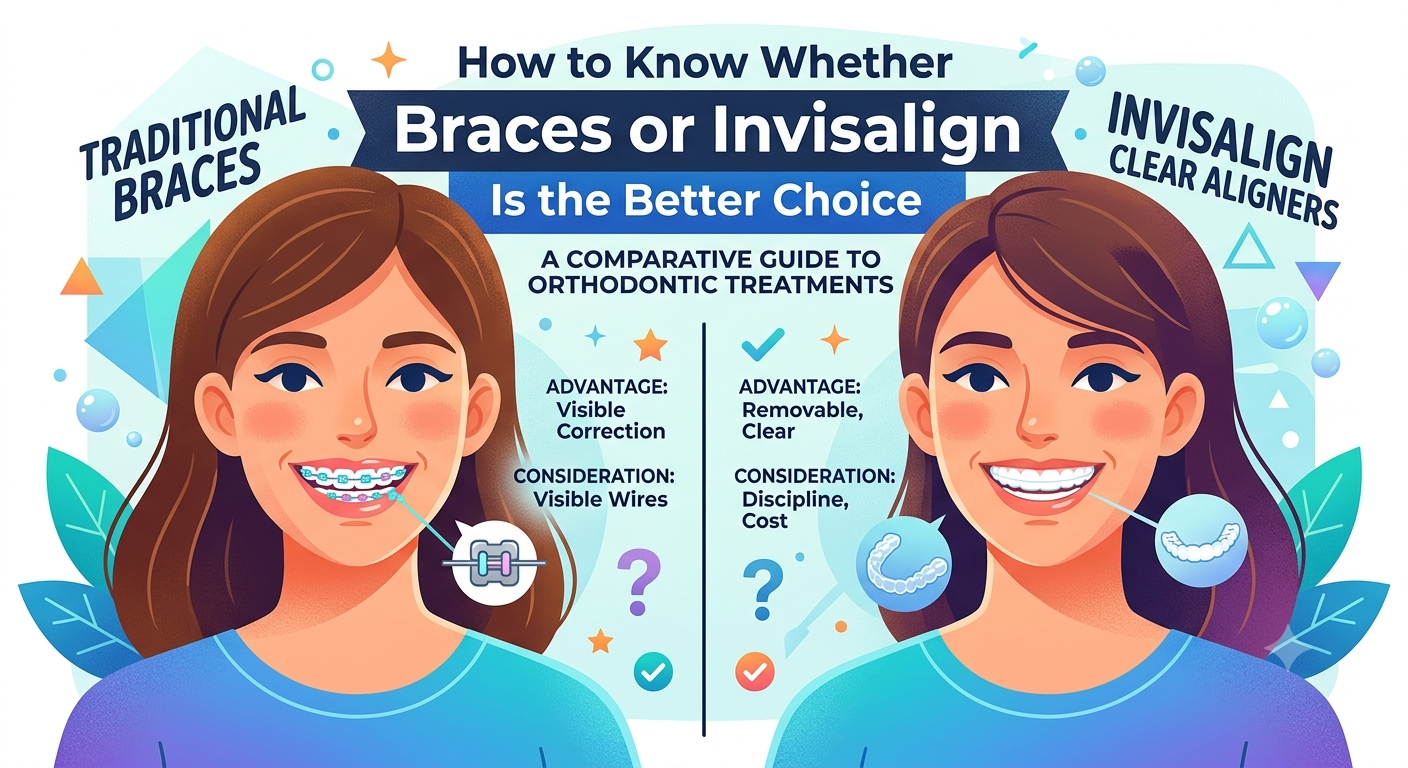
Successful orthodontic treatment requires cooperation from the patient. Children need to maintain excellent oral hygiene, attend appointments regularly, and follow instructions regarding appliances or aligners. While some younger children are highly responsible and motivated, others may not yet be emotionally prepared for the commitment required. Assessing maturity alongside dental development helps ensure treatment proceeds smoothly and improves the likelihood of achieving excellent results. A personalized timeline considers both physical and emotional readiness rather than focusing solely on age.
Monitoring Can Be Better Than Immediate Treatment
Many parents are surprised when an orthodontist recommends observation instead of beginning treatment immediately. Monitoring is an active part of orthodontic care and allows us to track dental development over time while identifying the ideal point for intervention. Regular evaluations help us recognize changes in tooth eruption, jaw growth, and bite relationships without exposing children to unnecessary treatment. This careful approach ensures that treatment begins only when it offers the greatest benefit and the highest chance of long term success.
Technology Supports Personalized Treatment Planning
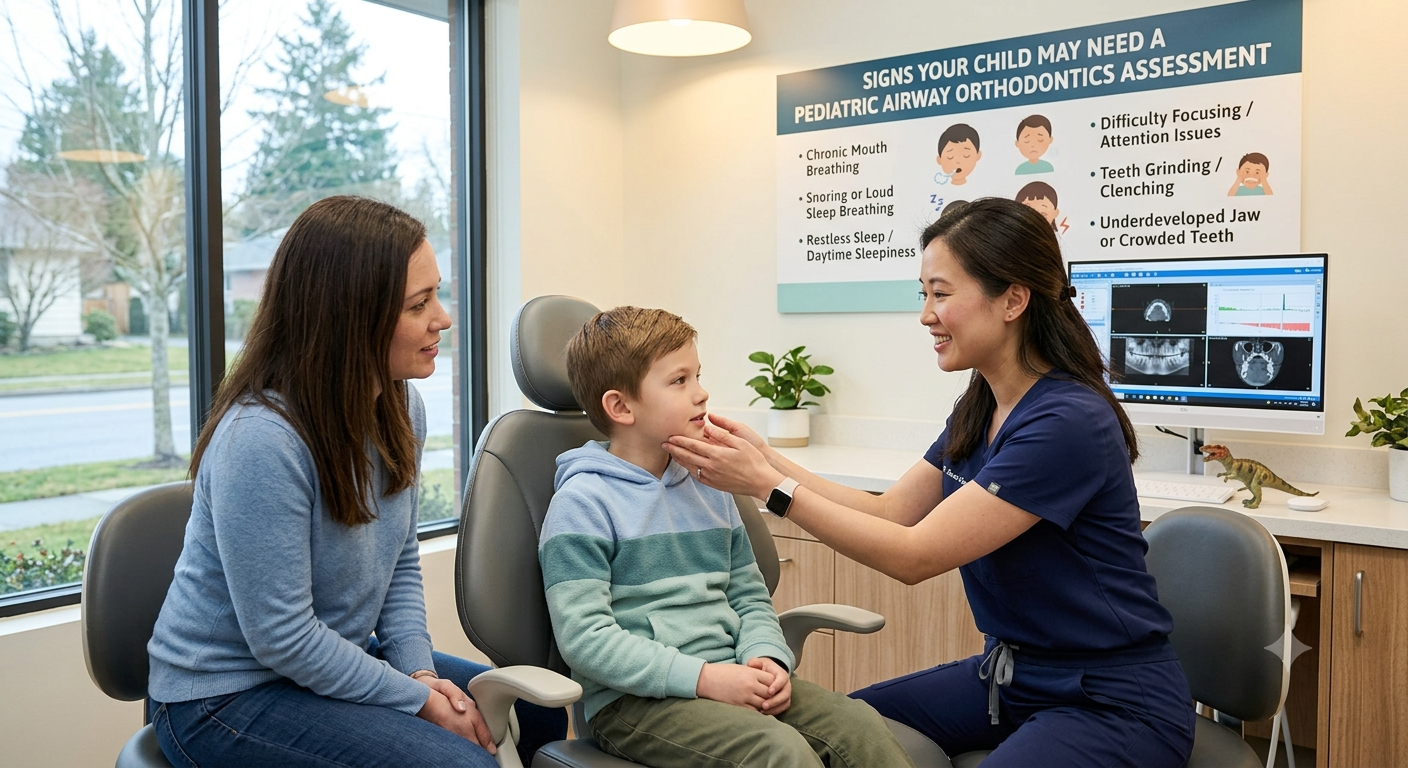
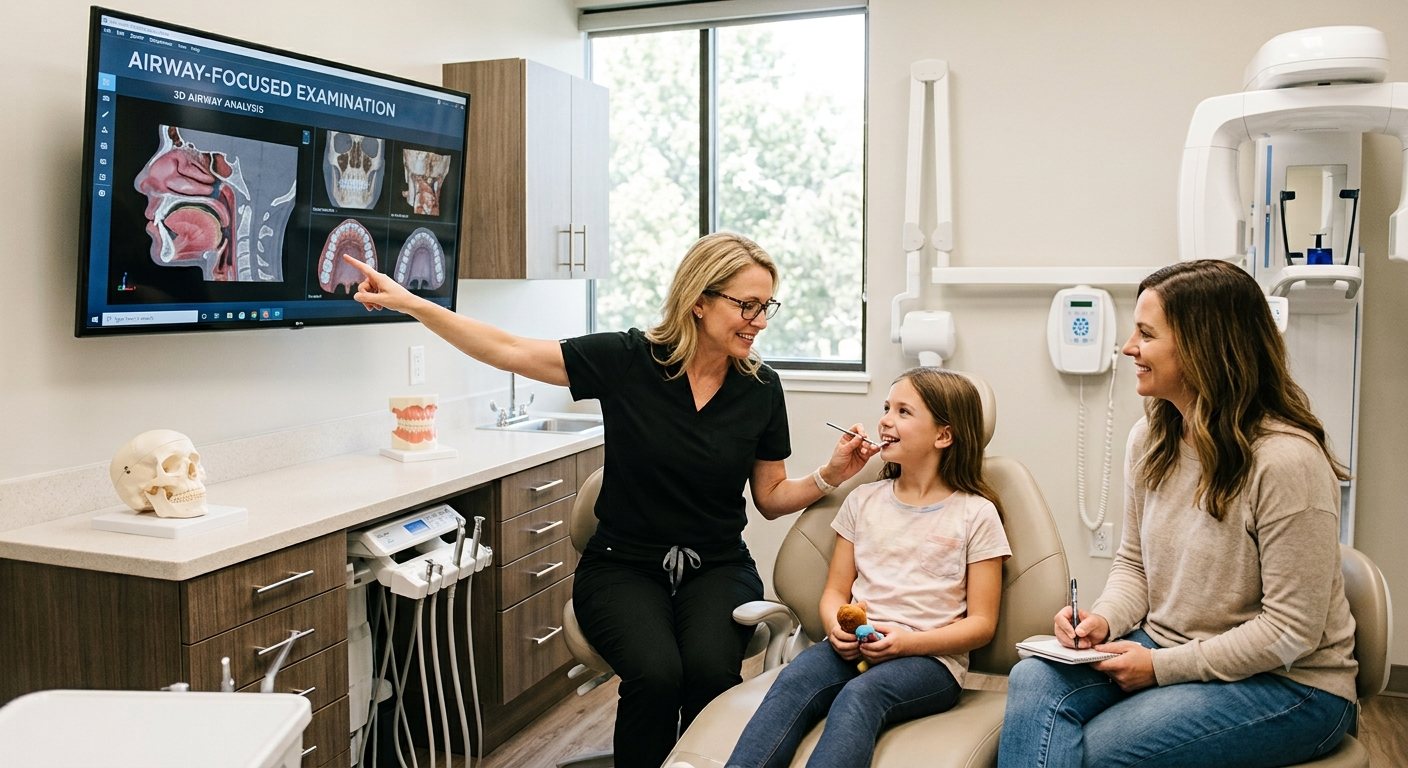
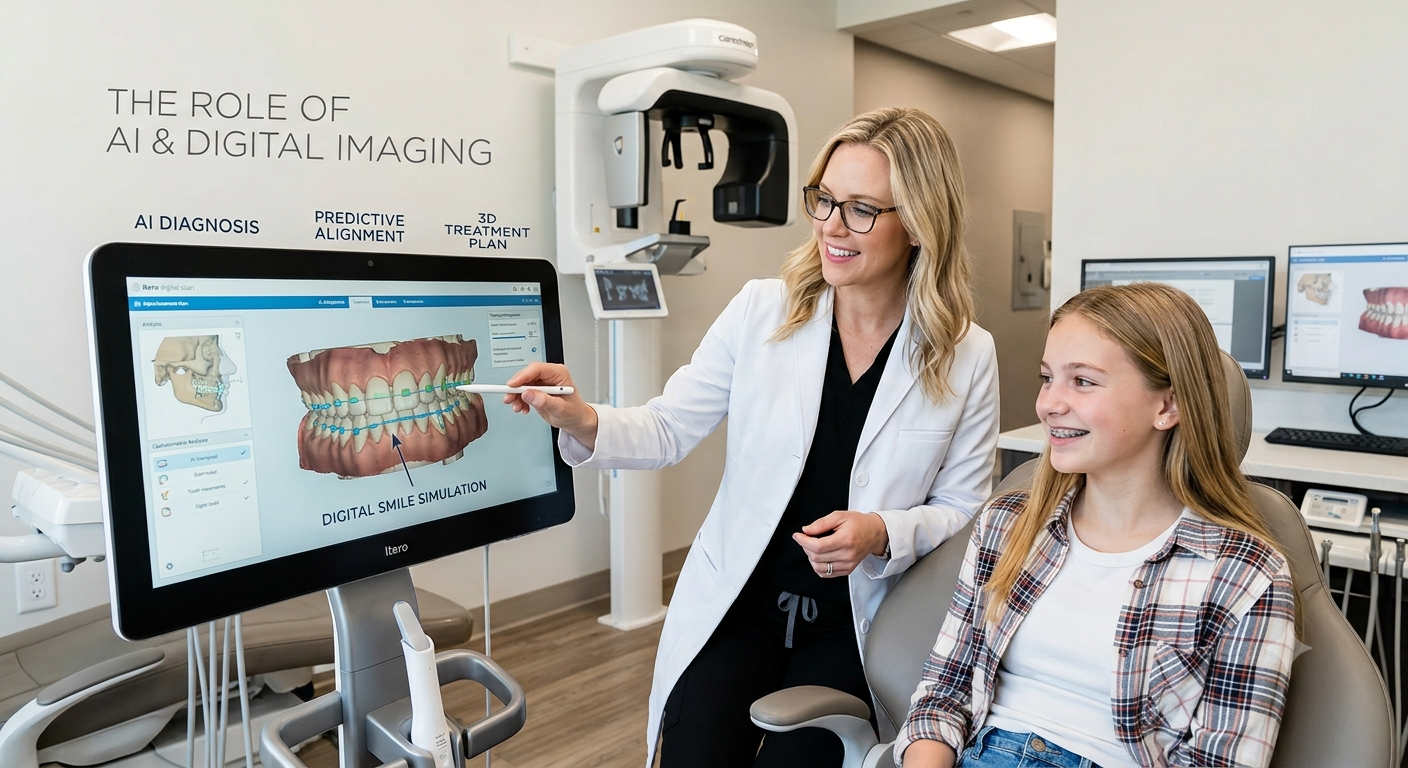
Modern diagnostic technology allows orthodontists to evaluate children’s oral development with remarkable accuracy. Digital imaging, three dimensional scans, growth assessments, and detailed bite analysis provide valuable information that helps create customized treatment plans. Instead of relying solely on age based guidelines, these advanced tools allow us to understand exactly how each child’s mouth is developing. This detailed evaluation leads to more precise recommendations and better treatment outcomes while minimizing unnecessary procedures.
Why Regular Orthodontic Evaluations Matter
Even if treatment is not needed immediately, regular orthodontic checkups allow developing issues to be identified before they become more complicated. Small concerns can often be managed more efficiently when detected early, reducing the likelihood of extensive treatment later. Monitoring growth also provides reassurance for parents, helping them understand how their child’s smile is progressing over time. At Amini Ortho, we believe that informed decision making begins with consistent evaluations and personalized guidance tailored to every stage of development.
Building Healthy Smiles Through Individualized Care
Every child deserves an orthodontic treatment plan designed specifically for their unique needs rather than one based on age or comparison with others. Differences in growth, tooth eruption, jaw development, genetics, habits, and emotional readiness all contribute to determining the ideal treatment timeline. Personalized care allows orthodontic treatment to begin at the right moment, maximizing effectiveness while minimizing unnecessary intervention. At Amini Ortho, we are committed to creating customized treatment plans that respect each child’s natural development and support healthy, confident smiles that last a lifetime.