How to Know Whether Braces or Invisalign Is the Better Choice
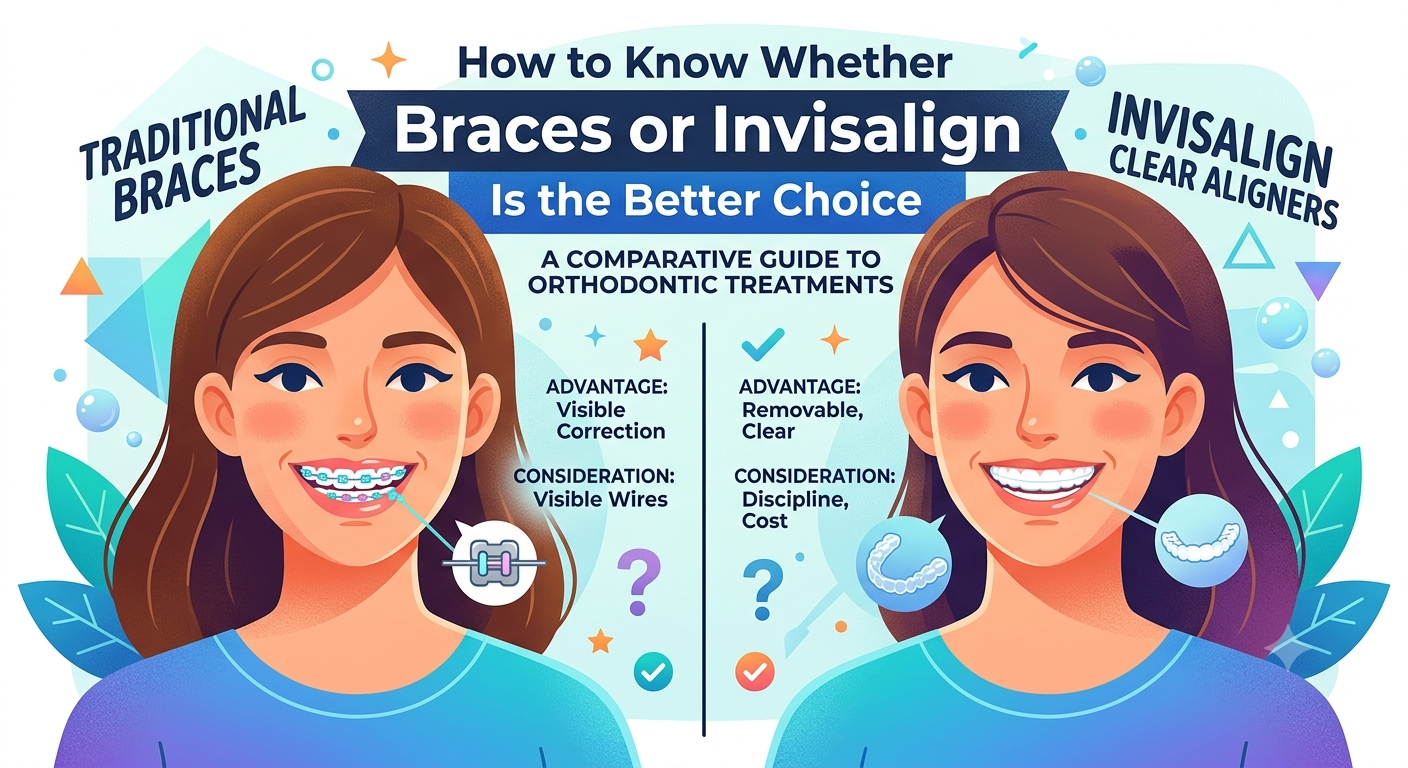
Choosing between braces and Invisalign is one of the most common questions people ask when beginning orthodontic treatment. Both options are designed to improve the alignment of your teeth, create a healthier bite, and enhance your smile, but they achieve these goals in different ways. The right choice depends on your dental condition, daily routine, lifestyle preferences, and long term treatment goals. At Amini Ortho, we believe every patient deserves a personalized treatment plan that delivers the best possible outcome rather than a one size fits all solution. Understanding the strengths of each option can help you make a confident and informed decision about your orthodontic journey.
Understanding the Purpose of Orthodontic Treatment
Orthodontic treatment is about much more than creating a beautiful smile. Properly aligned teeth make it easier to clean every surface, reducing the likelihood of plaque buildup, gum disease, and tooth decay over time. Correcting bite problems can also relieve excessive pressure on certain teeth, minimize jaw discomfort, and improve chewing efficiency. Whether you choose braces or Invisalign, the primary objective is to create a balanced bite that supports both oral health and lasting function. We carefully evaluate every aspect of your smile before recommending a treatment option because successful orthodontic care begins with a comprehensive diagnosis.
What Traditional Braces Offer
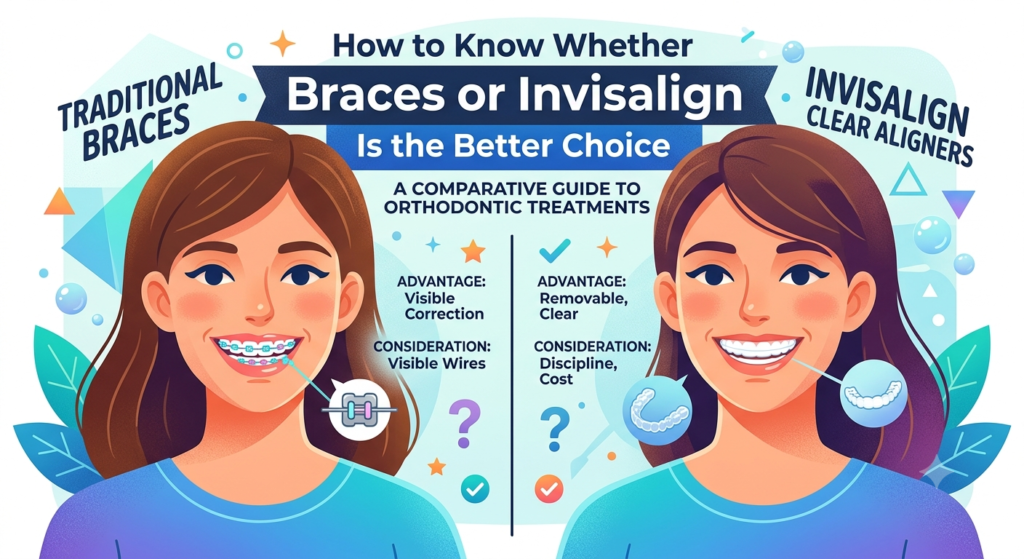
Traditional braces have been used successfully for decades because they provide consistent and reliable tooth movement across a wide range of orthodontic concerns. They consist of brackets attached to the teeth and connected by wires that are periodically adjusted to guide the teeth into their desired positions. Since braces remain fixed throughout treatment, they work continuously without relying on patient compliance for daily wear. This makes them especially beneficial for younger patients or individuals who may have difficulty remembering to wear removable aligners consistently. Modern braces are also smaller and more comfortable than earlier versions, making treatment more convenient than many people expect.
Understanding How Invisalign Works
Invisalign uses a series of custom made clear aligners that gradually move the teeth into better alignment over time. Each aligner is worn for a specific period before progressing to the next set in the series, allowing controlled and predictable movement throughout treatment. Because the aligners are removable, patients can continue enjoying their favorite foods while maintaining their regular brushing and flossing routine without special tools. The nearly invisible appearance of the aligners also makes them attractive to adults and teenagers who prefer a more discreet orthodontic solution. We often find that patients appreciate the flexibility Invisalign provides while still achieving excellent results when worn as instructed.
The Importance of Your Orthodontic Condition
The complexity of your orthodontic needs plays a major role in determining whether braces or Invisalign is the better option. Mild crowding, spacing issues, and many moderate alignment problems can often be corrected successfully using clear aligners. However, more complicated cases involving significant bite discrepancies, severe crowding, impacted teeth, or extensive tooth rotation may respond more effectively to traditional braces. Every smile is unique, and the treatment approach should always reflect the specific challenges presented by your teeth and jaw alignment. Careful planning ensures that the selected method can achieve stable, long lasting improvements.
Considering Your Lifestyle
Your daily routine can significantly influence which orthodontic treatment fits you best. Invisalign requires wearing the aligners for approximately twenty two hours each day, removing them only for eating, drinking anything other than water, and oral hygiene. Patients who travel frequently, attend professional meetings, or participate in public speaking often appreciate the discreet appearance of clear aligners. On the other hand, individuals who prefer not to think about removing and replacing aligners throughout the day may find braces to be a more convenient option. We encourage patients to consider their habits honestly because consistency plays an essential role in treatment success.
Appearance and Confidence During Treatment
Many patients place considerable importance on how their orthodontic treatment will look throughout the process. Invisalign aligners are transparent and generally much less noticeable during everyday conversations, photographs, and professional interactions. This subtle appearance makes them especially appealing for adults and older teenagers who want their orthodontic treatment to remain as discreet as possible. Traditional braces are more visible, although today’s designs are smaller and less bulky than those used in previous generations. Ultimately, both options are temporary, and the lasting confidence that comes with a healthy, well aligned smile often outweighs any short term cosmetic concerns during treatment.
Oral Hygiene and Daily Maintenance
Maintaining excellent oral hygiene is important regardless of the orthodontic treatment you choose, but the daily routines differ between braces and Invisalign. Braces require careful brushing around brackets and wires to remove food particles and plaque that can accumulate throughout the day. Patients may also need additional cleaning tools to reach difficult areas effectively. Invisalign aligners can be removed before brushing and flossing, allowing patients to continue their normal oral hygiene routine with minimal adjustment. However, the aligners themselves also require regular cleaning to remain clear, fresh, and free from bacteria buildup throughout treatment.
Food Choices Throughout Treatment
One advantage of Invisalign is the ability to eat without restrictions because the aligners are removed during meals. Patients can continue enjoying crunchy vegetables, popcorn, nuts, chewy foods, and other favorite meals without worrying about damaging orthodontic appliances. Traditional braces require avoiding certain hard, sticky, or excessively chewy foods because they may loosen brackets or bend wires, leading to unexpected repair appointments. Although these dietary adjustments require some planning, many patients adapt quickly and continue enjoying a varied and satisfying diet throughout their treatment period. Following the recommended guidelines helps ensure steady progress without unnecessary delays.
Comfort During the Treatment Process
Both braces and Invisalign involve periods of adjustment as the teeth gradually shift into new positions. Invisalign aligners generally have smooth edges that reduce irritation to the cheeks and lips, making them comfortable for many patients after an initial adaptation period. Braces can sometimes cause temporary soreness following adjustments, and the brackets may occasionally irritate the inside of the mouth until the tissues become accustomed to them. These sensations are usually mild and short lived, reflecting the normal biological process of tooth movement. Most patients find that any temporary discomfort decreases significantly as treatment continues.
Treatment Time and Patient Cooperation
The overall duration of orthodontic treatment depends on the complexity of the case rather than the appliance alone. Some patients complete treatment in a relatively short period, while others require additional time to achieve ideal alignment and bite correction. Invisalign relies heavily on patient commitment because failing to wear the aligners for the recommended number of hours each day can delay progress and reduce treatment effectiveness. Braces work continuously because they remain attached to the teeth, providing consistent force throughout the treatment process. We carefully monitor progress during regular appointments to ensure every patient stays on track toward their desired outcome.
Professional Guidance Makes the Difference
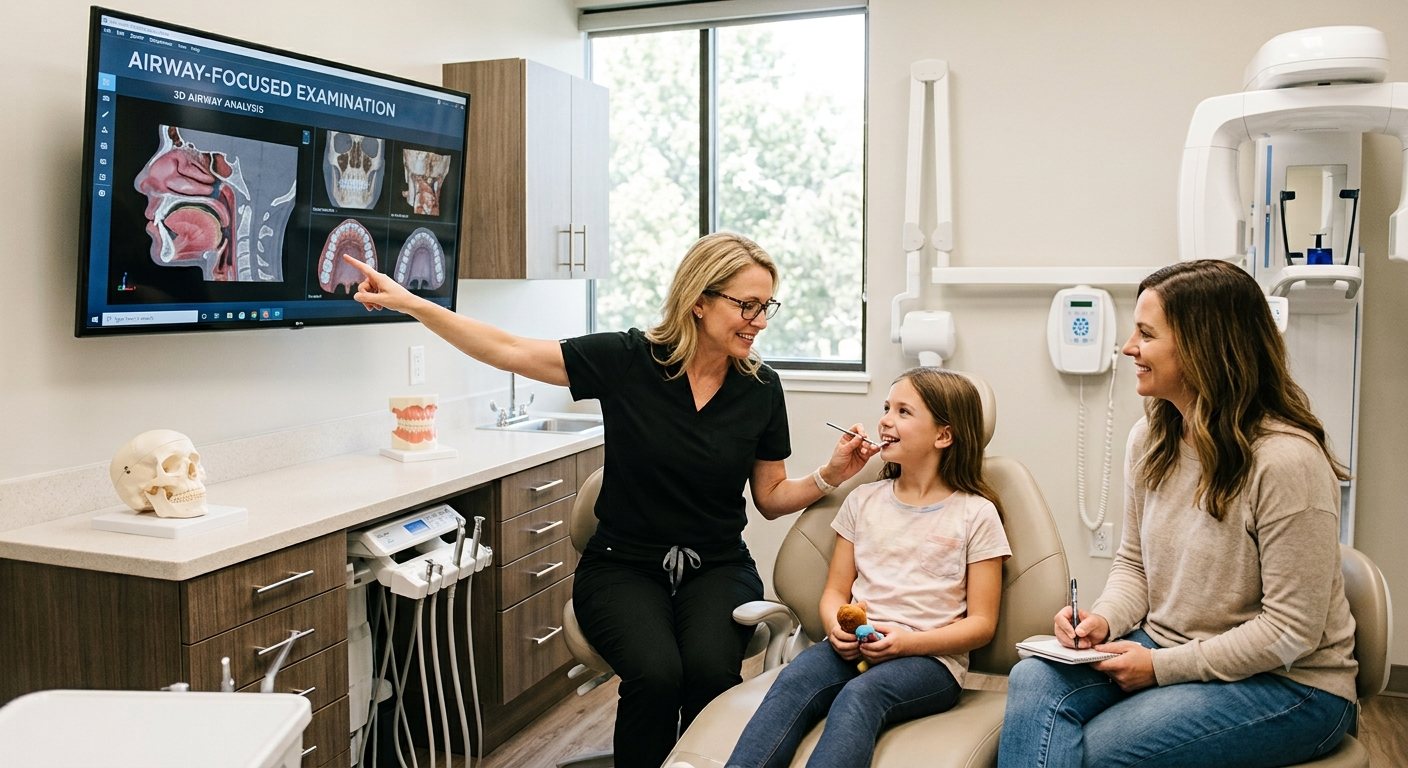
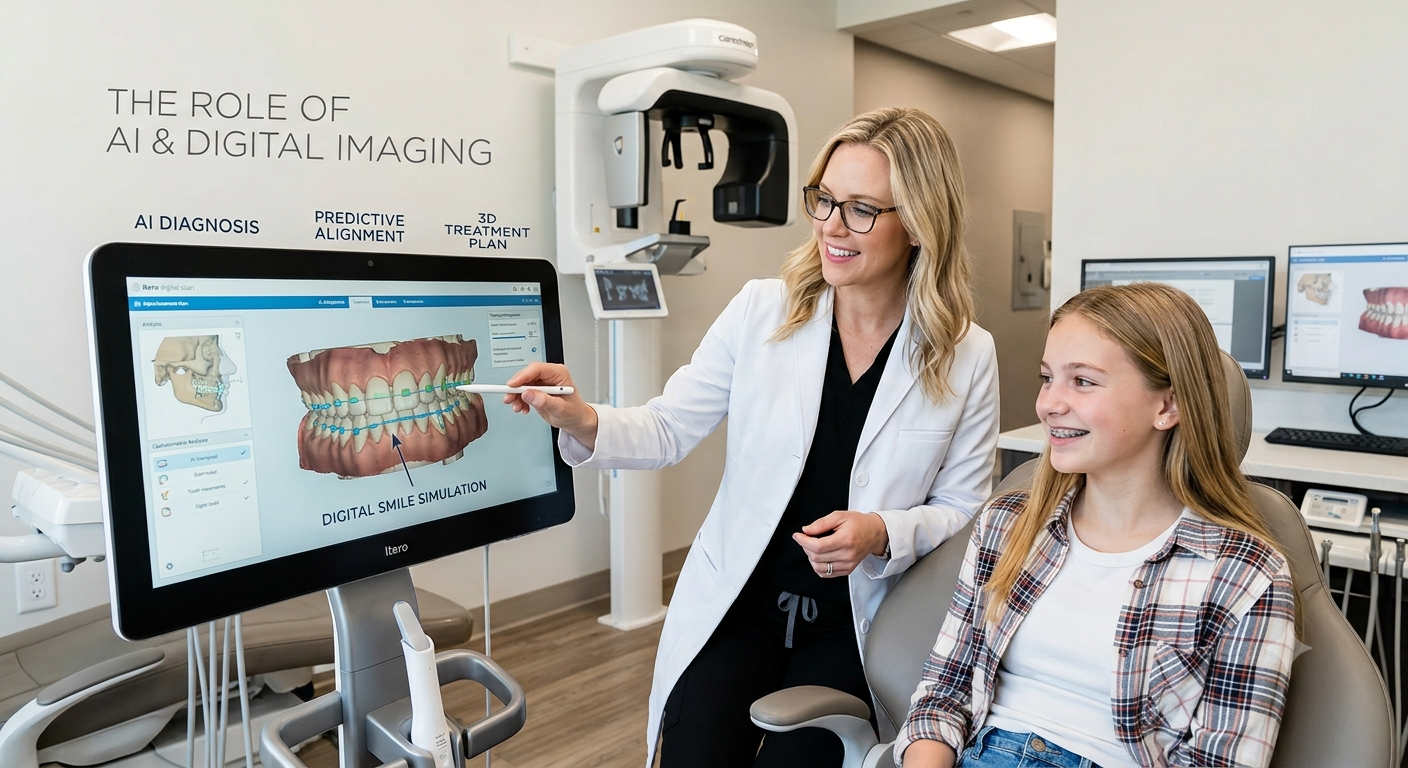
Although online information can provide general knowledge, no article can replace a comprehensive orthodontic evaluation performed by an experienced professional. Every patient’s teeth, bite, facial structure, and long term goals are different, making personalized recommendations essential for achieving the best possible results. During your consultation, we evaluate detailed diagnostic records, discuss your expectations, and explain how each treatment option applies specifically to your situation. This collaborative approach allows you to understand both the benefits and limitations of braces and Invisalign before making your decision. At Amini Ortho, we prioritize education because informed patients feel more confident throughout every stage of treatment.
Making the Right Choice for Your Smile
Choosing between braces and Invisalign should never be based solely on appearance or convenience. The most successful orthodontic treatment is the one that effectively addresses your unique dental needs while fitting comfortably into your daily life and supporting your long term oral health goals. Factors such as treatment complexity, lifestyle, commitment to wearing aligners, oral hygiene habits, and personal preferences all contribute to determining the best solution. At Amini Ortho, we work closely with every patient to create individualized treatment plans that deliver healthy function, lasting stability, and beautiful smiles that can be enjoyed for many years to come.