Understanding Why Airway Health Matters in Childhood
Every parent wants to see their child grow with confidence, energy, and good overall health. While most people associate orthodontics with straight teeth, a child’s oral development is closely connected to breathing, sleeping, facial growth, and long term wellness. A healthy airway allows children to breathe comfortably, sleep deeply, and develop properly throughout their growing years. When the airway is restricted, it can affect much more than the appearance of a smile. At Amini Ortho, we believe early evaluation helps identify concerns before they become more significant, allowing families to make informed decisions about their child’s future health.
What Is Pediatric Airway Orthodontics?
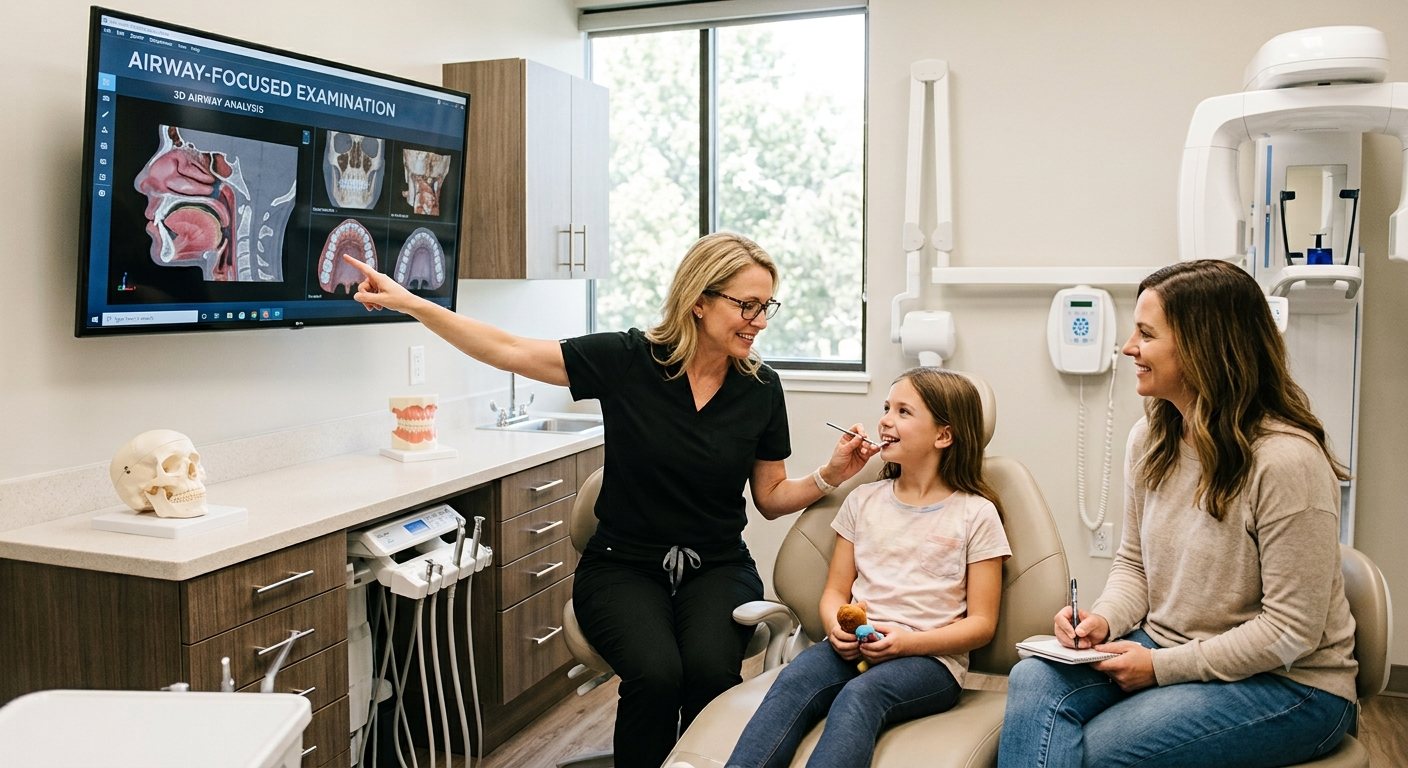
Pediatric airway orthodontics focuses on evaluating how the jaws, teeth, tongue, and surrounding structures influence breathing. Rather than looking only at tooth alignment, this approach considers how facial growth affects airflow through the nose and mouth. Children are still developing, which means there is often an opportunity to guide healthy jaw development while bones remain flexible. An assessment typically includes a detailed examination of facial structure, dental development, bite alignment, breathing patterns, and other contributing factors. By understanding the complete picture, we can determine whether further treatment or monitoring is appropriate for your child.
Frequent Mouth Breathing During the Day
One of the earliest signs that may indicate an airway concern is persistent mouth breathing. While occasional mouth breathing during a cold or allergy season is common, children who regularly breathe through their mouths even when healthy may benefit from an evaluation. Mouth breathing can influence facial growth, jaw positioning, and dental development over time. It may also contribute to dry mouth, increased cavity risk, and poor oral hygiene. Because breathing habits often become routine, many parents may not realize that this pattern deserves professional attention until other symptoms begin to appear.
Snoring That Occurs Regularly
Many people assume that snoring is only an adult problem, but children who snore frequently should not simply be expected to outgrow it. Consistent snoring can sometimes suggest that airflow is being partially restricted during sleep. Even mild breathing interruptions may affect the quality of sleep, leaving children feeling less rested despite spending enough hours in bed. Sleep plays a critical role in physical growth, emotional regulation, memory, and learning. Identifying the underlying cause early may help support healthier development while reducing the likelihood of future complications.
Restless Sleep and Unusual Sleeping Positions
Children with airway concerns often struggle to find comfortable sleeping positions that allow them to breathe more easily. Parents may notice frequent tossing and turning, sleeping with the head tilted back, or unusual positions that seem uncomfortable. Some children may wake several times during the night without obvious reasons, while others sweat excessively during sleep or appear unusually restless. Poor quality sleep may not always be obvious because children often continue sleeping through the night despite repeated disruptions. Observing these behaviors consistently can provide valuable clues that an airway assessment may be worthwhile.
Persistent Daytime Fatigue or Difficulty Concentrating
A child who sleeps for an adequate number of hours should generally wake feeling refreshed and ready for the day. When breathing is interrupted during sleep, however, the body may not receive the restorative rest it needs. This can lead to daytime tiredness, difficulty paying attention in school, irritability, or reduced academic performance. Some children may even appear unusually energetic because fatigue presents differently in younger individuals. Parents and teachers sometimes mistake these symptoms for behavioral challenges when poor sleep quality may actually be contributing to the problem.
Crowded Teeth and Narrow Dental Arches
Dental crowding is often viewed purely as a cosmetic concern, but it can also reflect the way the jaws have developed. A narrow upper jaw or limited space for permanent teeth may sometimes be associated with restricted airway development. When the upper jaw does not expand naturally during growth, it may influence the space available for the nasal passages and tongue. Early orthodontic evaluations help determine whether jaw development is progressing normally or whether intervention could support healthier growth. Looking beyond tooth alignment allows us to better understand the relationship between oral structures and breathing.
Speech Difficulties and Tongue Position
The tongue plays an important role in speaking, swallowing, and maintaining proper oral posture. Children who have difficulty positioning their tongue correctly may develop speech challenges or swallowing patterns that affect facial development over time. Low tongue posture may also influence how the upper jaw grows and how efficiently the airway functions. Although speech concerns can arise from many different causes, combining speech observations with orthodontic findings provides a more comprehensive understanding of a child’s overall development. Addressing these issues early may contribute to better long term outcomes.
Chronic Nasal Congestion Without Illness
Some children seem to have a constantly stuffy nose even when they are not experiencing seasonal allergies or infections. Ongoing nasal congestion may encourage mouth breathing and alter normal facial growth patterns over time. While nasal issues often require evaluation by a medical professional, orthodontic assessments can help determine whether jaw development may also be influencing breathing efficiency. Since multiple factors can contribute to airway function, collaboration among healthcare providers often provides the most complete understanding of a child’s needs. Early awareness allows families to explore appropriate options before problems become more established.
Delayed or Uneven Facial Growth
The way a child’s face develops can reveal important information about overall oral health and airway function. Long, narrow facial features, a recessed lower jaw, or limited jaw development may sometimes be associated with breathing challenges. Every child grows at a different pace, so these characteristics alone do not automatically indicate an airway issue. However, when facial growth patterns are combined with symptoms such as mouth breathing or poor sleep, they may warrant a comprehensive orthodontic evaluation. Monitoring growth throughout childhood allows professionals to identify changes while development is still ongoing.
Teeth Grinding During Sleep
Nighttime teeth grinding is another sign that may accompany airway concerns in some children. Although grinding has several possible causes, it can sometimes occur as the body attempts to maintain an open airway during sleep. Parents may hear grinding noises at night or notice worn tooth surfaces during routine dental visits. Because untreated grinding can gradually damage teeth and place stress on the jaw joints, identifying contributing factors is important. A complete evaluation considers both dental health and breathing patterns to better understand why grinding may be occurring.
Why Early Assessments Can Make a Difference
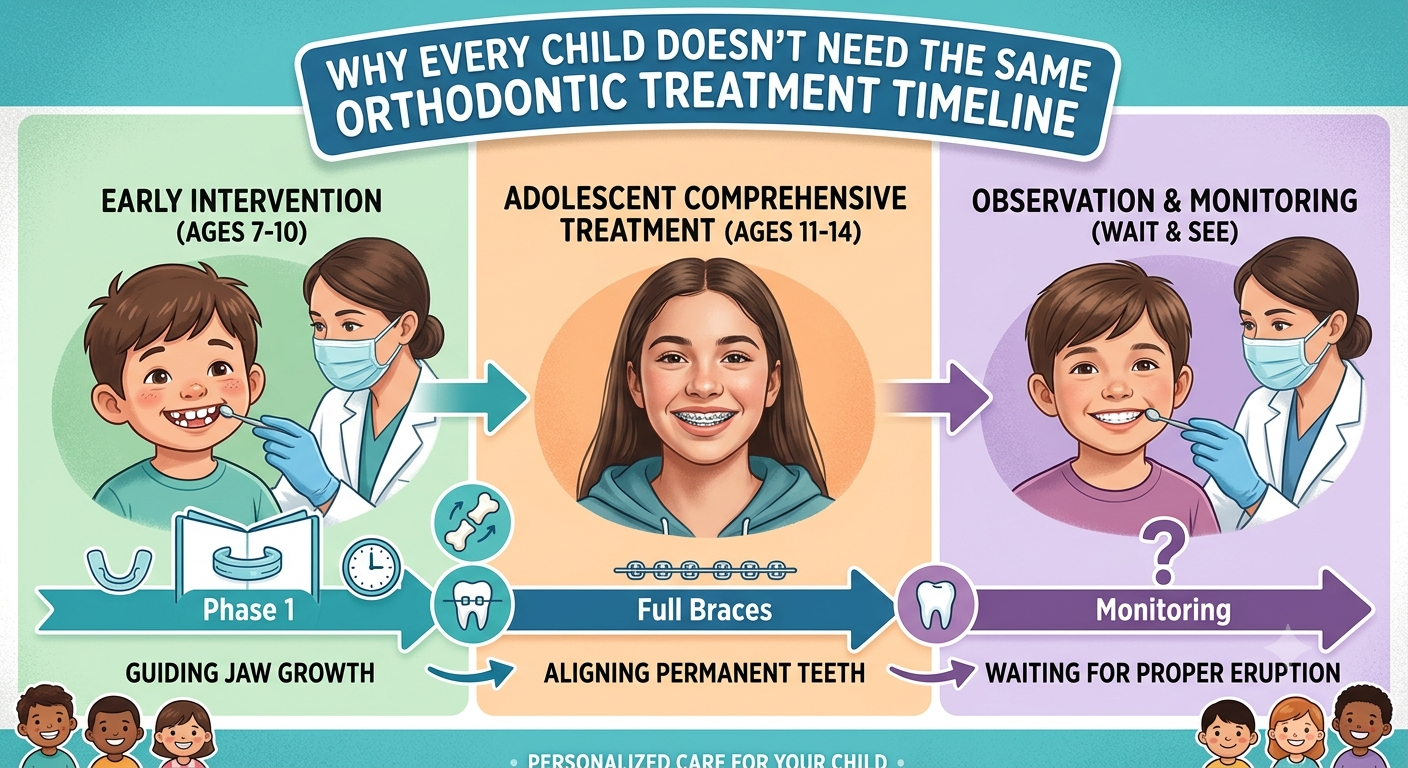
Children experience rapid growth during their early years, making this an ideal time to evaluate jaw development and airway health. Early assessments do not necessarily mean immediate treatment will be required. In many situations, careful monitoring is the most appropriate recommendation until growth reaches a certain stage. However, identifying concerns before they become more severe provides greater flexibility when planning care. Early guidance may reduce the complexity of future treatment while supporting healthier facial development and improved breathing patterns as children mature.
What Families Can Expect During an Evaluation
A pediatric airway orthodontic assessment is designed to gather detailed information about a child’s growth, breathing, and oral development. During the examination, we evaluate facial structure, bite alignment, jaw relationships, dental eruption, tongue posture, and breathing habits. We may also discuss sleep quality, medical history, and any symptoms parents have observed at home. Diagnostic imaging and clinical photographs may be recommended when appropriate to better understand the child’s anatomy. Every recommendation is tailored to the individual because no two children develop in exactly the same way.
Supporting Healthy Growth for the Future
Recognizing early signs of airway related concerns gives families the opportunity to seek professional guidance before developmental patterns become more difficult to address. Children who breathe comfortably, sleep well, and experience healthy jaw development are often better positioned for lifelong oral and overall wellness. At Amini Ortho, we are committed to helping parents understand how orthodontic evaluations can support much more than straight teeth. Through careful assessment, personalized care, and ongoing monitoring, our team strives to provide every child with the healthiest possible foundation for future growth. Choosing an early evaluation today can help create lasting benefits that extend well beyond childhood, making Amini Ortho a trusted partner in your family’s orthodontic journey.