Looking Beyond Tooth Alignment for Long Term Oral Health
Many people believe orthodontic treatment is only about creating straight teeth and a beautiful smile, but the reality is much more comprehensive. Every smile is supported by a complex relationship between the teeth, jaws, facial muscles, and growing bones. Orthodontists carefully evaluate how these structures develop together because facial growth plays a major role in both appearance and oral function. A healthy bite, balanced facial proportions, and proper jaw development often influence long term comfort just as much as straight teeth. Early evaluation allows small concerns to be identified before they become more complicated. At Amini Ortho, our approach focuses on understanding the entire facial structure so every treatment decision supports healthy growth as well as an attractive smile.
Why Facial Growth Matters During Orthodontic Care
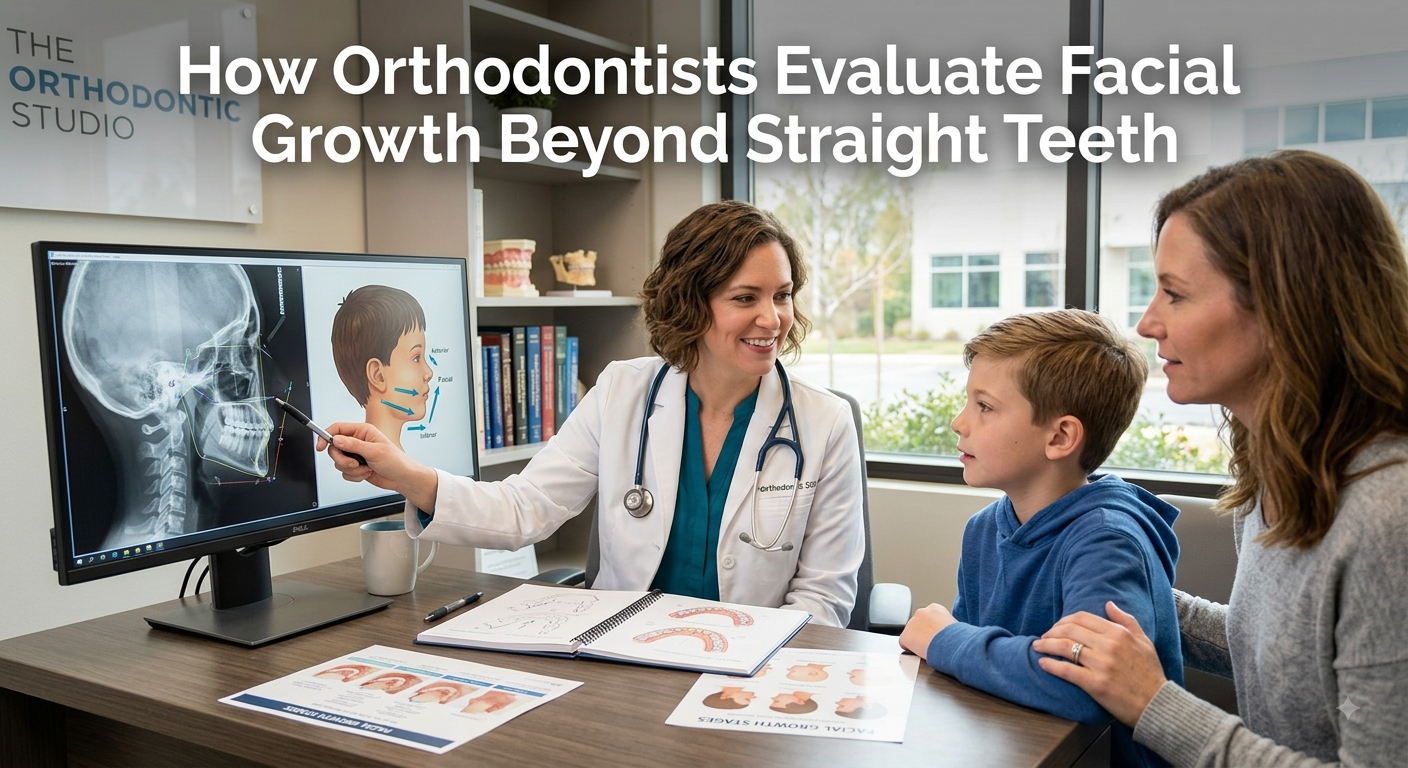
Facial growth continues throughout childhood and adolescence, making these years especially important for orthodontic assessment. The upper jaw, lower jaw, and surrounding facial bones do not always grow at the same speed or in the same direction. Even if teeth appear relatively straight, an imbalance in jaw growth can eventually affect chewing, speech, breathing, and facial harmony. Understanding growth patterns allows orthodontists to predict how a child’s face may develop over time. This information helps determine whether treatment should begin immediately or if waiting for a specific stage of development would produce better results. Evaluating facial growth provides valuable insight that simple tooth alignment alone cannot reveal.
Examining Overall Facial Balance
One of the first things orthodontists evaluate is overall facial balance rather than focusing only on individual teeth. The relationship between the forehead, nose, lips, chin, and jawline provides important clues about skeletal development. Small differences in facial proportions can indicate whether one jaw is growing faster than the other or whether future orthodontic intervention may be beneficial. Symmetry is also carefully assessed because uneven facial growth may influence both appearance and function. These observations are combined with detailed clinical examinations to create a complete understanding of facial development. Looking at the face as a whole helps create treatment plans that support natural facial harmony.
Understanding Jaw Development
Jaw growth is one of the most significant factors influencing orthodontic treatment outcomes. Some children naturally develop a lower jaw that grows more rapidly than the upper jaw, while others experience the opposite pattern. These differences may eventually lead to overbites, underbites, crossbites, or other bite concerns if left untreated. Orthodontists evaluate jaw position, growth direction, and the relationship between both arches before recommending treatment. Understanding skeletal development often allows treatment to work with natural growth rather than against it. This strategy can reduce treatment complexity and improve long term stability.
Evaluating Bite Function Instead of Appearance Alone
A smile may appear attractive while hidden bite problems continue to develop underneath the surface. Orthodontists carefully examine how the upper and lower teeth come together during biting, chewing, and speaking. Functional issues may place unnecessary stress on certain teeth or jaw joints over time. Uneven pressure can also contribute to tooth wear, discomfort, and difficulties with proper chewing. By evaluating both function and appearance, orthodontists can address concerns before they progress into more significant problems. A balanced bite supports healthy teeth, comfortable jaw movement, and better overall oral health.
Assessing Airway and Breathing Patterns
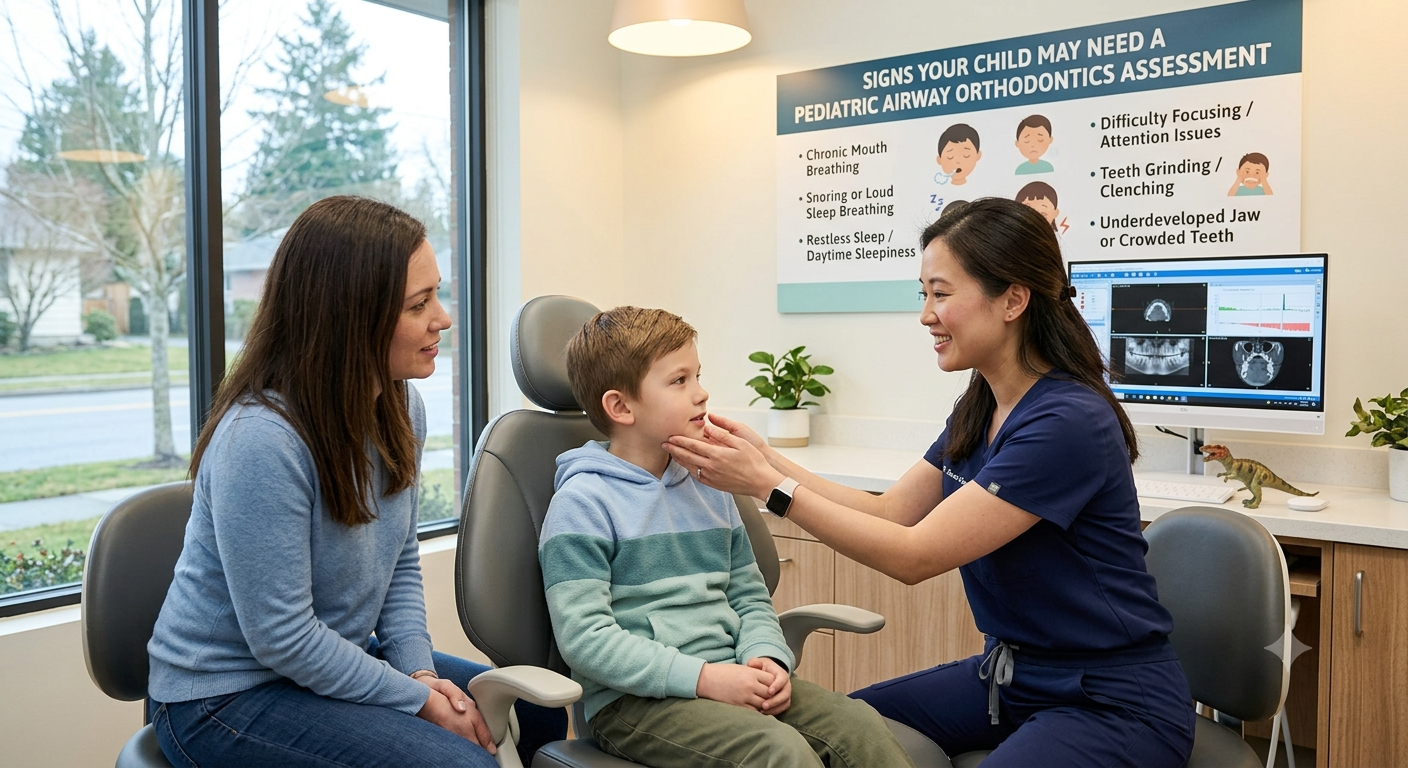
Modern orthodontics increasingly recognizes the connection between facial growth and healthy breathing. The size and position of the jaws can influence airway space, particularly while sleeping. Some patients who experience mouth breathing, snoring, or restless sleep may also show facial growth patterns that deserve closer evaluation. Orthodontists often observe breathing habits because they can affect jaw development, muscle function, and even tooth positioning. Identifying these relationships early allows families to receive appropriate guidance and referrals when necessary. Supporting healthy airway development is an important part of comprehensive orthodontic care rather than simply focusing on cosmetic improvements.
Monitoring Growth Over Time
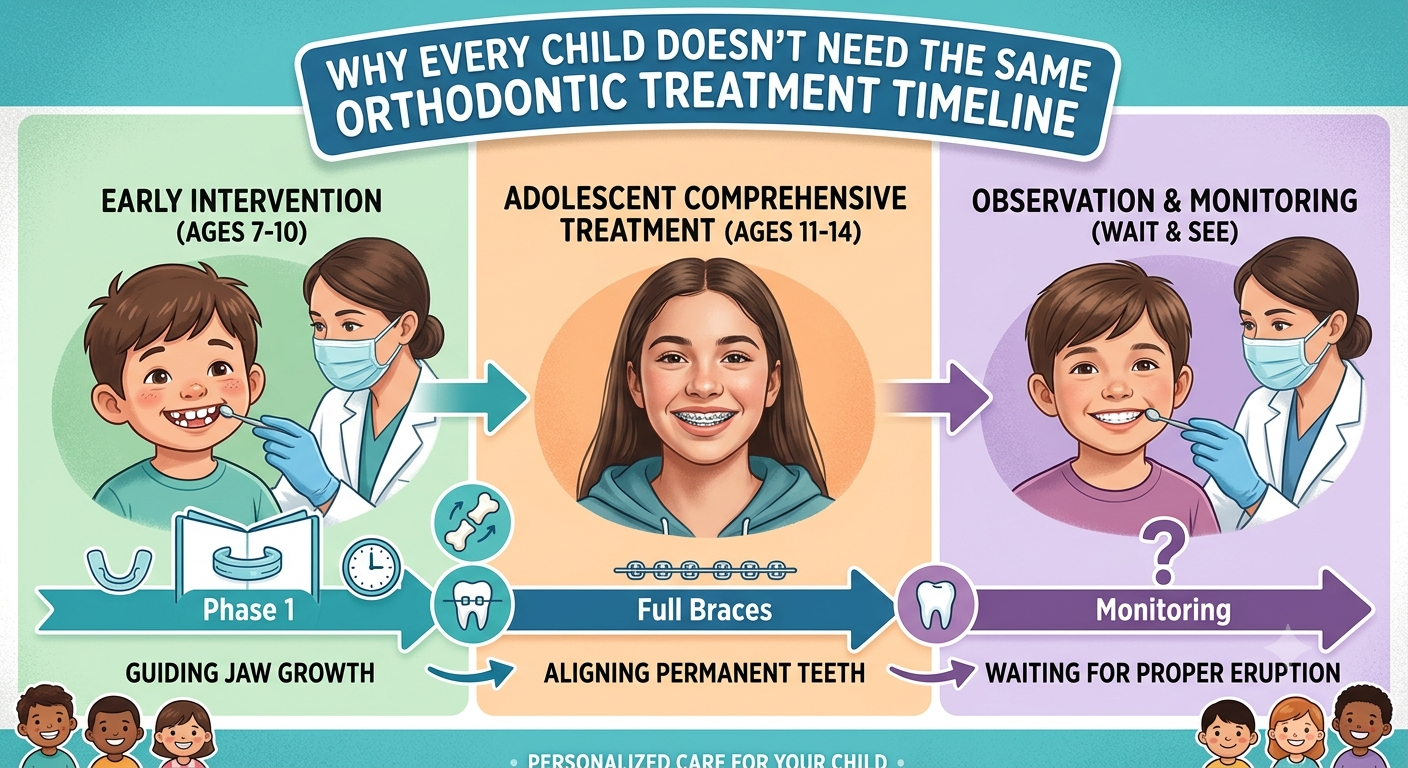
Facial growth is a continuous process rather than a single event, which is why orthodontic evaluations often occur over several years. Children grow at different rates, and major growth changes can happen during short periods. Regular monitoring allows orthodontists to compare changes in jaw position, facial proportions, and tooth eruption over time. This ongoing assessment provides valuable information that cannot always be obtained during a single visit. Tracking development helps determine the ideal timing for braces, aligners, or growth modifying appliances when appropriate. Careful observation often leads to more efficient treatment and better long term outcomes.
The Role of Digital Imaging and Diagnostic Technology
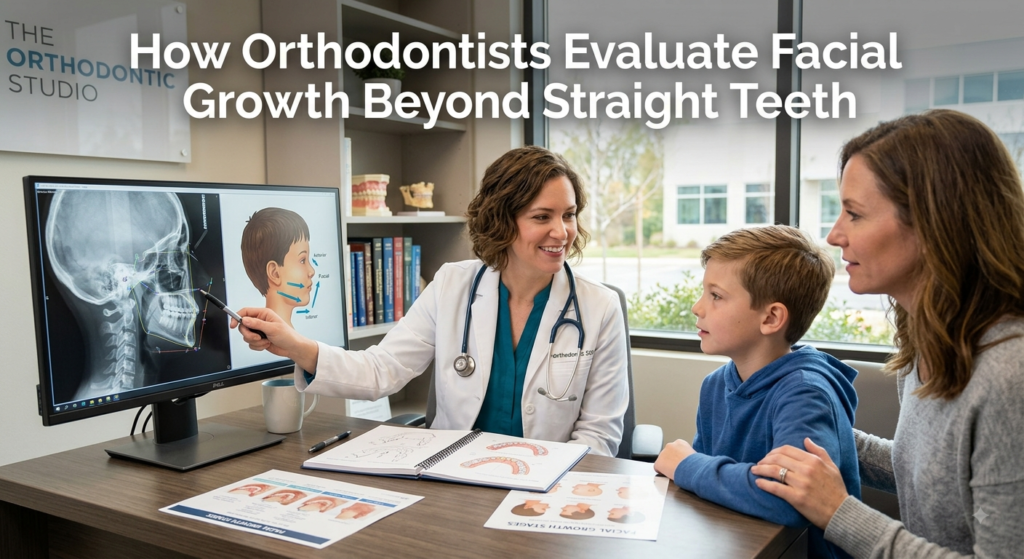
Advanced diagnostic technology has significantly improved the ability to evaluate facial growth with precision. Digital photographs, panoramic images, cephalometric radiographs, and three dimensional imaging provide detailed information about bone structure and jaw relationships. These diagnostic tools allow orthodontists to measure growth patterns instead of relying solely on visual observation. Accurate records also make it easier to compare changes over months and years as facial development continues. Technology supports more personalized treatment planning because every patient’s anatomy is unique. Combining clinical expertise with modern imaging leads to more informed treatment decisions and predictable results.
Considering Genetics and Individual Growth Patterns
Every person’s facial development is influenced by genetics as well as environmental factors. Family history often provides helpful information about expected jaw growth, facial proportions, and bite development. While genetics establish a foundation, habits such as thumb sucking, prolonged pacifier use, mouth breathing, and tongue posture can also influence facial growth. Orthodontists consider all of these factors when evaluating a patient rather than focusing on a single issue. Understanding individual growth patterns helps create realistic treatment expectations and personalized care plans. No two patients develop in exactly the same way, which makes individualized evaluation essential.
Why Early Orthodontic Evaluations Can Make a Difference
Many parents wonder whether they should wait until all permanent teeth have erupted before scheduling an orthodontic consultation. In many situations, earlier evaluations provide valuable information even if immediate treatment is not required. Identifying growth concerns at a younger age allows orthodontists to monitor development and recommend intervention only when the timing is most beneficial. Early assessment can sometimes reduce the need for more complex treatment later by guiding jaw growth while bones are still developing. Families also gain a better understanding of what to expect as permanent teeth continue to emerge. Early evaluation focuses on planning rather than rushing into treatment unnecessarily.
Supporting Both Function and Facial Aesthetics
Orthodontic treatment aims to create results that are both functional and naturally attractive. Straight teeth certainly improve appearance, but facial harmony depends on balanced jaw relationships, proper bite function, and healthy growth patterns. Orthodontists consider how treatment decisions may influence facial appearance not only today but also years into the future. Preserving natural facial characteristics while improving oral health requires careful planning and detailed evaluation. Every recommendation should support comfortable chewing, clear speech, stable bite function, and confident smiles. This comprehensive perspective creates results that remain beneficial long after active treatment has ended.
Comprehensive Orthodontic Care Begins with Understanding Growth
Successful orthodontic treatment begins long before braces or clear aligners are placed. A complete understanding of facial growth allows orthodontists to identify underlying concerns, choose the right timing for treatment, and develop solutions that support lifelong oral health. Looking beyond straight teeth provides a more complete picture of how the face, jaws, and bite work together throughout growth and development. This broader perspective helps achieve results that are not only visually appealing but also functional and stable for years to come. At Amini Ortho, we believe every patient deserves an individualized evaluation that considers facial growth, jaw development, and overall oral function as part of comprehensive orthodontic care. When you understand that orthodontics involves much more than simply aligning teeth, you can make informed decisions that support a healthier smile and balanced facial development for the future.