Why Orthodontic Care Plays a Vital Role in Cleft Treatment
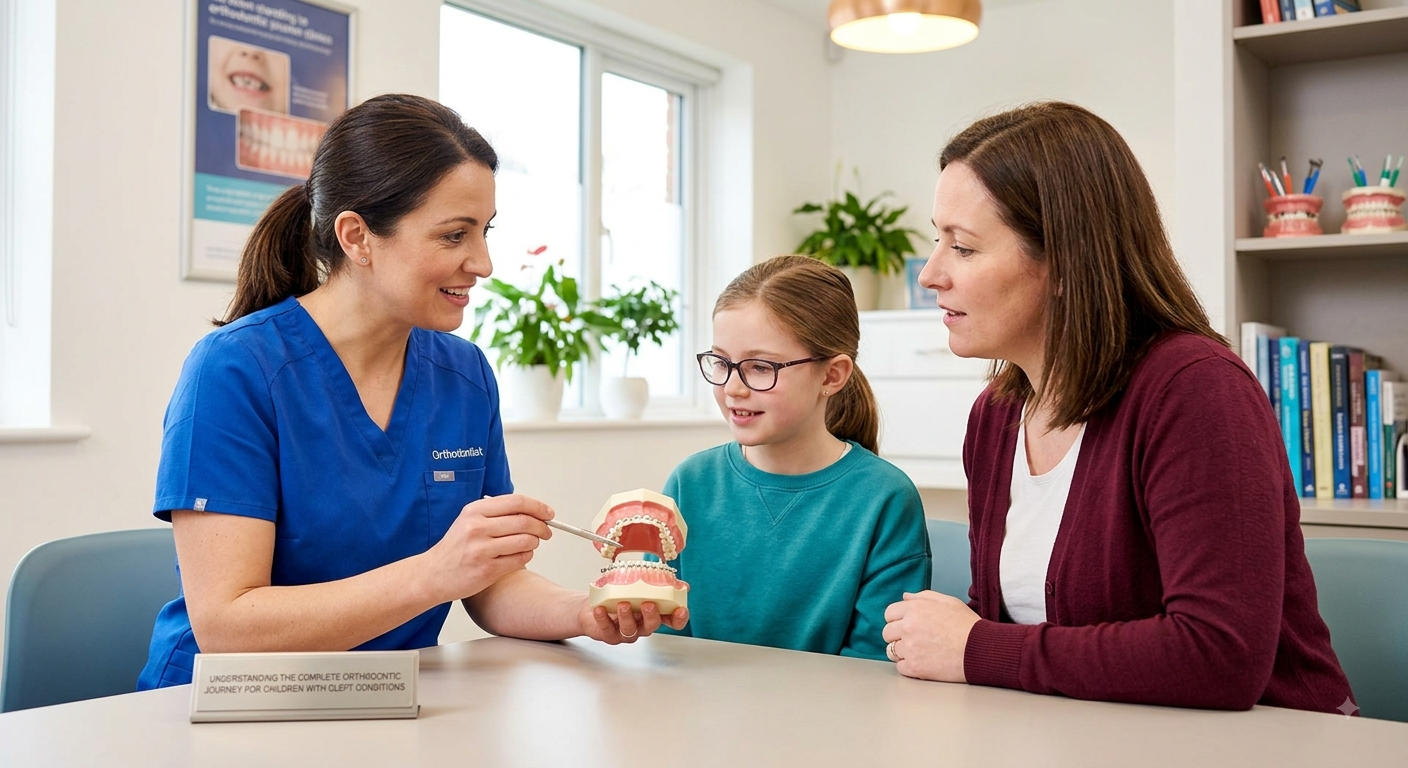
A child born with a cleft lip, cleft palate, or both often requires care from several healthcare professionals throughout different stages of growth. Orthodontic treatment is one of the most important parts of this long term process because it helps guide proper jaw development, improves tooth alignment, and supports healthy oral function. Every child follows a unique path, which means treatment plans are carefully designed around individual needs rather than a standard timeline. Parents often feel overwhelmed when they first hear about the number of appointments and procedures involved, but understanding the overall journey can make the experience far less stressful. With the right planning and coordinated care, children can achieve healthier smiles, better speech, improved chewing ability, and greater confidence as they grow.
Understanding How Cleft Conditions Affect Dental Development
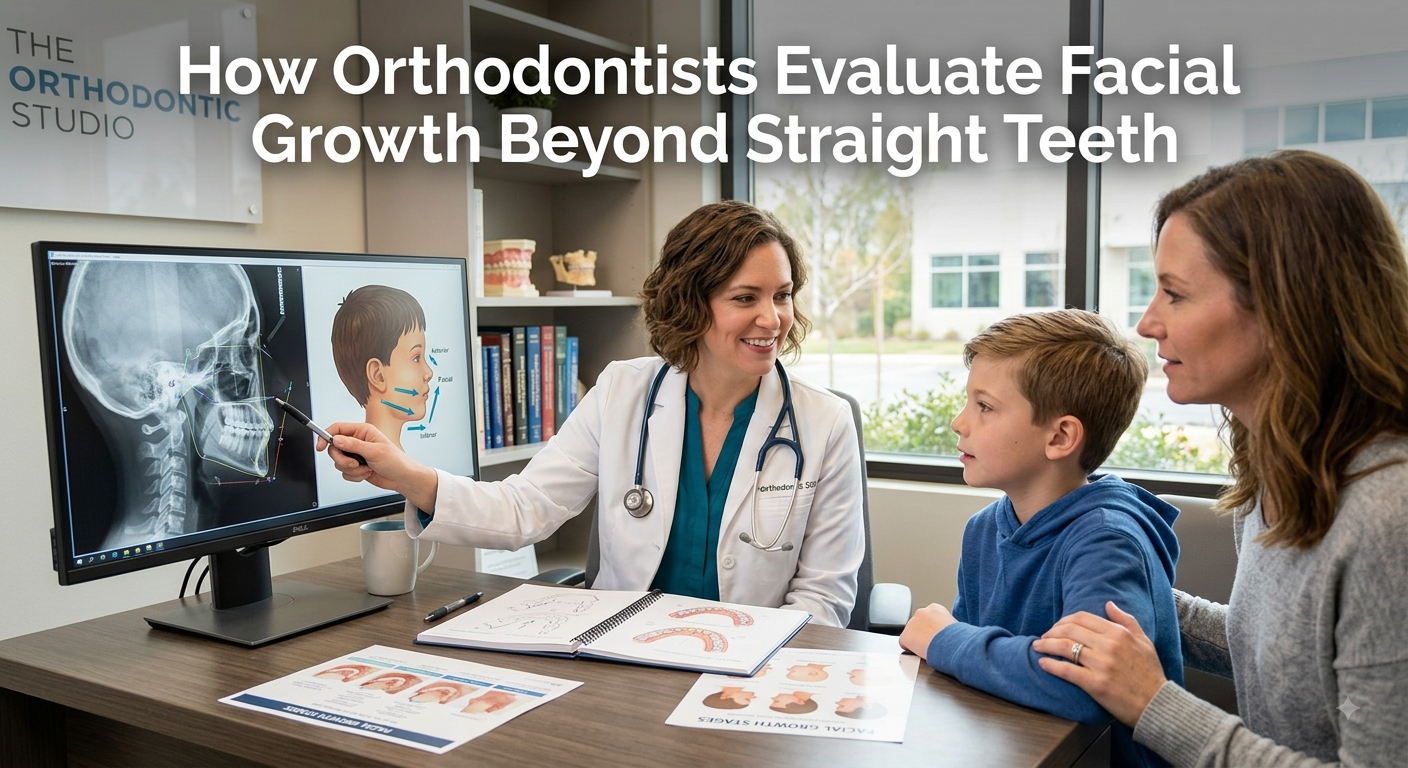
Children with cleft conditions often experience dental challenges that extend beyond the visible opening in the lip or palate. Teeth may erupt in unusual positions, some teeth may be missing entirely, while others can become impacted or grow outside their normal alignment. The upper jaw may also develop differently from the lower jaw, leading to bite problems that affect chewing and facial balance. These developmental differences usually become more noticeable as children grow and their permanent teeth begin to emerge. Since facial growth continues throughout childhood and adolescence, orthodontic treatment must adapt to these changes over time. Early monitoring allows orthodontists to identify potential concerns before they become more difficult to correct.
The Importance of Early Orthodontic Evaluations
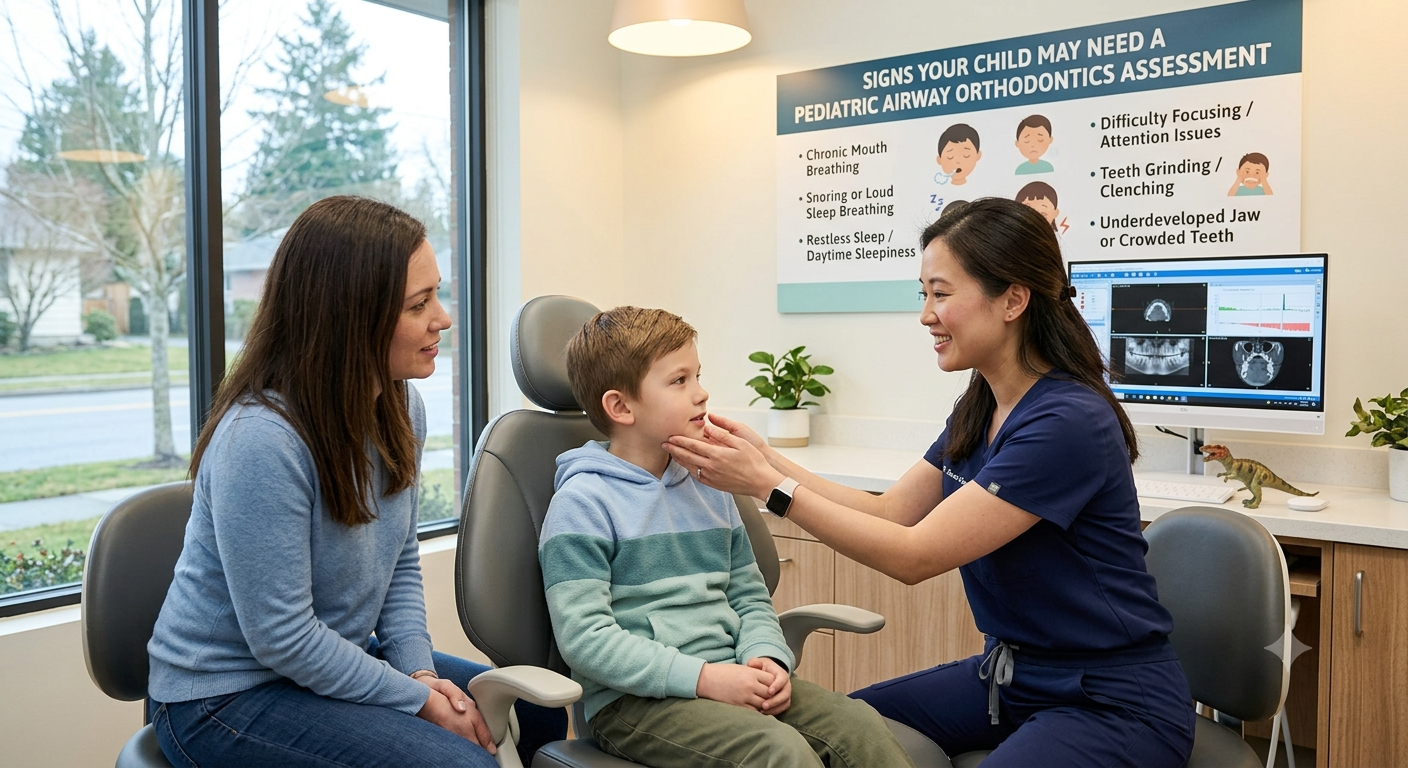
Early orthodontic assessments provide valuable information about how a child’s teeth and jaws are developing. Even when braces are still years away, regular evaluations help identify concerns that may require early intervention. Monitoring growth allows orthodontists to determine the ideal timing for each stage of treatment rather than reacting after problems become more severe. Parents often assume orthodontic care only begins when permanent teeth appear, but children with cleft conditions usually benefit from much earlier supervision. These appointments also give families the opportunity to ask questions, understand future treatment stages, and become familiar with the care process. Building this relationship early helps children feel more comfortable during future orthodontic procedures.
How the Multidisciplinary Team Works Together
Successful cleft treatment depends on close collaboration between several healthcare specialists who focus on different aspects of a child’s development. Surgeons, orthodontists, pediatric dentists, speech pathologists, audiologists, and other professionals work together to coordinate care according to each child’s changing needs. Every treatment decision considers not only the position of the teeth but also speech development, facial growth, nutrition, breathing, and overall health. Communication among specialists ensures that each procedure supports future stages of treatment instead of creating unnecessary complications. Families benefit from having a coordinated approach because appointments, surgeries, and orthodontic care can be timed more effectively. This teamwork creates a smoother journey while helping children achieve the best possible functional and aesthetic outcomes.
Preparing the Mouth Before Bone Grafting
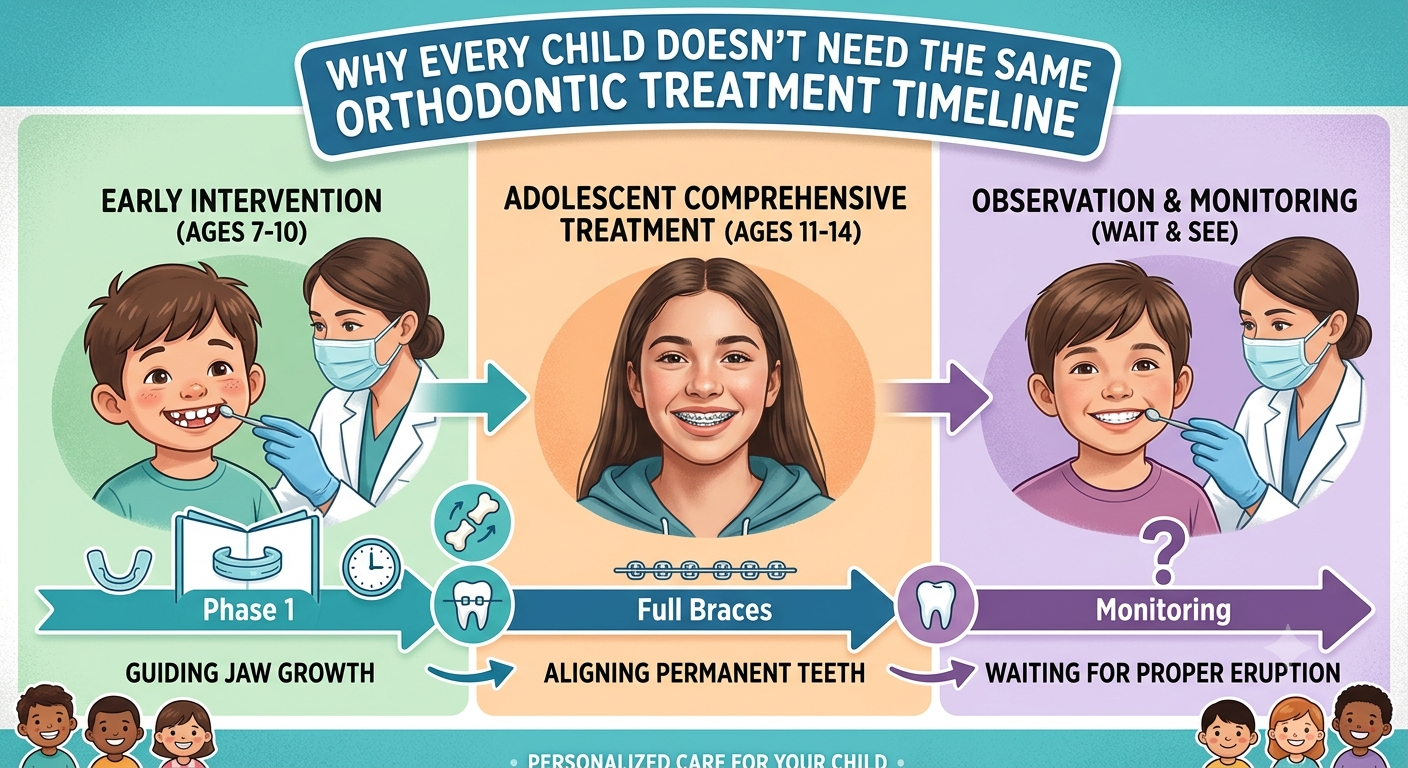
Many children with cleft conditions require an alveolar bone graft to strengthen the gum and jaw area where the cleft affects the bone. Before this procedure, orthodontic treatment is often needed to create enough space for the graft and position nearby teeth appropriately. Teeth that are crowded or improperly aligned can interfere with surgical access or reduce the long term success of the graft. Careful planning ensures the surrounding structures are ready to support healthy bone healing after surgery. This preparation stage may involve expanders or other orthodontic appliances depending on each child’s specific needs. Timing remains extremely important because treatment must align with both dental development and surgical planning.
The Role of Palatal Expansion
Many children with cleft palate develop a narrow upper jaw, making it difficult for the upper and lower teeth to fit together correctly. Palatal expansion gradually widens the upper jaw using specially designed orthodontic appliances that encourage controlled bone movement during growth. Creating additional space not only improves the bite but also provides room for permanent teeth to erupt more naturally. Expansion can also support future surgical procedures by improving access and preparing the jaw for bone grafting when necessary. Since every child develops differently, the timing and amount of expansion are determined through careful evaluation rather than following a fixed schedule. Close monitoring throughout treatment ensures the expansion progresses safely and effectively.
Managing Tooth Eruption and Alignment
As permanent teeth begin to emerge, orthodontic treatment becomes increasingly focused on guiding them into healthy positions. Children with cleft conditions often experience delayed eruption, extra teeth, missing teeth, or teeth that develop in unusual locations. These situations require careful monitoring because every movement can influence future treatment options. Orthodontic appliances may be used to guide erupting teeth, close spaces, or create room where future restorative treatment may be needed. Treatment decisions always consider how facial growth will continue over the coming years. Careful planning during this stage helps create a healthier foundation for later orthodontic and restorative procedures.
Braces During the Adolescent Years
For many children, comprehensive braces become an important stage during adolescence after earlier orthodontic and surgical treatments have been completed. Braces help align the teeth, improve the bite, and create a balanced smile while supporting proper oral function. Since children with cleft conditions often have more complex dental anatomy, treatment may take longer than traditional orthodontic cases. Adjustments are carefully planned to protect previous surgical work while continuing to improve alignment and jaw relationships. Regular appointments allow orthodontists to monitor progress and make gradual changes that support long term stability. Throughout this stage, maintaining excellent oral hygiene becomes especially important to reduce the risk of tooth decay and gum problems.
When Additional Jaw Surgery May Be Recommended
Some children continue to experience significant differences in jaw growth despite earlier orthodontic treatment and bone grafting. In these situations, orthognathic surgery may be recommended once facial growth has finished. This procedure repositions the jaws to improve bite function, facial balance, and overall stability. Orthodontic treatment before and after surgery ensures the teeth fit together correctly once the jaws have been repositioned. Not every child with a cleft condition will require jaw surgery, and recommendations depend on individual growth patterns rather than diagnosis alone. Thorough evaluation and detailed planning allow families to understand the expected benefits and treatment timeline before making decisions.
Supporting Speech, Function, and Confidence
Orthodontic treatment does far more than improve appearance because properly aligned teeth contribute to clearer speech, more efficient chewing, and healthier jaw function. Children who experience improvements in these areas often develop greater confidence in school, social settings, and everyday activities. As treatment progresses, many families notice positive changes in both physical function and emotional wellbeing. Better oral health also supports easier brushing and flossing, reducing future dental complications. Since every milestone builds upon previous treatment, consistent follow up appointments remain essential throughout childhood and adolescence. Long term success depends on maintaining healthy habits and continuing professional monitoring as development continues.
Helping Parents Navigate Every Stage with Confidence
Parents often worry about the length and complexity of the orthodontic journey, but understanding each phase helps make the process more manageable. Knowing what to expect allows families to prepare for upcoming treatments and make informed decisions with greater confidence. Open communication between parents, orthodontists, surgeons, and other specialists creates a supportive environment where questions are welcomed and concerns are addressed promptly. Every stage has a specific purpose that contributes to healthier oral development and improved quality of life. While the journey requires patience, each step moves children closer to stronger function, healthier smiles, and greater self confidence. At Amini Ortho, our team understands the unique challenges faced by children with cleft conditions, and we are committed to providing compassionate orthodontic care that supports every stage of their growth while working closely with the wider cleft care team to achieve the best possible long term outcomes.