Why Post-Treatment Retainers Are Just as Important as Braces
A beautiful, straight smile is often the result of months or even years of orthodontic treatment. Whether you have worn traditional braces or clear aligners, reaching the end of treatment is an exciting milestone. Many patients believe that once the braces come off, their orthodontic journey is complete. However, there is one critical step that plays a major role in preserving those results for years to come: wearing retainers.
At Amini Ortho, we emphasize that retainers are not an optional part of treatment. They are an essential tool that helps protect the investment of time, effort, and resources that went into creating a healthy and aligned smile. Understanding the importance of retainers can help patients maintain their results and avoid the disappointment of shifting teeth.
Why Teeth Move After Braces
Many people are surprised to learn that teeth naturally have a tendency to move throughout life. During orthodontic treatment, braces apply controlled pressure to guide teeth into their ideal positions. Once the braces are removed, the surrounding bone, gums, and ligaments need time to stabilize around the newly aligned teeth.
Without a retainer, teeth may gradually drift back toward their original positions. This process is known as orthodontic relapse. Even minor movement can affect the appearance of your smile and, in some cases, your bite alignment.
Retainers serve as a safeguard during this stabilization period and continue to help maintain alignment long after treatment is complete.
The Role of Retainers in Protecting Your Smile
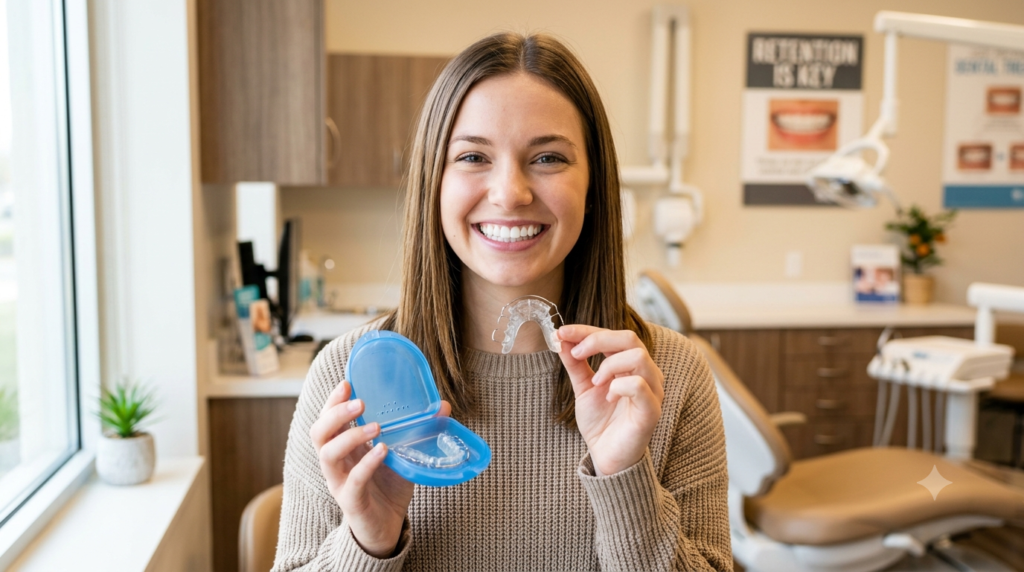
Retainers are custom-made appliances designed to keep teeth in their corrected positions. They provide gentle support that prevents unwanted movement while the mouth adapts to its new alignment.
Orthodontic treatment creates a healthier and more attractive smile, but retainers help ensure those improvements last. Without proper retention, patients may experience crowding, spacing issues, or changes in bite function over time.
By wearing retainers as instructed, patients can enjoy the benefits of their orthodontic treatment for many years.
Understanding Orthodontic Relapse
Orthodontic relapse occurs when teeth begin moving after treatment has ended. This movement can happen gradually and may not be immediately noticeable.
Several factors contribute to relapse. Natural aging, changes in jaw structure, pressure from chewing, and habits such as teeth grinding can all influence tooth movement. Additionally, the tissues surrounding the teeth have memory and may attempt to pull teeth back toward their original positions.
Retainers counteract these forces by holding teeth steady and helping maintain the alignment achieved through treatment.
Different Types of Retainers
Orthodontists may recommend different types of retainers based on a patient’s individual needs.
Removable retainers are commonly used because they are easy to clean and convenient to wear. These retainers are typically made from clear plastic or a combination of acrylic and metal components.
Fixed retainers consist of a thin wire bonded behind the teeth, usually on the lower front teeth. Because they remain in place at all times, they provide continuous support and eliminate concerns about forgetting to wear them.
Each type has advantages, and the right choice depends on factors such as treatment history, lifestyle, and long-term retention needs.
The Importance of Following Retainer Instructions
Receiving a retainer is only part of the process. Consistent wear is what makes retention successful.
Immediately after braces are removed, patients are often instructed to wear retainers for most of the day and night. Over time, the wear schedule may be adjusted based on the orthodontist’s recommendations.
Skipping retainer use for extended periods can allow teeth to shift. Even small movements may make a retainer feel tight or uncomfortable when worn again. In some situations, significant shifting may require additional orthodontic treatment to correct.
Following instructions carefully is one of the simplest ways to protect the results achieved during treatment.
Retainers Save Time and Money
Orthodontic treatment represents a significant investment in oral health and confidence. Retainers help protect that investment by preventing the need for future corrective procedures.
When patients neglect retainer wear, teeth may gradually become misaligned. Correcting these issues can require additional orthodontic treatment, resulting in extra time, expense, and inconvenience.
Regular retainer use is a cost-effective way to preserve results and avoid unnecessary treatment in the future.
Maintaining Your Retainer
Proper care is essential for ensuring retainers remain effective and comfortable.
Removable retainers should be cleaned regularly according to professional instructions. They should also be stored safely when not in use to prevent damage or loss.
Patients with fixed retainers should maintain excellent oral hygiene and attend routine dental visits to ensure the appliance remains secure and clean.
Routine checkups allow orthodontic professionals to monitor retention and address any concerns before they become larger issues.
Long-Term Benefits of Retainer Wear
The benefits of retainers extend beyond maintaining straight teeth. Proper alignment can contribute to improved oral hygiene, healthier gums, better bite function, and enhanced confidence.
A stable smile can make daily activities such as eating, speaking, and cleaning teeth easier and more comfortable. Maintaining alignment also helps preserve the aesthetic improvements achieved through orthodontic treatment.
When patients commit to long-term retainer wear, they significantly increase the likelihood of enjoying lasting orthodontic results.
Common Myths About Retainers
Some patients assume that retainers are only necessary for a few months after braces. In reality, teeth can continue shifting throughout life. Long-term retainer use is often recommended to maintain optimal alignment.
Another common misconception is that minor tooth movement is harmless. While small shifts may seem insignificant at first, they can gradually affect the overall appearance and function of the smile.
Understanding these realities helps patients appreciate why retention remains an important part of orthodontic care.
Completing orthodontic treatment is an exciting achievement, but maintaining those results requires ongoing commitment. Retainers play a vital role in preventing tooth movement, protecting alignment, and preserving the health and appearance of your smile.
At Amini Ortho, we believe that successful orthodontic treatment does not end when braces come off. Retainers are a crucial part of ensuring that your hard-earned results last for years to come. By following professional recommendations and making retainer wear a regular habit, patients can enjoy the confidence and benefits of a beautifully aligned smile well into the future.
If you have questions about retainers or your orthodontic treatment plan, Amini Ortho is here to help guide you every step of the way.