The Role of AI and Digital Imaging in Modern Orthodontics
Orthodontic care has advanced significantly over the last decade, thanks to innovations in digital technology. Traditional methods that once relied heavily on physical impressions, manual measurements, and visual estimations have evolved into highly precise digital workflows. Among the most impactful developments are artificial intelligence and advanced digital imaging, which have transformed how orthodontists diagnose, plan, and monitor treatment. These technologies provide greater accuracy while making the overall experience more comfortable and efficient for patients.
At Amini Ortho, we embrace modern technology because it helps us deliver personalized orthodontic care with greater precision. By combining professional expertise with advanced digital tools, we can better understand each patient’s unique needs and create treatment plans that support healthy, confident smiles.
Understanding Digital Imaging in Orthodontics
Digital imaging refers to the use of advanced scanning and imaging technologies that create detailed visual representations of a patient’s teeth, jaws, and facial structures. Instead of relying solely on traditional impressions or standard X rays, orthodontists can now capture highly accurate digital records within minutes.
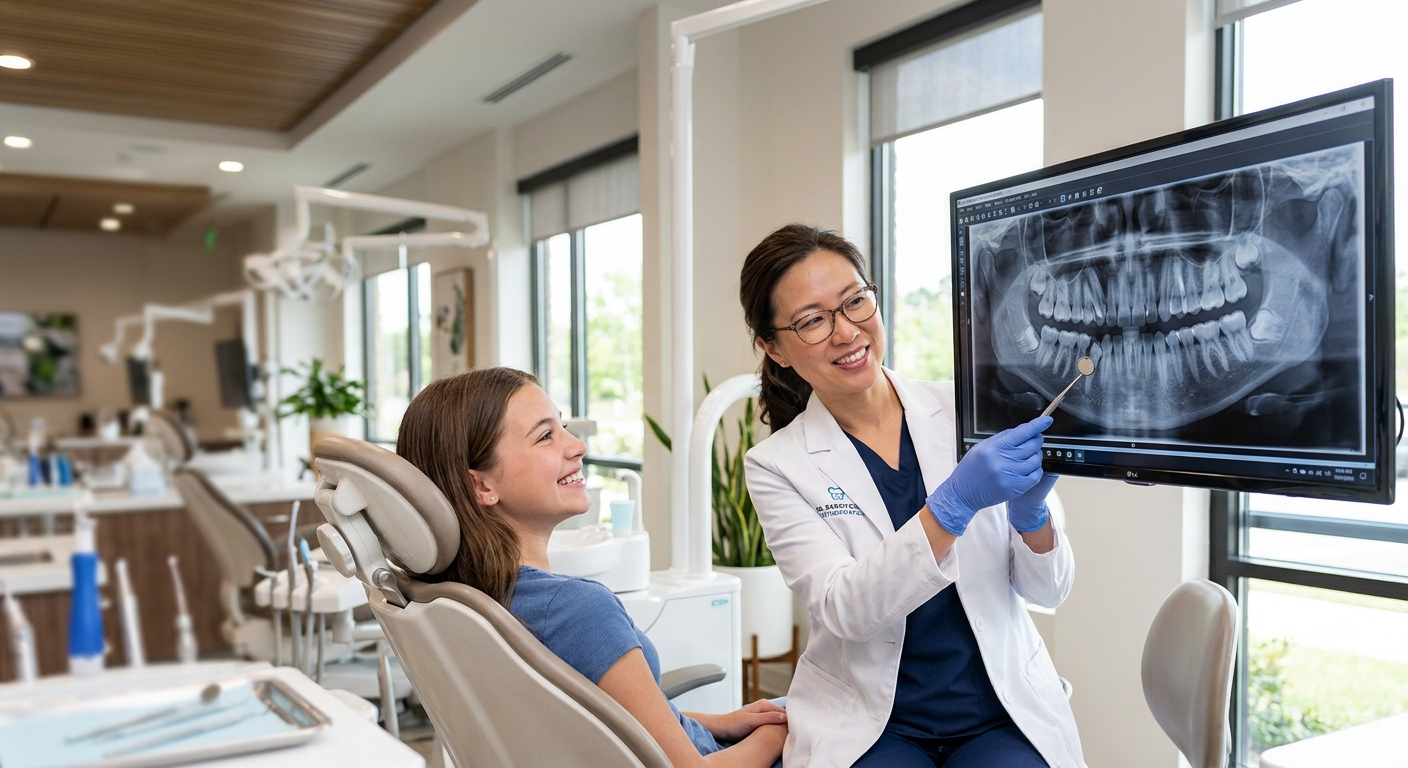
These digital images provide a comprehensive view of oral structures from multiple angles. High resolution scans allow orthodontists to identify alignment issues, spacing concerns, bite irregularities, and jaw relationships that may not be as apparent through conventional examination methods. The increased clarity supports more informed clinical decisions and reduces the possibility of overlooking important details.
Patients also benefit from a more comfortable experience since many digital scanners eliminate the need for messy impression materials that often cause discomfort.
How Artificial Intelligence Supports Orthodontic Care
Artificial intelligence has become an important tool that enhances the orthodontic planning process. Rather than replacing the expertise of orthodontists, AI serves as an advanced assistant that helps analyze large amounts of clinical data efficiently.
AI systems can evaluate digital scans, identify patterns, and assist with measuring tooth positions, spacing, and movement possibilities. These technologies help orthodontists organize complex information while maintaining consistency during treatment planning.
Human expertise remains the foundation of successful orthodontic treatment. AI simply provides additional insights that help clinicians make informed decisions based on highly detailed digital information. The combination of advanced technology and professional experience creates a stronger foundation for individualized care.
More Accurate Diagnoses
One of the greatest advantages of combining AI with digital imaging is improved diagnostic accuracy. Orthodontic treatment depends on understanding the exact relationship between teeth, jaws, facial balance, and bite alignment.
Digital scans generate detailed three dimensional models that can reveal even subtle irregularities. AI software assists by analyzing these models quickly and consistently, helping orthodontists identify problems that require attention.
Accurate diagnosis is essential because every stage of treatment depends on the initial assessment. Better information at the beginning often leads to more predictable treatment outcomes throughout the orthodontic journey.
Personalized Treatment Planning
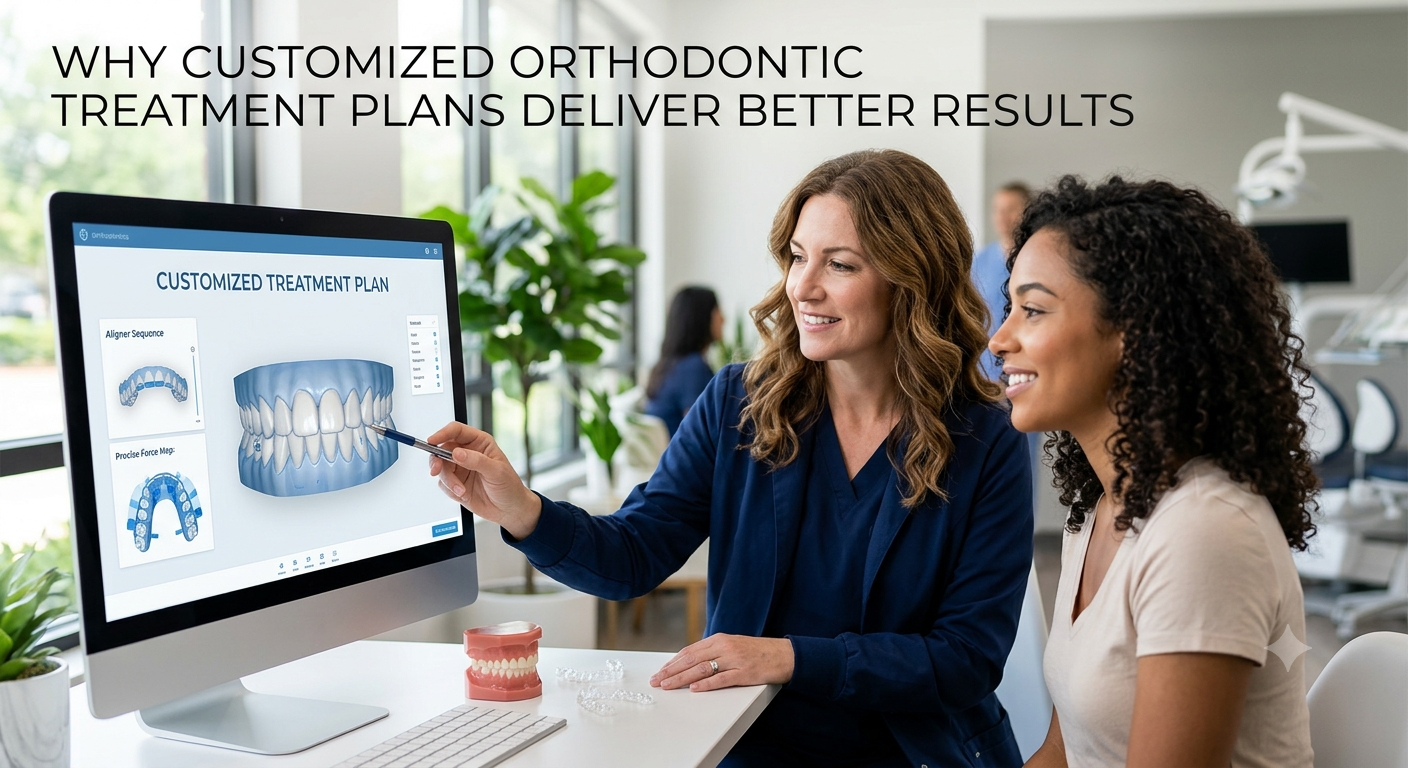
Every patient has different orthodontic needs. Factors such as age, bone structure, tooth positioning, jaw development, and oral health all influence treatment decisions. Digital imaging provides comprehensive information that allows treatment plans to be tailored specifically for each individual.
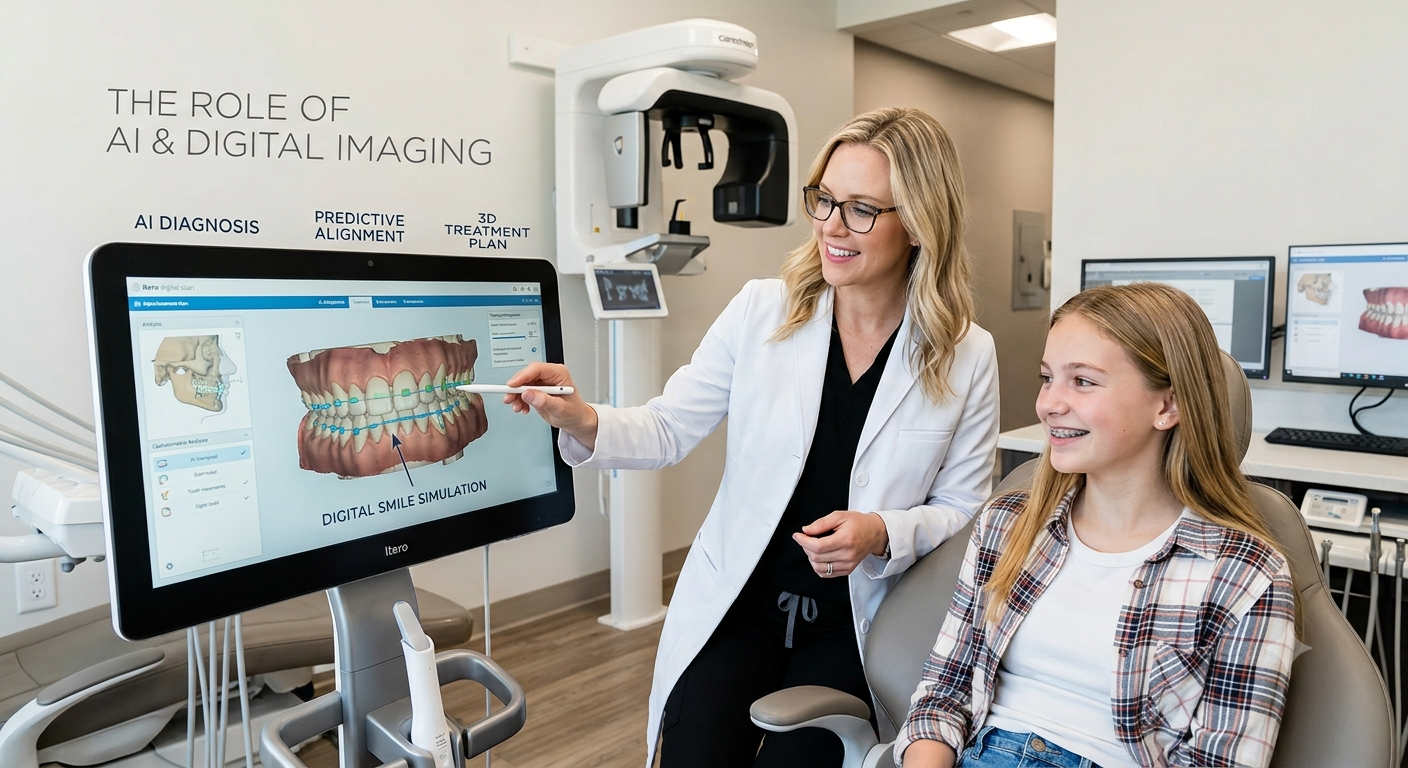
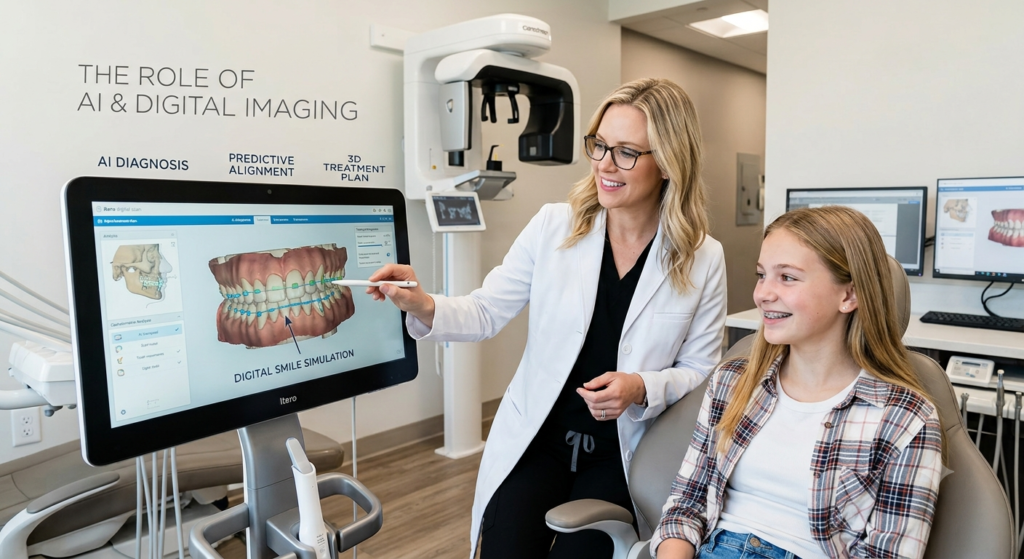
Using advanced software, orthodontists can simulate various treatment approaches before beginning active care. These digital simulations allow us to compare different options and determine which method is most appropriate for achieving the desired results.
Artificial intelligence further enhances this planning process by organizing clinical data and supporting detailed analysis. The result is a customized treatment strategy designed around the patient’s specific anatomy and treatment goals.
Improved Precision for Braces and Clear Aligners
Whether a patient chooses traditional braces or clear aligners, precision plays a critical role in successful treatment. Even small differences in tooth positioning can influence the effectiveness of orthodontic appliances.
Digital scans create highly accurate models that support precise appliance design and placement. For clear aligners, this level of accuracy helps ensure that each aligner fits properly and guides teeth according to the planned sequence.
When braces are recommended, digital planning can also assist with bracket positioning and treatment sequencing, contributing to efficient tooth movement while minimizing unnecessary adjustments.
Enhanced Patient Communication
Many patients find it difficult to understand orthodontic conditions when explanations rely only on verbal descriptions or traditional X rays. Digital imaging makes communication much easier by providing detailed visual representations of the patient’s teeth and jaw structures.
Three dimensional images allow patients to clearly see alignment concerns and understand why treatment is recommended. Digital treatment simulations can also demonstrate expected tooth movement over time, helping patients develop realistic expectations.
When patients better understand their treatment, they often feel more confident and engaged throughout the process.
Faster and More Efficient Appointments
Digital technology has streamlined many aspects of orthodontic care. Traditional impressions required multiple steps, additional materials, and processing time. Digital scanners capture detailed images quickly while reducing patient discomfort.
Artificial intelligence also supports workflow efficiency by assisting with image analysis, record organization, and treatment planning. This allows orthodontists to spend more time discussing care with patients rather than performing repetitive administrative tasks.
Although every treatment plan remains unique, improved efficiency can contribute to smoother appointments and a more convenient patient experience.
Better Monitoring Throughout Treatment
Orthodontic treatment often extends over many months, making regular monitoring essential. Digital imaging enables orthodontists to compare current scans with previous records and accurately evaluate treatment progress.
AI supported software can help identify changes in tooth movement, allowing orthodontists to determine whether treatment is progressing as expected. If adjustments become necessary, digital records provide valuable information for making timely modifications.
Continuous monitoring helps ensure that treatment remains aligned with the original goals while maintaining high standards of care.
Reduced Need for Physical Impressions
Many patients remember traditional dental impressions as one of the least enjoyable parts of orthodontic care. The trays filled with impression material often caused discomfort or gagging.
Modern intraoral scanners have significantly improved this experience. These devices capture thousands of images within seconds, creating highly detailed digital models without the need for impression materials.
The digital files can be stored securely, shared with dental laboratories, and used throughout treatment without requiring multiple physical impressions.
Supporting Predictable Treatment Outcomes
Orthodontic treatment involves careful planning and gradual tooth movement over time. Digital imaging combined with AI allows orthodontists to evaluate treatment from multiple perspectives before appliances are placed.
Predictive software can simulate various movement sequences and estimate how teeth may respond during treatment. While biological factors always influence individual outcomes, advanced planning helps reduce uncertainty and supports more predictable results.
This comprehensive approach enables orthodontists to make thoughtful adjustments throughout treatment whenever necessary.
Improved Collaboration Among Dental Professionals
Some orthodontic cases require collaboration with general dentists, oral surgeons, periodontists, or other specialists. Digital imaging simplifies communication by providing clear visual records that can be shared securely among members of the patient’s healthcare team.
Everyone involved in treatment can review the same high quality digital information, making interdisciplinary planning more efficient and coordinated. This collaborative approach supports comprehensive care, particularly for patients with complex dental needs.
Greater Comfort for Patients
Modern orthodontic technology focuses not only on precision but also on improving patient comfort. Digital scanning is typically faster, cleaner, and more comfortable than traditional impression techniques.
Patients also benefit from shorter appointments, improved communication, and treatment plans that are based on highly detailed clinical information. These improvements contribute to a more positive overall orthodontic experience from consultation through completion of treatment.
At Amini Ortho, we believe that investing in advanced technology helps us provide care that prioritizes both comfort and clinical excellence.
The Future of AI in Orthodontics
Artificial intelligence continues to evolve rapidly, bringing new opportunities for orthodontic care. Future developments may include even more advanced treatment simulations, improved predictive modeling, enhanced remote monitoring, and increasingly sophisticated diagnostic support.
Despite these technological advancements, successful orthodontic treatment will always depend on the knowledge, judgment, and experience of skilled orthodontic professionals. Technology serves as a valuable tool, but personalized clinical expertise remains essential for achieving excellent results.
As innovations continue to emerge, orthodontic practices that integrate advanced digital solutions with individualized patient care will be well positioned to provide exceptional treatment experiences.
Why Technology and Expertise Work Best Together
The most effective orthodontic care combines advanced technology with professional clinical judgment. Digital imaging provides exceptional detail, while AI helps organize and analyze complex information. However, interpreting that information, understanding patient goals, and making treatment decisions require the expertise of experienced orthodontists.
At Amini Ortho, we combine modern digital imaging, artificial intelligence supported technology, and personalized care to create treatment plans tailored to each patient’s unique smile. By integrating innovation with clinical experience, we strive to provide accurate diagnoses, efficient treatment, improved comfort, and outstanding orthodontic results that support healthy smiles for years to come.