Dental Braces in San Antonio and the Science of Predictable Tooth Movement
Orthodontic treatment has evolved far beyond the traditional idea of simply straightening teeth. Today, dental braces represent a sophisticated blend of biomechanics, diagnostics, and long term oral health planning. When individuals seek dental braces in San Antonio, they are not only pursuing cosmetic improvement but also investing in a structured treatment process that supports healthy jaw alignment, balanced bite function, and sustainable dental stability.
At our practice, we approach orthodontics as a discipline grounded in clinical precision and individualized treatment design. Each patient’s dental anatomy, bite dynamics, and facial structure require careful evaluation before a treatment plan is developed. This method ensures that braces serve as a corrective system that works in harmony with the biology of tooth movement.
Understanding the Biomechanics Behind Dental Braces
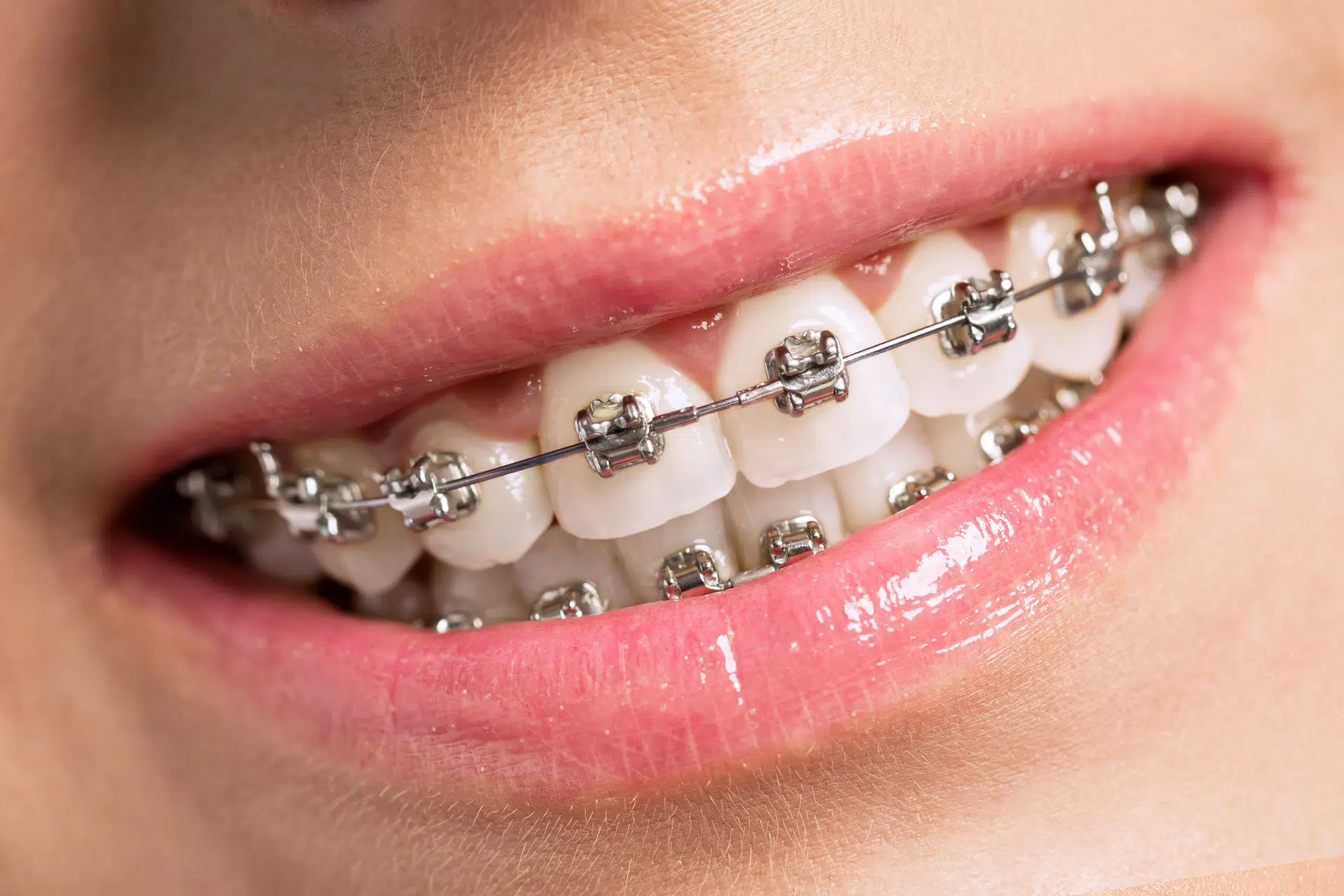
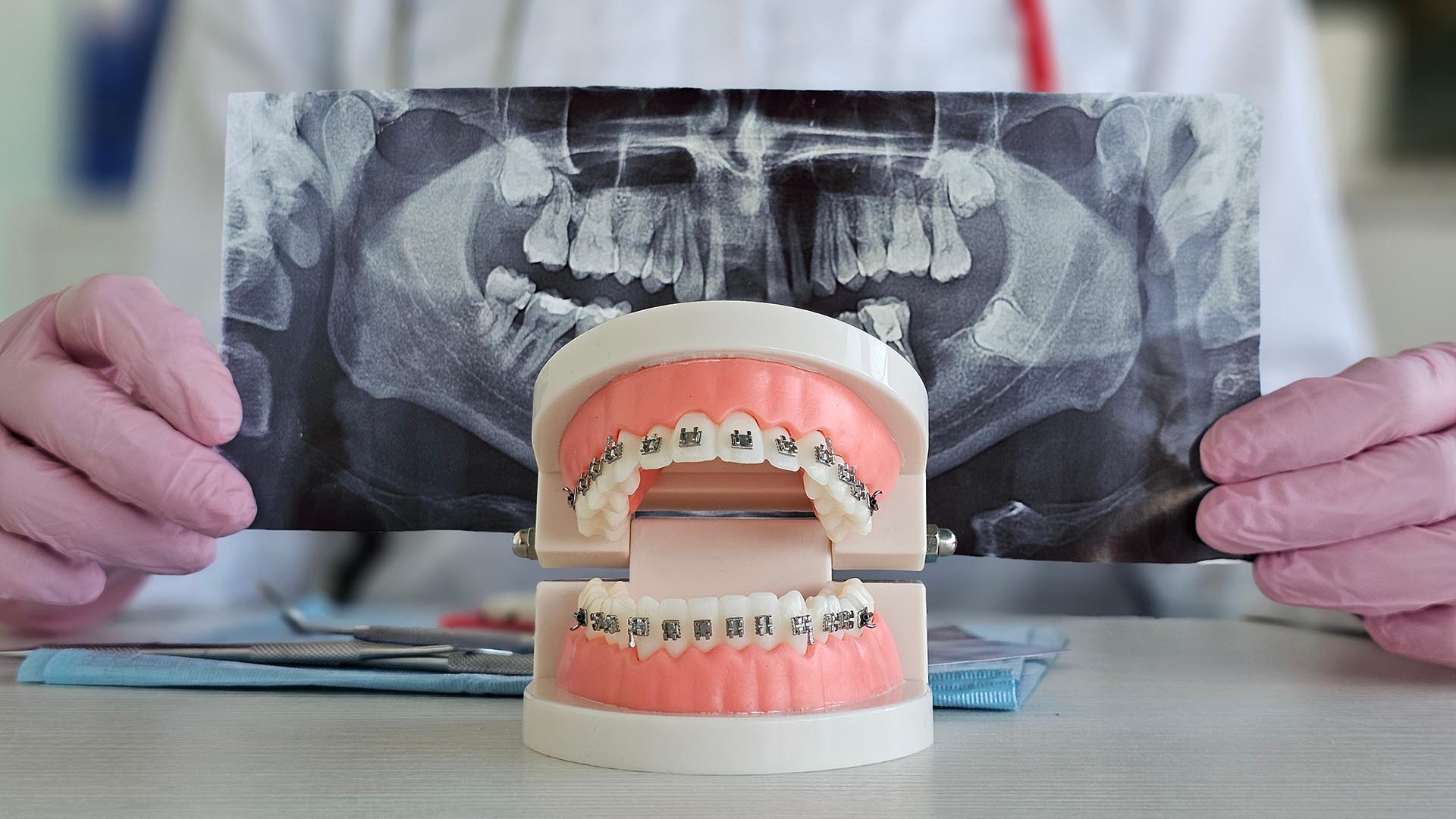
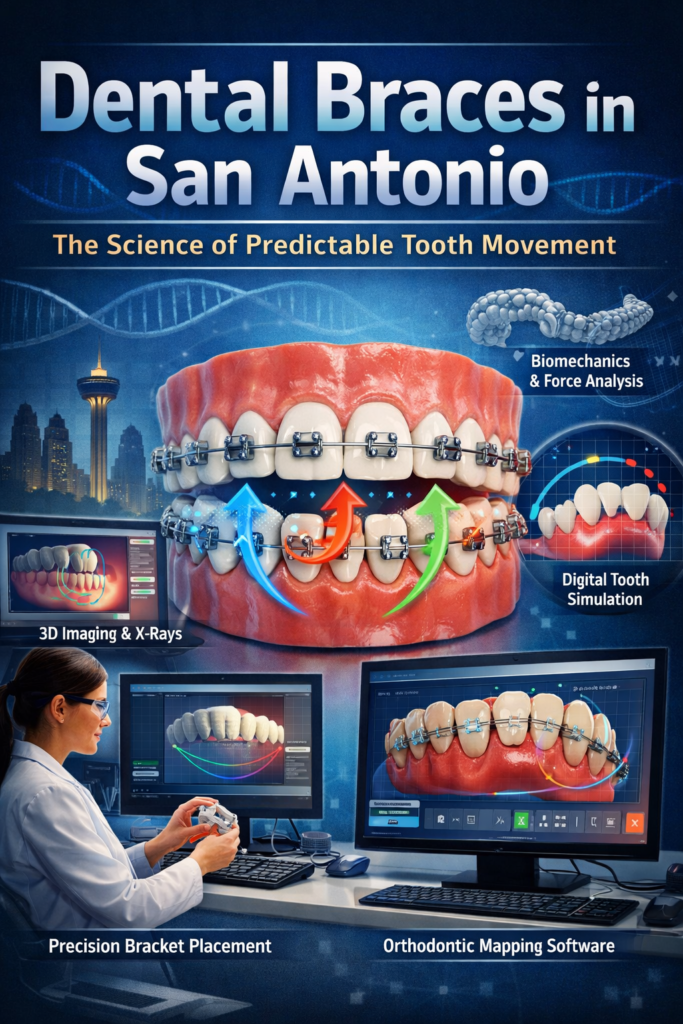
Dental braces function through controlled mechanical force. Brackets are bonded to each tooth and connected through an orthodontic archwire. This wire gradually applies calibrated pressure that encourages teeth to shift into proper alignment.
The process relies on a biological response known as bone remodeling. When pressure is applied to a tooth, the surrounding bone tissue begins to adjust. On one side of the tooth, bone resorbs to allow movement, while new bone forms on the opposite side to stabilize the tooth in its new position.
Because this process occurs gradually, orthodontic treatment requires regular monitoring and adjustments. The goal is not rapid movement but predictable and stable repositioning that protects both tooth roots and surrounding bone.
Patients seeking dental braces in San Antonio often benefit from treatment plans that carefully sequence tooth movement. This step by step progression ensures that alignment, bite correction, and spacing adjustments occur in a coordinated manner.
The Importance of Bite Alignment
Many people initially pursue braces for cosmetic reasons. While aesthetic improvement is a valuable outcome, bite correction is equally important.
Improper bite alignment can lead to a range of dental issues including uneven tooth wear, jaw discomfort, difficulty chewing, and excessive pressure on specific teeth. Over time, these imbalances may contribute to long term dental complications.
Braces address these problems by guiding teeth into positions that support proper occlusion. Occlusion refers to how the upper and lower teeth meet when the mouth closes. When teeth align correctly, chewing efficiency improves and stress on the jaw joints decreases.
Through comprehensive orthodontic evaluation, we identify bite irregularities such as overbites, underbites, crossbites, and crowding patterns that influence treatment design.
Modern Diagnostic Methods in Orthodontics
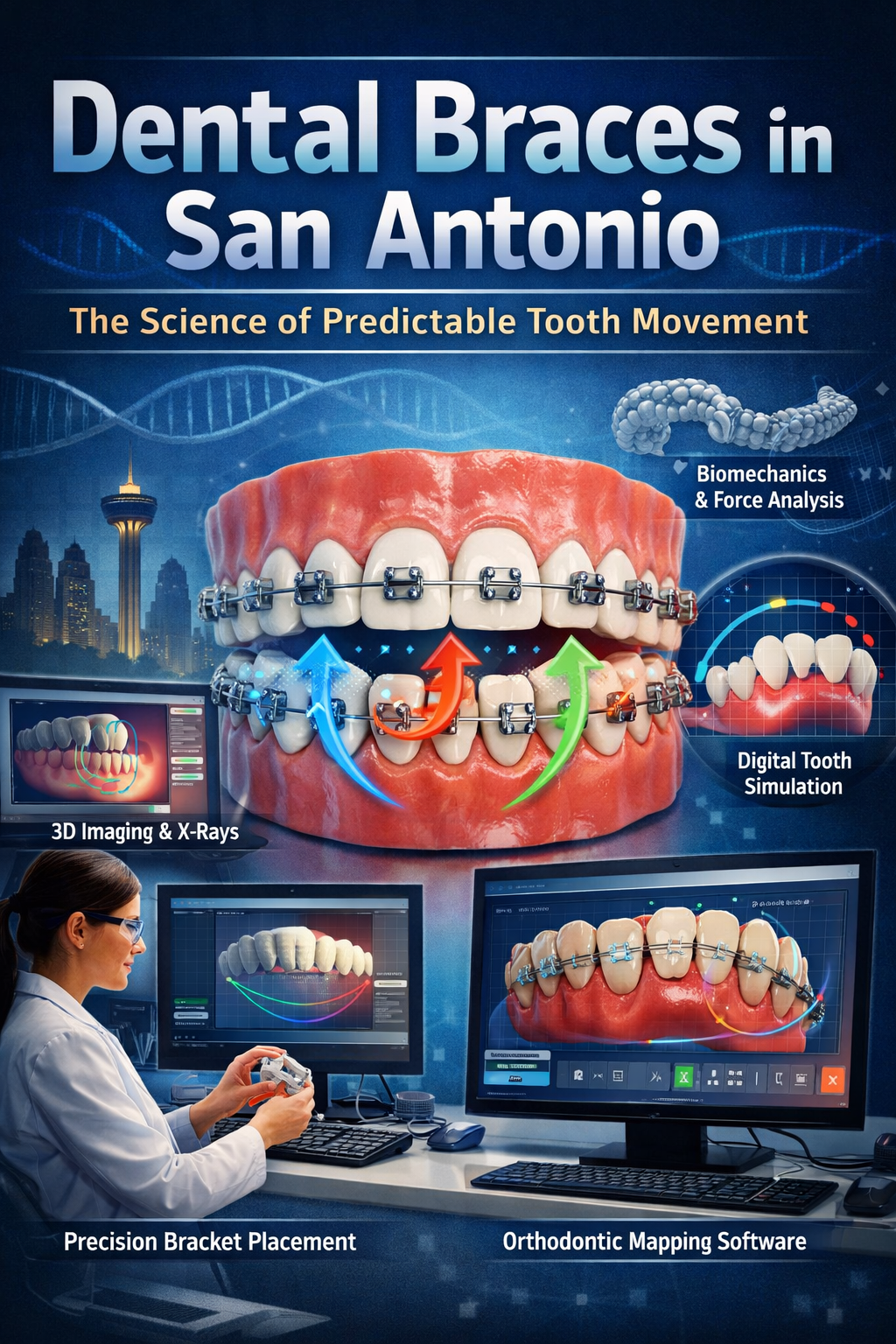
Orthodontic planning has advanced significantly through digital imaging and diagnostic tools. Accurate measurements allow orthodontists to visualize tooth position, root structure, and jaw alignment before treatment begins.
These technologies help determine the most efficient tooth movement sequence and reduce the risk of complications. Digital models also provide patients with a clearer understanding of their treatment objectives.
When providing dental braces in San Antonio, careful diagnostic assessment allows us to anticipate challenges and develop a precise strategy that guides each phase of treatment.
Patient Specific Treatment Planning
Orthodontic care should never follow a one size fits all approach. Factors such as age, bone density, tooth spacing, and jaw development influence the design of a treatment plan.
For younger patients, orthodontic treatment may incorporate growth guidance strategies that support proper jaw development while aligning teeth. Adult orthodontic patients may require different considerations, particularly when addressing existing dental restorations or long standing alignment issues.
Amini Ortho prioritizes individualized treatment planning that reflects each patient’s unique dental structure and long term oral health goals.
Oral Health Benefits Beyond Alignment
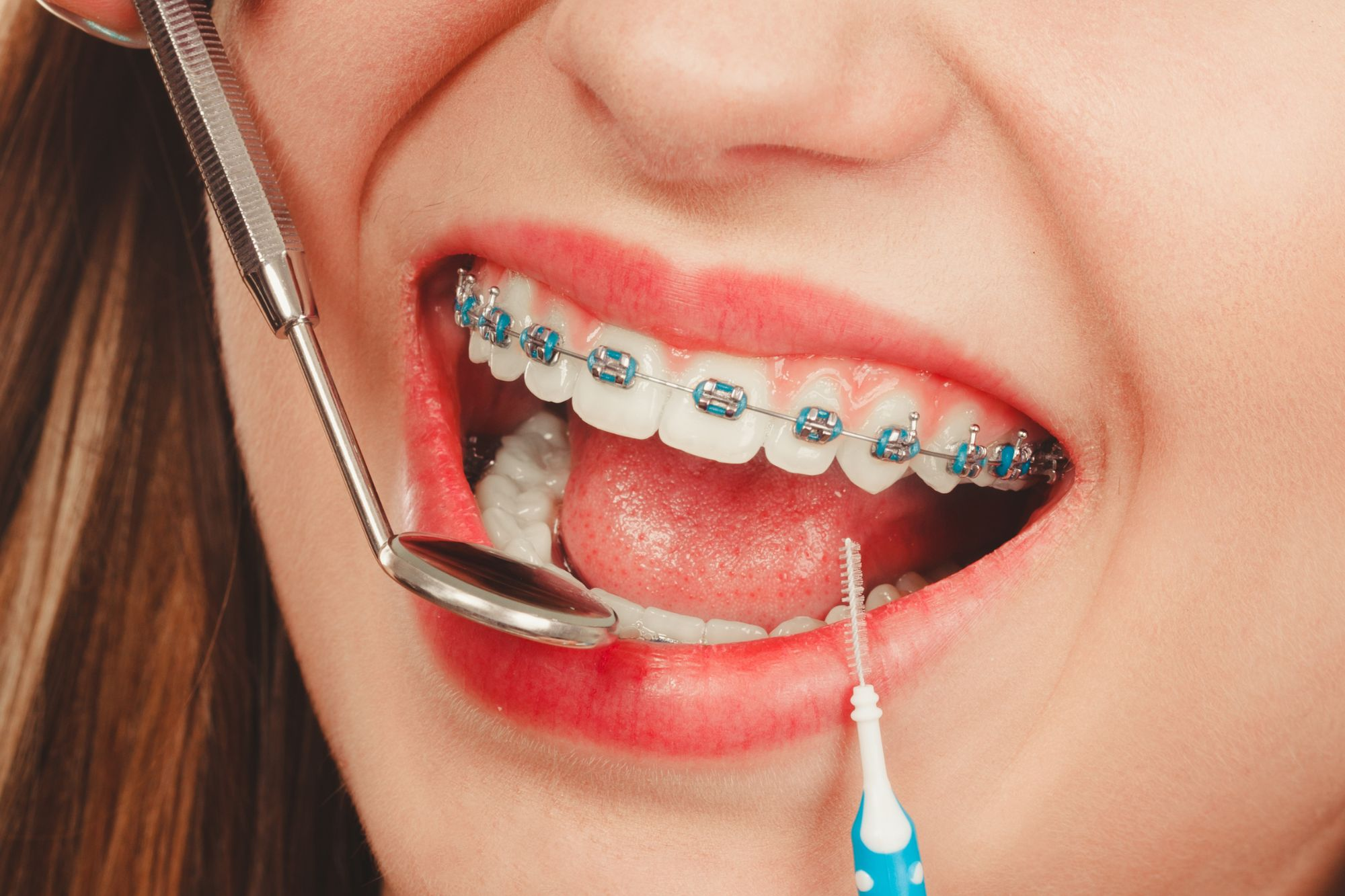
Straight teeth contribute to improved oral hygiene. Crowded or overlapping teeth create areas that are difficult to clean effectively with brushing and flossing. These areas may trap food particles and bacteria, increasing the risk of cavities and gum disease.
By correcting alignment, braces create a dental environment that is easier to maintain through routine hygiene practices. This improvement supports long term dental health and reduces the likelihood of future restorative procedures.
Additionally, properly aligned teeth distribute bite forces evenly. This balance helps protect enamel surfaces and reduces the potential for premature tooth wear.
Treatment Progress and Monitoring
Orthodontic treatment requires consistent monitoring to ensure progress remains on track. During scheduled visits, adjustments are made to archwires and brackets to maintain the appropriate level of force required for tooth movement.
These visits also allow orthodontists to evaluate oral hygiene, monitor gum health, and address any patient concerns that may arise during treatment.
Our clinical team focuses on maintaining a supportive treatment environment where patients understand each stage of their orthodontic journey and the purpose behind every adjustment.
Retention and Long Term Stability
Once teeth have reached their desired positions, retention becomes an essential phase of orthodontic care. Retainers help stabilize teeth while the surrounding bone fully adapts to their new alignment.
Without proper retention, teeth may gradually shift back toward their original positions. Retainers maintain the results achieved through months or years of orthodontic treatment.
Education about retainer use is a critical component of orthodontic care. Patients who follow retention guidelines significantly increase the longevity of their treatment results.
Orthodontics as a Long Term Investment
Choosing orthodontic treatment represents a commitment to both appearance and health. Braces offer a structured path toward improved dental function, enhanced aesthetics, and greater oral hygiene accessibility.
At Amini Ortho, we believe that orthodontic care should combine technical expertise with patient focused guidance. By emphasizing precise diagnostics, individualized treatment planning, and consistent monitoring, we help patients achieve results that support long term dental wellness.
For individuals considering dental braces in San Antonio, orthodontic care provides more than straight teeth. It delivers a carefully engineered process that promotes structural balance, functional efficiency, and lasting confidence in one’s smile.