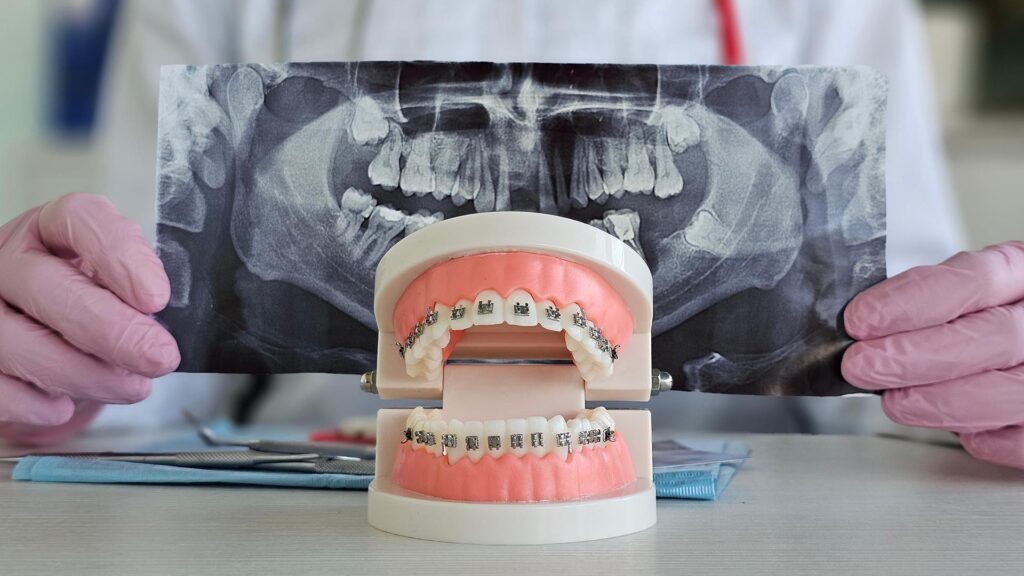
Understanding the Relationship Between Bite and Jaw Development
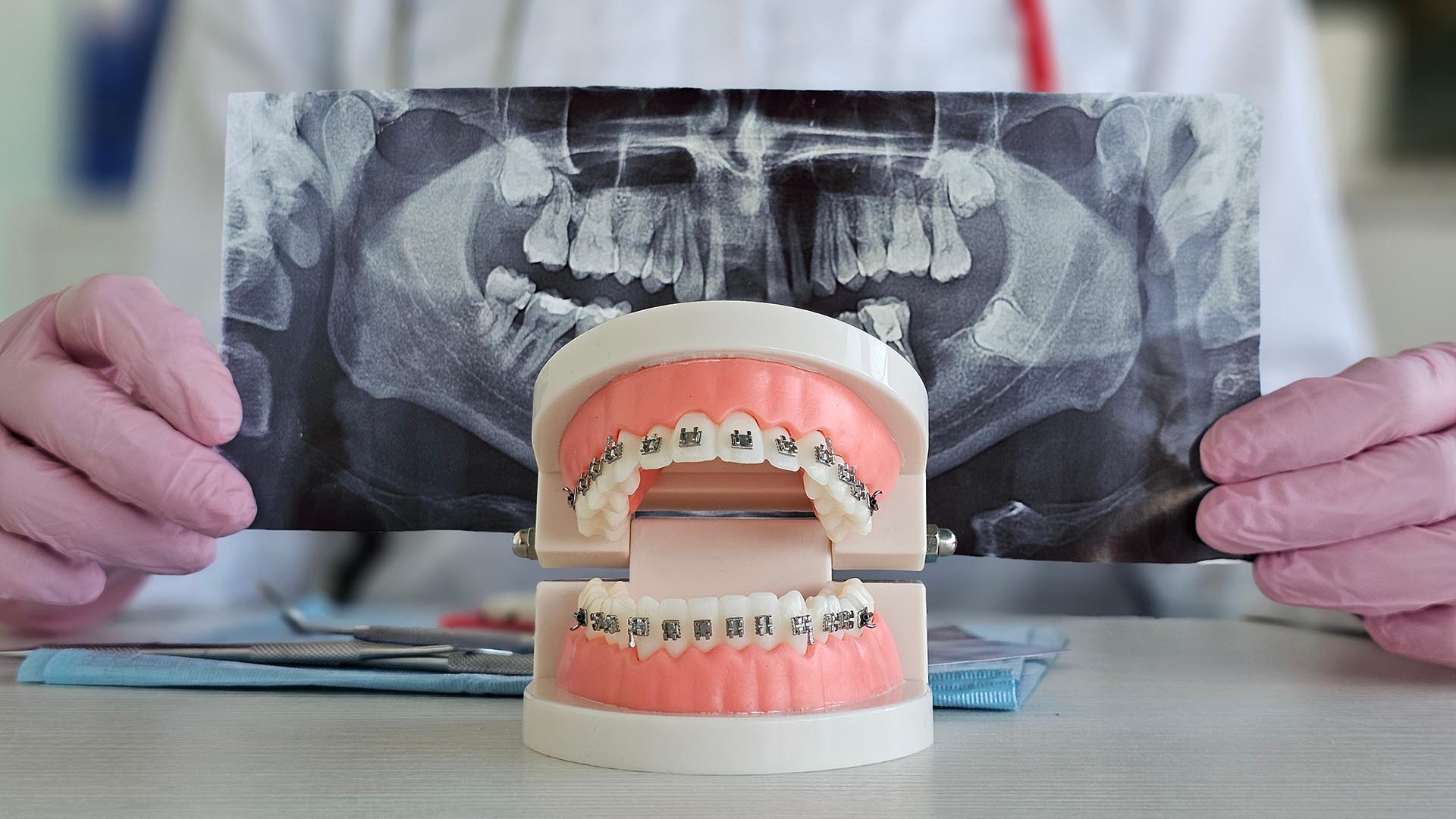
A child’s bite is more than the way the upper and lower teeth meet when the mouth closes. It can also provide important information about how the upper and lower jaws are developing in relation to one another. Bite problems, clinically referred to as malocclusions, can involve the position of individual teeth, the width of the dental arches, or the underlying relationship between the jaws. Some childhood bite problems are primarily dental, while others are associated with differences in skeletal growth that become more apparent as a child develops. The American Association of Orthodontists recommends that children receive an orthodontic evaluation no later than age seven because this can allow developing jaw and bite concerns to be identified while growth is still occurring. Understanding these distinctions early can help parents and orthodontic professionals determine whether observation, interceptive treatment, comprehensive orthodontics, or eventually jaw surgery may be appropriate.
Why Childhood Bite Problems Deserve Attention
Many children have bite irregularities that appear relatively minor at first but can become more pronounced as the jaws and permanent teeth develop. An underbite, overbite, crossbite, open bite, excessive crowding, or significant jaw asymmetry may indicate that the teeth and supporting structures are not developing in an ideal relationship. Some problems are caused primarily by tooth positioning, while others are influenced by skeletal growth patterns, genetics, oral habits, delayed tooth eruption, or other developmental factors. The AAO notes that childhood conditions and habits can contribute to bite problems, and certain untreated crossbites may contribute to asymmetric jaw development. This does not mean that every child with a bite problem will eventually require surgery, because many orthodontic concerns can be managed without surgical intervention. However, recognizing a potentially significant skeletal discrepancy early can give the treatment team more opportunities to manage development before the jaws finish growing.
What Happens When the Upper and Lower Jaws Do Not Develop Together
The relationship between the upper and lower jaws is central to normal chewing, biting, speaking, and overall oral function. If one jaw grows substantially more forward, backward, vertically, or horizontally than the other, the teeth may compensate by changing their positions. This compensation can sometimes make the bite appear less severe than the underlying skeletal discrepancy actually is. As a child continues to grow, however, the underlying difference in jaw size or position may become increasingly apparent. Orthognathic surgery is specifically designed to correct developmental abnormalities involving the jaws and facial skeleton when orthodontic movement of the teeth alone cannot adequately address the skeletal problem. This is why childhood bite assessment is important even when a child does not appear to have an obvious facial or functional concern.
Common Childhood Bite Problems That May Involve Jaw Development
An underbite occurs when the lower teeth or lower jaw are positioned ahead of the upper teeth or upper jaw. In some children, an underbite is primarily related to tooth positioning, while in others it reflects a significant difference in the growth or position of the upper and lower jaws. Early treatment may be helpful when an underbite is associated with developing jaw relationships because growth-guiding approaches can sometimes improve the relationship while the child is still developing. The AAO explains that some growing children with underbites may benefit from approaches such as palatal expansion and reverse-pull headgear when the upper jaw is deficient in forward development. When a significant skeletal discrepancy remains after growth is complete, orthodontic treatment alone may not be sufficient, and orthognathic surgery can become part of the treatment plan.
The Role of Crossbites in Jaw Alignment
A crossbite can occur when one or more upper teeth bite inside the corresponding lower teeth instead of outside them. While some crossbites are primarily dental, others can influence the way the jaw closes and may encourage a functional shift toward one side. If that shift persists during growth, it can contribute to asymmetrical development in certain cases. The AAO specifically notes that untreated crossbites can be associated with jaw shifting, asymmetric jaw growth, and abnormal tooth wear, while severe cases may eventually require jaw surgery. This does not establish that a childhood crossbite inevitably causes surgery, but it demonstrates why an orthodontic evaluation is important when a crossbite is present. Early assessment allows the clinician to determine whether the issue is dental, skeletal, functional, or a combination of these factors.
How Overbites and Open Bites Can Relate to Skeletal Development
An excessive overbite occurs when the upper front teeth overlap the lower front teeth more than expected. An open bite occurs when certain upper and lower teeth do not make appropriate contact when the mouth is closed. Both conditions can have dental causes, but they can also occur alongside differences in vertical jaw development. Persistent oral habits, tooth eruption patterns, skeletal relationships, and other developmental factors can influence these conditions. When the underlying skeletal relationship is substantial, simply moving the teeth may not produce a stable or functional long-term correction. A thorough orthodontic evaluation therefore considers the position of the teeth as well as the proportions and relationships of the facial bones.
Why Early Orthodontic Evaluation Matters
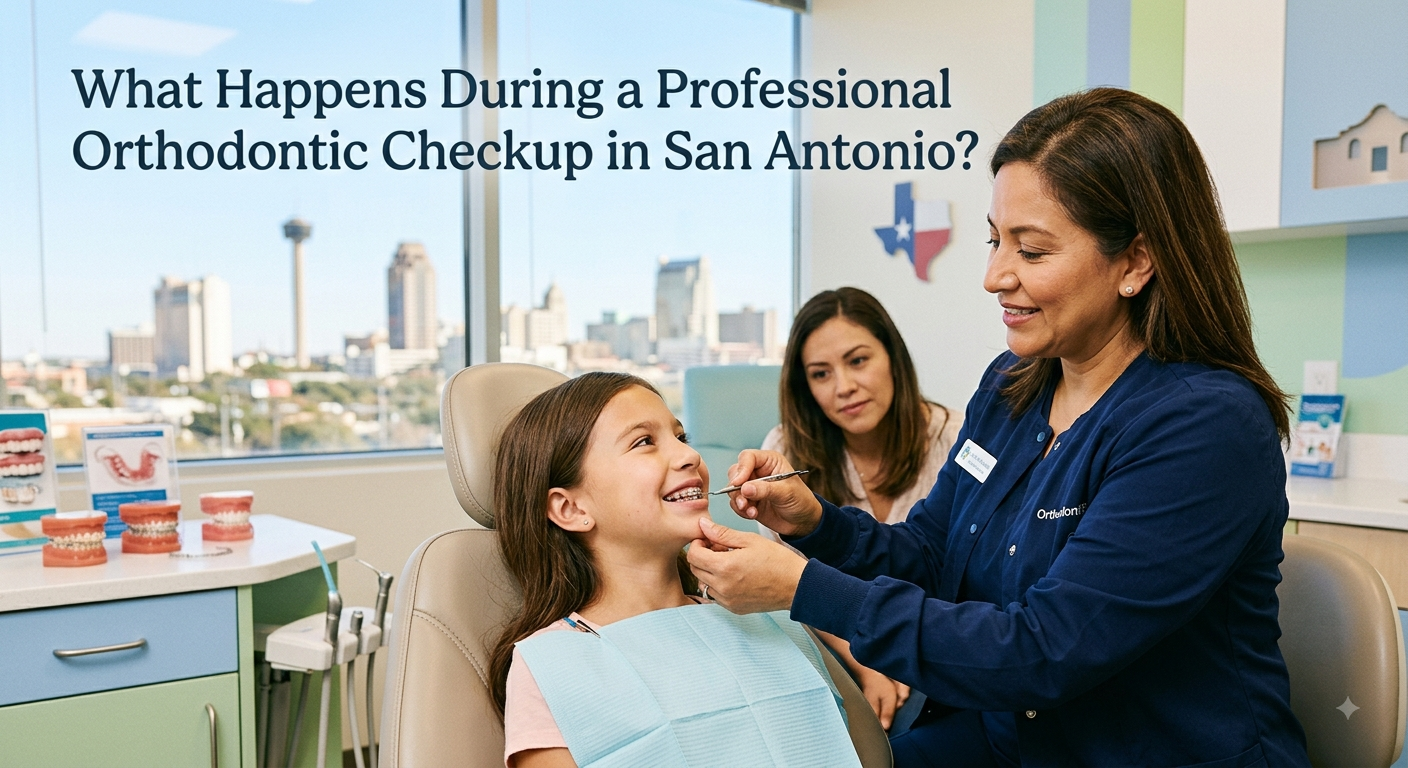
Early orthodontic evaluation does not automatically mean that a child will receive braces or begin immediate treatment. In fact, the AAO explains that many children do not need early active treatment and may instead benefit from periodic observation while their teeth and jaws continue developing. The purpose of an early evaluation is to identify conditions where timing could make a meaningful difference in treatment planning. Some children may benefit from interceptive treatment while growth is occurring, while others may simply need monitoring until a more appropriate stage of dental development. This distinction is important because premature or unnecessary treatment is not the goal of pediatric orthodontic care. At Amini Ortho, we focus on understanding the individual growth pattern and developing a treatment approach that reflects the child’s actual orthodontic needs.
How Interceptive Orthodontics Can Influence Future Treatment
Interceptive orthodontics refers to treatment performed during dental and skeletal development when certain problems may be easier to influence. Depending on the diagnosis, treatment can include appliances designed to widen the upper jaw, address crossbites, create space, or guide the relationship between developing teeth and jaws. Palatal expanders, for example, can be used in growing children to address certain narrow upper-jaw relationships and create more appropriate space for developing teeth. Two-phase orthodontic treatment may also be considered when early intervention can reduce the severity of a developing problem or make later comprehensive treatment more predictable. The objective is not necessarily to complete all orthodontic treatment during childhood, but rather to address specific developmental concerns at an appropriate time. In carefully selected cases, managing a developing bite during growth may reduce the complexity of treatment required later.
When Orthodontic Treatment May Not Be Enough
Braces and clear aligners are highly effective for moving teeth, but they cannot independently reposition fully developed jaw bones. If the primary problem involves a significant skeletal discrepancy, moving the teeth alone may produce an appearance that does not adequately correct the underlying jaw relationship. Orthognathic surgery may therefore be considered when the upper jaw, lower jaw, or both jaws are substantially out of position. The AAO explains that surgical orthodontics is used when skeletal problems affect functions such as biting, chewing, and speaking and cannot be corrected adequately through orthodontic treatment alone. This is one reason why a child with a serious skeletal bite problem may eventually need a multidisciplinary treatment plan extending from childhood through adolescence. The presence of a childhood bite problem should not be interpreted as a prediction of surgery, but it can be an important part of understanding the patient’s long-term growth pattern.
How Jaw Surgery Fits Into a Long-Term Orthodontic Plan
Orthognathic surgery is generally considered after the jaws have reached sufficient skeletal maturity because the procedure involves repositioning the jaw bones themselves. The AAO states that corrective jaw surgery for misaligned jaws is generally performed after jaw growth has finished, typically during the late teenage years or early adulthood. Before surgery, orthodontic treatment is typically used to position the teeth so they can fit together correctly once the jaws are repositioned. After surgery, additional orthodontic treatment is commonly used to refine the bite and stabilize the final tooth positions. This means that jaw surgery is rarely an isolated event and is instead part of a carefully coordinated orthodontic and surgical process. The treatment pathway may therefore begin with recognizing a bite concern during childhood and continue through growth monitoring, orthodontic preparation, surgery when indicated, and postoperative orthodontic finishing.
Why Childhood Treatment Does Not Guarantee Avoidance of Surgery
It is important for parents to understand that early orthodontic treatment cannot guarantee that a child will never need jaw surgery. Some skeletal growth patterns are strongly influenced by genetics and may continue to develop despite appropriate early intervention. A child’s jaws can also grow at different rates during adolescence, meaning that the final relationship between the upper and lower jaws cannot always be predicted with complete certainty during early childhood. The purpose of early treatment is therefore not to promise a specific future outcome but to identify problems, manage what can be influenced, and monitor what requires continued observation. The AAO emphasizes that two-phase treatment is generally reserved for situations where early intervention is likely to reduce the severity or risk associated with a developing orthodontic problem. A responsible treatment plan should explain both what early intervention can accomplish and what limitations remain as the child continues to grow.
The Importance of Monitoring Growth Over Time
Growth monitoring is particularly important when an orthodontist identifies a skeletal discrepancy during childhood. A child’s facial proportions, tooth eruption sequence, bite relationship, and jaw position can change considerably throughout the developmental years. Periodic examinations allow the orthodontic team to determine whether an existing problem is improving, remaining stable, or becoming more pronounced. Imaging and clinical examinations can also help the orthodontist distinguish between tooth-related problems and discrepancies involving the underlying jaw structures. This information becomes increasingly valuable when determining whether continued orthodontic treatment may be sufficient or whether consultation with an oral and maxillofacial surgeon should eventually be considered. At Amini Ortho, our approach is centered on evaluating development over time rather than making assumptions based on a single examination.
Recognizing Signs That May Deserve an Orthodontic Evaluation
Parents may notice several signs that justify an orthodontic assessment even when a child does not complain of pain. Difficulty biting or chewing, teeth that do not meet normally, visible jaw asymmetry, an obvious underbite or overbite, a persistent crossbite, or significant crowding can all warrant professional evaluation. The AAO also identifies problems such as abnormal eruption, irregular loss of baby teeth, and difficulty chewing efficiently as reasons to consider orthodontic assessment. Parents may also notice that a child consistently shifts the jaw to one side when closing the mouth or has difficulty bringing the lips together comfortably. These signs do not establish that a child has a skeletal problem, but they can provide useful reasons to seek an orthodontic opinion. Early professional assessment is generally more informative than attempting to predict jaw development from appearance alone.
The Difference Between Prevention and Prediction
One of the most important concepts in pediatric orthodontics is the distinction between reducing risk and predicting the future. A child with a bite problem may receive early treatment that improves the dental relationship and creates better conditions for continued development. However, orthodontists cannot control every aspect of facial growth, and some jaw discrepancies become more evident during adolescence. Consequently, early treatment should be viewed as an opportunity to manage development rather than a guarantee against future surgical treatment. Orthognathic surgery remains appropriate for selected patients whose mature skeletal relationships cannot be corrected adequately through orthodontics alone. A realistic treatment discussion should therefore explain potential outcomes while recognizing that each child’s growth pattern is unique.
The Orthodontist and Oral Surgeon Working Together
When a significant skeletal discrepancy is suspected, orthodontists and oral and maxillofacial surgeons may work together to develop a comprehensive treatment strategy. The orthodontist focuses on tooth movement, bite relationships, dental compensation, and preparation of the teeth, while the oral and maxillofacial surgeon evaluates the surgical correction of the underlying skeletal problem. AAOMS describes orthognathic surgery as a procedure used to correct developmental growth abnormalities of the jaws and facial bones, with treatment commonly conducted in combination with orthodontics. This collaborative approach allows the treatment team to coordinate tooth positioning and jaw positioning rather than treating them as separate problems. In appropriate cases, the surgeon may become involved in treatment planning before orthodontic treatment begins and remain involved after surgery as the bite is refined. Such coordination can help establish a clearer pathway from the initial diagnosis through the final functional result.
Preparing Families for Long-Term Treatment Decisions
Parents often feel concerned when they hear that a childhood bite problem could eventually be associated with jaw surgery. It is important to remember that the word surgery does not mean that surgery is inevitable. Many orthodontic conditions can be treated successfully with braces, aligners, expanders, growth modification, or observation depending on the child’s specific diagnosis and stage of development. The purpose of identifying a skeletal concern early is to provide the treatment team with more information and more opportunities to respond appropriately as the child grows. If surgery eventually becomes necessary, the earlier orthodontic evaluations can provide valuable historical information about how the jaws and teeth developed over time. A thoughtful long-term plan can therefore help families understand what is happening at each stage instead of viewing treatment as a single decision made years in advance.
Building a Healthier Bite From Childhood Into Adulthood
A healthy bite involves more than straight-looking teeth because the upper and lower jaws, teeth, muscles, and supporting structures need to work together effectively. Significant skeletal discrepancies can affect chewing, speech, swallowing, and other aspects of oral function, which is why orthognathic treatment focuses on correcting underlying jaw relationships when indicated. Early identification of bite problems can help determine whether growth guidance or interceptive treatment may be beneficial while a child is still developing. Continued monitoring can then reveal how the jaws respond to growth and whether additional orthodontic or surgical treatment is necessary later. The objective is not simply to create an attractive smile, but to establish a functional and stable relationship between the teeth and jaws. Our goal is to help families understand these connections clearly so that treatment decisions can be made based on the child’s individual development and clinical needs.
When Parents Should Seek Professional Guidance
If a child has a noticeable bite problem, parents do not need to wait until all baby teeth have fallen out before seeking an orthodontic opinion. The AAO recommends an orthodontic check-up by age seven, while also encouraging parents to seek evaluation earlier when a concern is already apparent. An early consultation may result in immediate treatment, periodic observation, or a recommendation to return at a more appropriate stage of growth. What matters is identifying the nature of the problem and determining whether timing could affect the available treatment options. If a significant skeletal discrepancy is present, understanding it during childhood can help establish a long-term pathway that may include orthodontics and, if eventually indicated, orthognathic surgery. A professional evaluation is therefore one of the most useful steps parents can take when they notice an unusual bite, jaw position, or pattern of facial development.
Childhood bite problems and future jaw alignment surgery can be connected when an early malocclusion reflects an underlying skeletal discrepancy rather than a problem limited to tooth positioning. Early orthodontic evaluation can help identify these differences while the jaws are still developing and may allow appropriate growth-guiding or interceptive treatment when indicated. Some children can achieve an appropriate bite without surgery, while others with significant skeletal discrepancies may ultimately require orthognathic treatment after growth is complete. The important point is that an early bite problem should not automatically be viewed as a prediction of future surgery. Instead, it should be considered an opportunity for careful diagnosis, timely treatment when appropriate, and continued monitoring throughout growth. At Amini Ortho, we believe that understanding the relationship between childhood development, bite function, and jaw alignment allows families to approach orthodontic care with greater clarity and confidence.