The Orthodontic Roadmap for San Antonio Patients Preparing for Corrective Jaw Surgery
Corrective jaw surgery can be an important treatment option for San Antonio patients whose jaw development, bite alignment, or facial structure cannot be adequately corrected with orthodontic treatment alone. The process usually involves much more than the surgical procedure itself because orthodontic preparation plays a central role in positioning the teeth before the jaws are repositioned. Understanding the treatment roadmap can make the experience easier to navigate and can help patients know what to expect at each stage. The orthodontic phase may take considerable time because the teeth often need to be positioned specifically for the planned surgical correction. Patients may also need diagnostic imaging, dental evaluations, treatment planning appointments, and coordination between their orthodontist and oral and maxillofacial surgeon. At Amini Ortho, we help patients understand how orthodontic preparation fits into the larger corrective jaw surgery process so they can approach treatment with realistic expectations.
Understanding Why Corrective Jaw Surgery May Be Recommended
Corrective jaw surgery, also called orthognathic surgery, is generally considered when the upper jaw, lower jaw, or both jaws have a significant skeletal discrepancy that affects function, appearance, or oral health. Some patients may have a severe overbite, underbite, open bite, crossbite, facial asymmetry, or jaw relationship that cannot be fully corrected by moving the teeth alone. Problems with chewing, speaking, swallowing, breathing, or comfortable jaw function may also contribute to the decision to pursue surgical treatment. In other situations, the primary concern may involve facial proportions or an imbalance between the upper and lower jaws. Because every patient’s skeletal and dental relationship is different, corrective jaw surgery requires individualized evaluation rather than a standardized treatment approach. The purpose of the orthodontic process is to prepare the teeth and supporting structures so the surgeon can achieve the intended skeletal correction as accurately as possible.
The First Orthodontic Evaluation
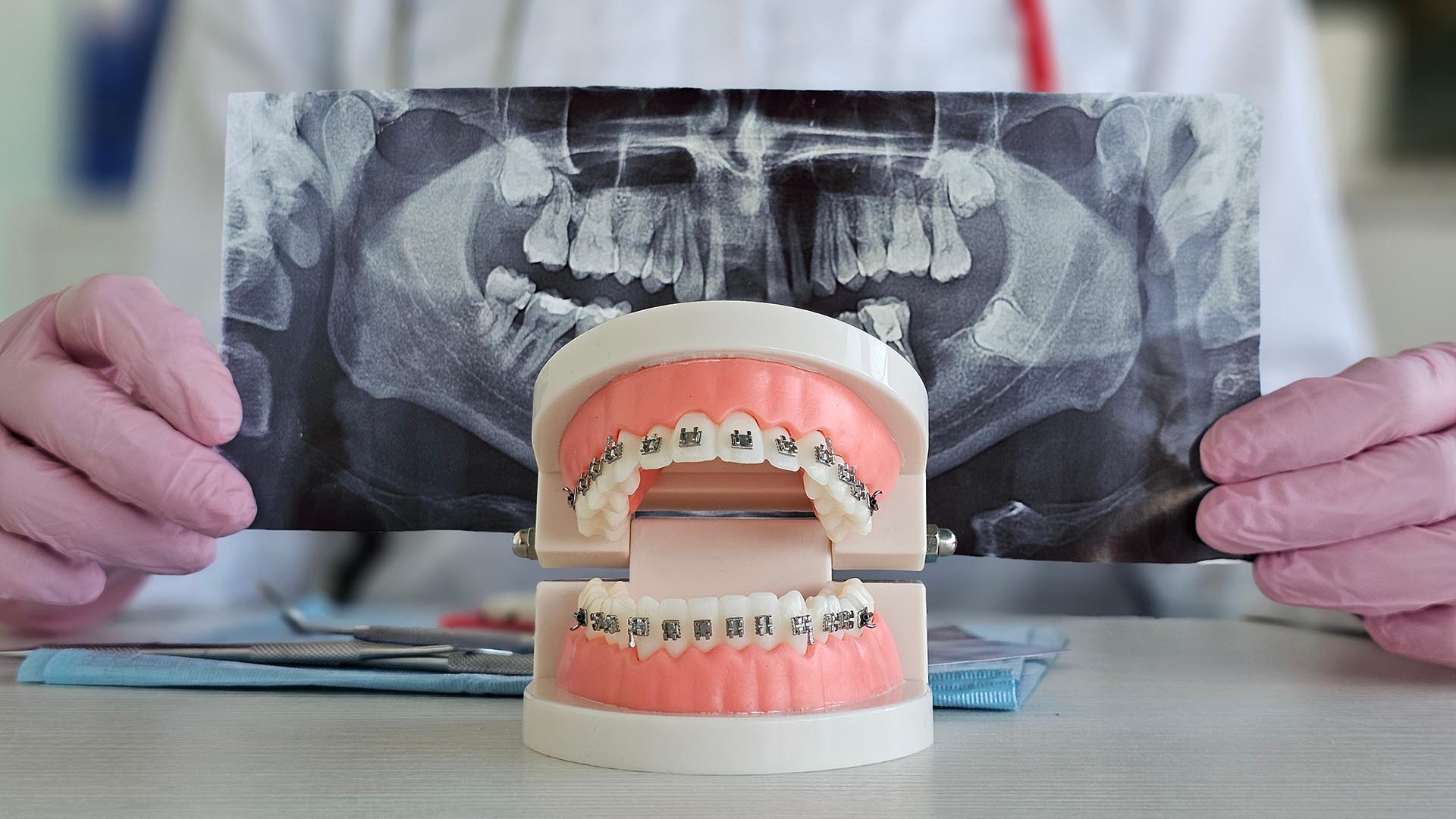
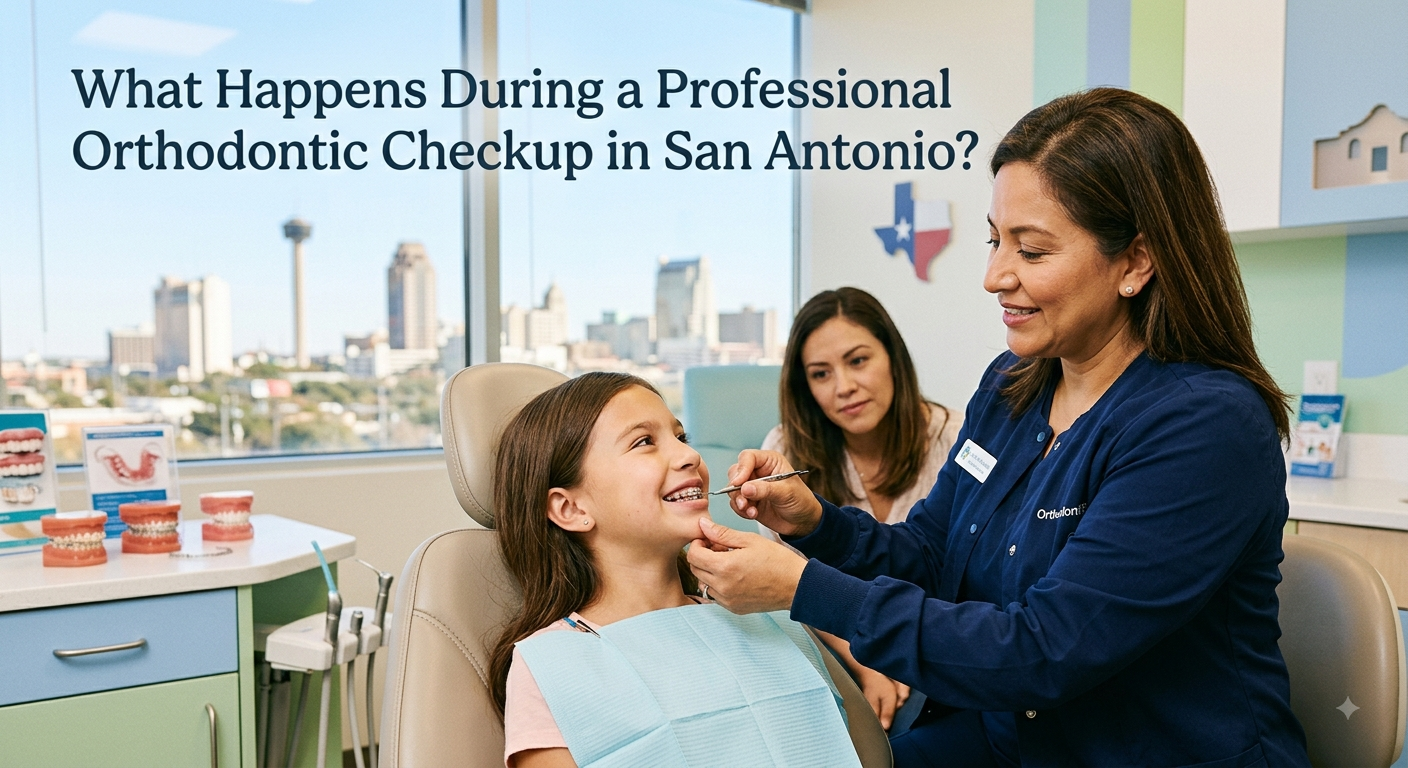
The treatment journey generally begins with a comprehensive orthodontic examination that evaluates the relationship between the teeth, jaws, facial structures, and surrounding tissues. During this appointment, we may review the patient’s dental history, previous orthodontic treatment, bite concerns, jaw symptoms, and general treatment goals. Diagnostic records can include photographs, dental impressions or digital scans, panoramic imaging, cephalometric imaging, and other forms of diagnostic assessment when appropriate. These records allow the orthodontic team to study the relationship between the upper and lower jaws and determine how the teeth are currently positioned within those skeletal structures. The evaluation also provides an opportunity to identify dental conditions that may need attention before orthodontic treatment begins. A thorough initial assessment is important because successful surgical orthodontics depends on understanding the complete relationship between skeletal structure and dental alignment.
Coordinating Orthodontic and Surgical Treatment
Corrective jaw surgery is typically a coordinated process involving an orthodontist and an oral and maxillofacial surgeon. The orthodontist focuses primarily on tooth positioning and preparation, while the surgeon evaluates and plans the surgical movement of the jaw structures. Communication between these professionals helps ensure that orthodontic tooth movement supports the planned surgical correction rather than simply creating an attractive dental alignment before surgery. Treatment planning may involve digital records, imaging, measurements, photographs, and virtual simulations to understand how different jaw movements could affect the bite and facial proportions. The treatment team may also review the anticipated position of the teeth immediately before surgery and the expected relationship after the jaws have been repositioned. This collaborative approach helps establish a treatment sequence in which orthodontic and surgical objectives remain aligned throughout the process.
Why Teeth May Look Different Before Surgery
One of the most confusing aspects of surgical orthodontic treatment is that the bite can sometimes appear worse before the corrective operation. Traditional orthodontic treatment often focuses on making the teeth fit together as treatment progresses, but surgical orthodontics follows a different strategy. Before surgery, the orthodontist may need to move the teeth into positions that compensate for their existing skeletal discrepancy. Removing these dental compensations can temporarily make an overbite, underbite, open bite, or other bite problem appear more pronounced. This process is intentional because the surgeon needs the teeth positioned appropriately within their individual jaw structures before moving the jaws into their new relationship. Patients who understand this concept in advance are often better prepared for the temporary changes they may notice in their smile and bite.
The Pre-Surgical Orthodontic Phase
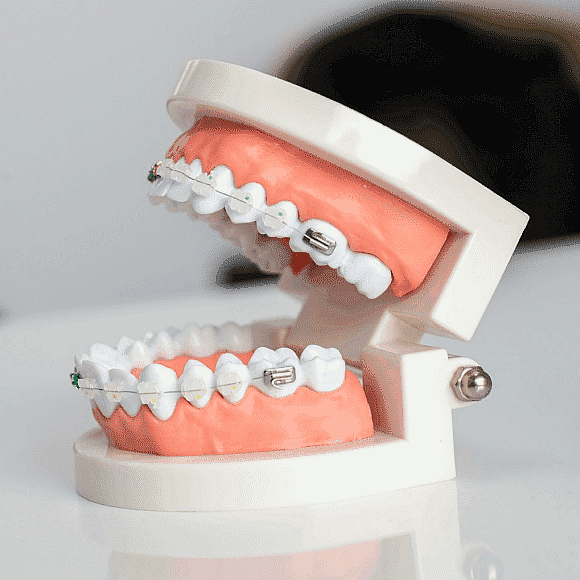
The pre-surgical orthodontic phase is designed to establish the dental foundation required for the planned jaw correction. Braces or clear orthodontic appliances may be used depending on the patient’s specific circumstances and the treatment strategy established by the orthodontic team. During this phase, the orthodontist gradually moves the teeth into positions that allow the upper and lower jaws to be surgically repositioned into a more functional relationship. The duration of this stage varies considerably because treatment depends on the severity of the dental and skeletal discrepancy, the patient’s biological response, and the amount of tooth movement required. Regular appointments allow the orthodontist to monitor progress and make controlled adjustments to the appliances. Maintaining excellent oral hygiene and attending scheduled appointments are particularly important because treatment interruptions can affect the overall timeline.
Dental Health Before Surgery
A healthy oral environment is an important part of preparing for corrective jaw surgery. Cavities, gum disease, damaged teeth, infections, and other dental concerns may need to be addressed before the surgical phase is reached. Orthodontic appliances can make cleaning more challenging because brackets, wires, or other components can create additional areas where plaque accumulates. Patients should therefore develop consistent brushing and interdental cleaning habits throughout orthodontic treatment. Professional dental cleanings may also be recommended according to individual needs and the patient’s existing dental health. Taking care of these concerns before surgery can help create a healthier foundation for the orthodontic and surgical stages of treatment.
Monitoring Progress During Orthodontic Treatment
Surgical orthodontic treatment requires careful monitoring because tooth movement must support the larger treatment plan. At periodic appointments, the orthodontist evaluates changes in tooth position, bite relationships, appliance function, and overall treatment progress. Additional photographs, scans, or radiographic records may be obtained when they provide useful information for treatment planning. Adjustments are made gradually because controlled tooth movement is necessary for maintaining healthy supporting tissues and achieving the desired alignment. Patients should communicate any persistent discomfort, broken appliances, unusual bite changes, or other concerns rather than waiting until the next scheduled visit if the issue requires attention. Consistent monitoring allows the treatment team to identify changes early and make appropriate modifications when necessary.
Preparing for the Surgical Planning Appointment
As the orthodontic preparation approaches completion, the treatment team may begin detailed planning for the surgical procedure. Updated diagnostic records can be used to confirm the current position of the teeth and jaws and to compare those findings with the original treatment objectives. The surgeon may evaluate the planned movements of the upper jaw, lower jaw, chin, or other structures depending on the patient’s specific treatment plan. Digital surgical planning can help the clinical team visualize the proposed correction and assess how changes to the jaw relationship may affect facial proportions and dental function. The orthodontist may also coordinate the final tooth positioning with the surgeon so the surgical plan reflects the current orthodontic status. This stage is important because the surgical procedure should be based on current diagnostic information rather than assumptions made at the beginning of treatment.
Understanding the Surgical Phase
Corrective jaw surgery is performed by an appropriately trained oral and maxillofacial surgeon, and the exact procedure varies according to the patient’s skeletal condition. Some patients require correction of the upper jaw, while others require correction of the lower jaw or a combination of procedures. In certain cases, additional procedures may be considered to address facial balance or specific functional concerns. The surgeon will explain the surgical technique, expected recovery, potential risks, dietary restrictions, medication instructions, and follow-up requirements before the procedure. Orthodontic appliances typically remain in place during the surgical stage because they continue to provide the framework for managing the bite afterward. Patients should follow the surgical team’s instructions carefully and communicate questions before the procedure rather than relying on assumptions about recovery.
The Immediate Post-Surgical Orthodontic Period
The orthodontic process does not necessarily end when the jaw surgery is completed. Once the jaws have been repositioned, the orthodontist continues to monitor the bite and tooth positions as healing progresses. Small adjustments may be necessary to refine the way the upper and lower teeth meet because the relationship between the jaws has changed substantially. Patients may experience swelling, dietary limitations, altered sensations, and temporary changes in normal oral function during the recovery period. The surgical team provides specific instructions regarding physical activity, oral hygiene, nutrition, medications, and follow-up care. Maintaining communication with both the surgeon and orthodontist during this stage helps ensure that healing and orthodontic finishing progress appropriately.
The Finishing Stage After Jaw Surgery
Post-surgical orthodontics focuses on refining the dental relationship after the skeletal correction has been completed. Teeth may require additional movement so that they meet properly and function efficiently within the newly established jaw relationship. This phase can involve relatively small adjustments compared with the earlier orthodontic preparation, although the exact duration depends on individual circumstances. The orthodontist monitors the bite carefully because the goal is not simply to create straight teeth but to establish a stable and functional relationship between the upper and lower arches. Patients should continue following oral hygiene recommendations and attend all scheduled appointments during this stage. Completing the finishing phase is important because the final orthodontic adjustments contribute to the stability and functional quality of the overall treatment result.
Retention and Long-Term Stability
Once active orthodontic treatment has been completed, retention becomes an important part of maintaining the new dental alignment. Teeth naturally have a tendency to shift over time, and retention helps reduce unwanted movement after braces or other orthodontic appliances are removed. The orthodontist will determine the appropriate type of retainer and provide instructions regarding when and how it should be worn. Retention requirements can vary depending on the patient’s original condition, treatment mechanics, age, and other individual factors. Regular dental care should continue after orthodontic treatment because healthy teeth and gums provide an important foundation for long-term stability. Patients should view retention as part of the treatment process rather than as an optional step that can be discontinued without professional guidance.
Managing Expectations During the Treatment Journey
The road to corrective jaw surgery can be lengthy, and patients should expect several distinct stages rather than a single appointment-based treatment experience. There may be periods when progress seems subtle because orthodontic tooth movement occurs gradually and requires biological remodeling of the supporting tissues. Temporary changes in the bite can also be confusing, particularly when patients expected their teeth to look progressively straighter throughout treatment. Understanding the purpose behind each stage can make these changes easier to interpret and can help patients remain committed to the overall plan. Treatment timelines can also change because individual biology, tooth movement, appliance issues, and surgical considerations may affect the original schedule. Maintaining realistic expectations and communicating openly with the treatment team can make the overall process more manageable.
Preparing for Life in San Antonio During Treatment
Patients in San Antonio can benefit from planning their schedules around the different phases of surgical orthodontic treatment. Orthodontic appointments require ongoing commitment, while surgical planning and recovery may require additional time away from work, school, or other responsibilities. Before surgery, patients may want to organize transportation, prepare their home environment for recovery, and discuss anticipated dietary restrictions with their surgical team. The hot climate and active lifestyle common in South Texas can also make hydration and appropriate recovery planning particularly important, although individual medical instructions should always take priority. Patients should follow the specific recommendations provided by their orthodontist, surgeon, and other healthcare professionals rather than relying on generalized recovery advice. Having practical arrangements in place before the surgical date can reduce unnecessary stress during the recovery period.
Communication Is an Important Part of Treatment
Successful surgical orthodontics depends not only on clinical treatment but also on communication between the patient and the treatment team. Patients should feel comfortable asking why a particular tooth movement is necessary, what stage of treatment they are entering, and how orthodontic changes relate to the planned surgery. It is also important to report broken brackets, persistent discomfort, changes in the bite, or difficulties maintaining oral hygiene as soon as possible. Keeping the orthodontist informed about changes in health, medications, dental treatment, or other relevant circumstances can also help the team make appropriate decisions. Clear communication becomes especially valuable as the orthodontic plan transitions toward surgical preparation and post-operative finishing. When patients understand the reasoning behind their treatment, they can participate more confidently in the process.
Building a Strong Orthodontic Partnership
Corrective jaw surgery represents a significant treatment commitment, but careful orthodontic planning can provide an organized pathway from the initial evaluation through final retention. Each stage serves a specific purpose, from diagnosing the skeletal discrepancy to preparing the teeth, coordinating surgical planning, refining the bite after surgery, and maintaining the final result. Patients should not judge progress solely by how their smile looks at a particular moment because surgical orthodontics is designed around the final relationship between the teeth and jaws. Consistent appointments, good oral hygiene, attention to instructions, and open communication can all contribute to a smoother treatment experience. Choosing an orthodontic team experienced in coordinating surgical cases can also help patients understand how each decision fits into the broader treatment strategy. At Amini Ortho, we focus on providing structured orthodontic care that helps San Antonio patients understand their role in the corrective jaw surgery journey from preparation through long-term retention.
The orthodontic roadmap for corrective jaw surgery is a carefully coordinated process that begins well before the surgical procedure and continues after the jaws have healed. Patients may move through diagnostic evaluation, orthodontic preparation, surgical planning, jaw surgery, post-surgical orthodontics, and retention before treatment is considered complete. Each stage has a distinct purpose, and some temporary changes may be necessary to achieve the desired long-term result. Understanding why the teeth may initially appear less aligned or why the bite can temporarily change can help patients maintain realistic expectations throughout treatment. San Antonio patients considering corrective jaw surgery should discuss their individual goals, treatment options, anticipated timeline, and responsibilities with their orthodontic and surgical teams before beginning treatment. With careful planning, consistent follow-through, and coordinated professional care, the orthodontic journey can provide an important foundation for achieving improved jaw function, bite stability, and overall facial balance.