Understanding the Connection Between Cleft Lip and Smile Development
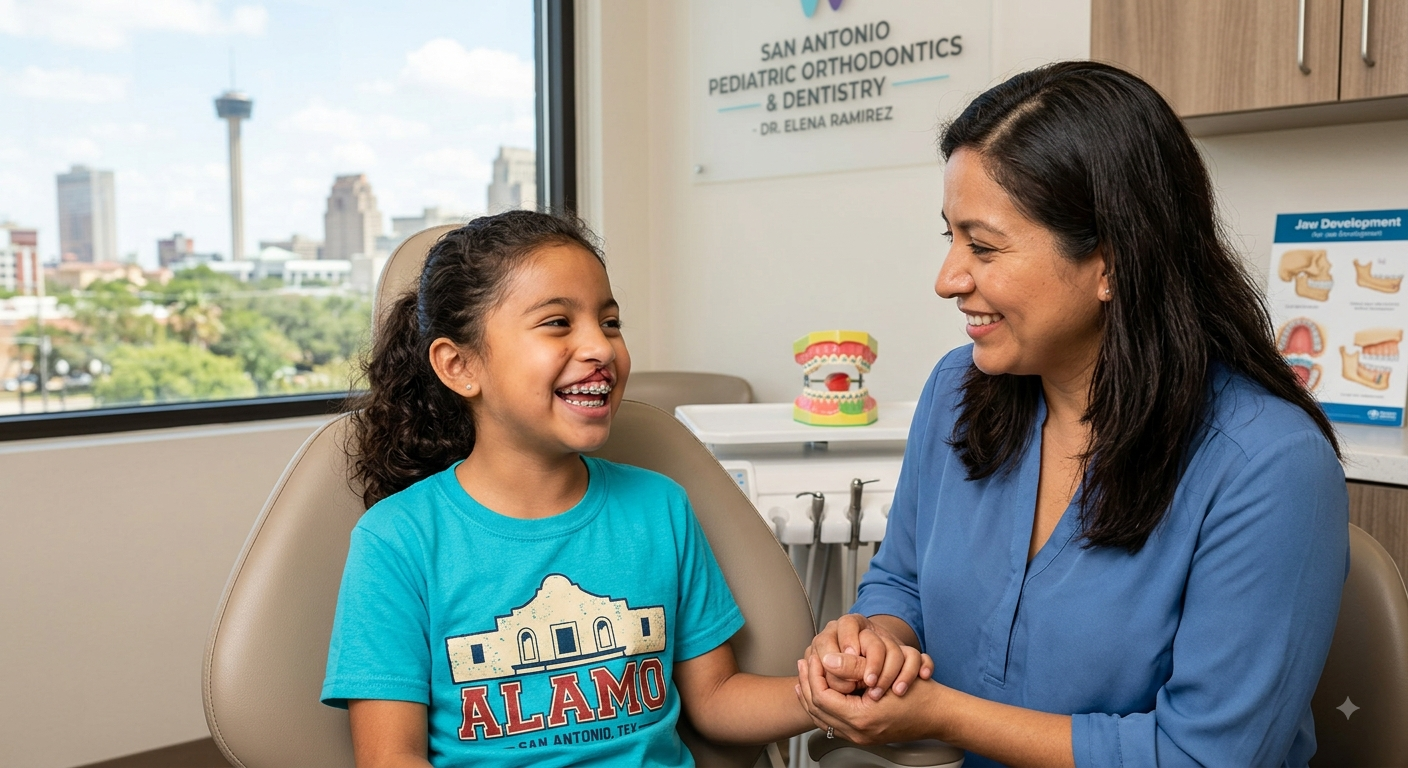
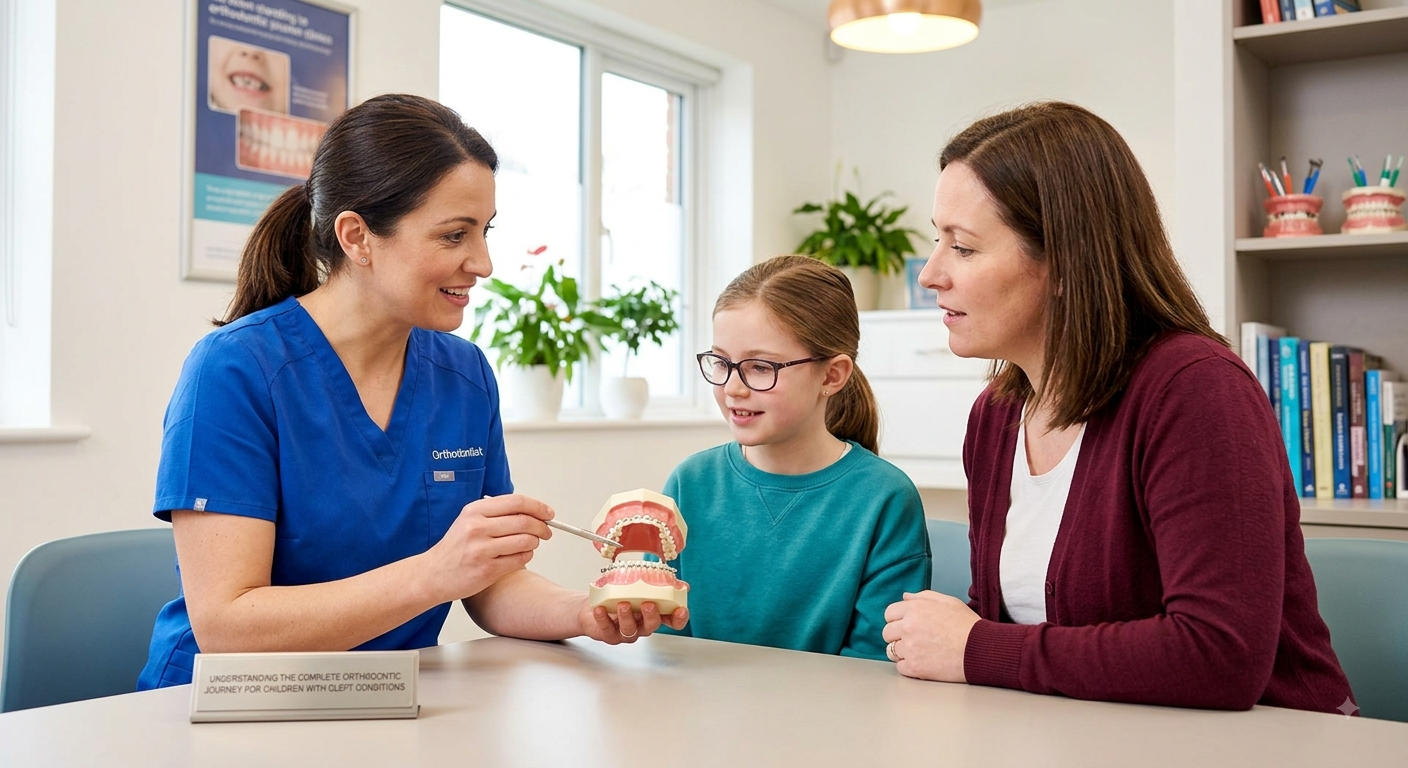
A child born with a cleft lip often begins a treatment journey that continues through different stages of growth and development. While early surgeries help repair the lip and improve function, orthodontic care becomes an essential part of creating a healthy, balanced smile over the years. Teeth may erupt in unusual positions, the upper jaw may develop differently, and bite alignment can become more complex than in children without a cleft condition. These challenges affect appearance, chewing, speech, and long term oral health. Braces provide an important solution because they guide teeth into healthier positions while supporting proper jaw development. Families in San Antonio who understand the value of coordinated orthodontic care can help their children achieve stronger, healthier smiles that continue improving well into adulthood.
Why Orthodontic Treatment Is Essential After Cleft Lip Repair
Surgical correction addresses the soft tissue and structural concerns associated with a cleft lip, but it does not automatically ensure proper tooth alignment or jaw growth. As permanent teeth begin to emerge, orthodontic issues often become more noticeable and may require careful intervention. Teeth can be crowded, rotated, missing, or positioned too far apart because of changes in the surrounding bone and tissues. Braces help create order within the dental arch by gradually moving teeth into more functional positions. This process improves the bite while also preparing the mouth for additional treatments that may be needed later. Every phase of orthodontic care builds upon previous medical treatment, making it an important part of comprehensive cleft management.
How Braces Encourage Healthy Jaw Development
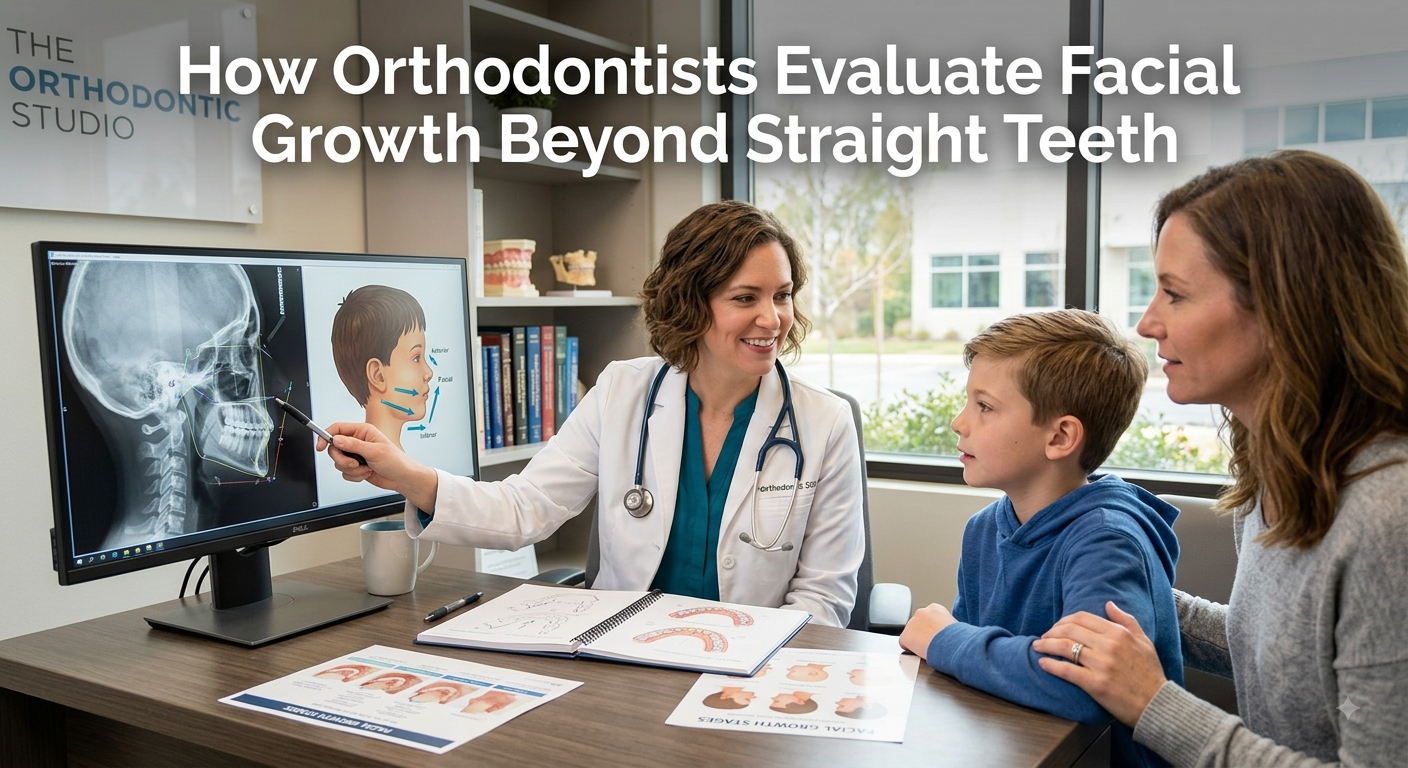
Jaw growth continues throughout childhood and adolescence, making these years particularly important for orthodontic guidance. A cleft condition may influence the way the upper jaw develops, which can affect facial balance and bite function over time. Braces work alongside other orthodontic appliances when necessary to encourage healthier relationships between the upper and lower jaws. Proper alignment reduces excessive pressure on individual teeth and promotes more efficient chewing. Balanced jaw development also contributes to clearer speech and improved facial harmony as children mature. Careful monitoring throughout growth allows treatment to adapt as developmental changes occur.
Creating Space for Permanent Teeth
Many children with cleft lip experience delayed tooth eruption or unusual tooth positioning because the cleft affects the surrounding bone. Some permanent teeth may struggle to erupt naturally, while others appear at unexpected angles. Braces gradually create the space needed for these teeth to emerge into healthier positions whenever possible. This controlled movement reduces the likelihood of severe crowding that could become more difficult to correct later. Proper spacing also improves oral hygiene because teeth become easier to brush and floss effectively. Supporting healthy eruption patterns contributes to stronger long term dental health while creating a more natural smile.
Supporting Future Bone Grafting Procedures
Orthodontic treatment is often closely coordinated with bone grafting when the cleft extends into the gum and jaw area. Braces may be used before the graft to position teeth appropriately and create the best possible environment for successful healing. Proper spacing allows surgeons to place bone material more effectively where additional support is needed. After healing, orthodontic treatment continues to guide teeth into their ideal positions using the strengthened bone structure. This coordinated approach increases stability while improving overall treatment outcomes. Careful timing between orthodontic and surgical procedures helps ensure each stage supports the next.
Improving Bite Function for Everyday Activities
A healthy smile is not only about appearance because the way teeth fit together affects many daily activities. Children with cleft lip may develop crossbites, open bites, or other alignment issues that interfere with comfortable chewing. Braces gradually improve these relationships by guiding teeth into positions that distribute biting forces more evenly. Better alignment reduces unnecessary stress on individual teeth and jaw joints during eating. Improved function also makes speaking feel more natural as the tongue interacts with properly positioned teeth. Long term bite correction contributes to greater comfort and stability throughout adulthood.
Enhancing Speech Development Through Better Alignment
Speech development depends on the coordinated movement of the lips, tongue, teeth, and palate. Even after successful cleft lip repair, tooth positioning can influence pronunciation and articulation. Braces improve the alignment of the dental arches, allowing the tongue to contact the teeth more naturally during speech. While orthodontic treatment alone does not resolve every speech concern, it often complements speech therapy and surgical care by creating a healthier oral environment. Better alignment gives many patients greater confidence when communicating in social and academic settings. This combination of functional improvement and emotional confidence becomes increasingly valuable as children grow older.
Building Confidence Throughout Childhood and Adolescence
Children who have experienced multiple surgeries and medical appointments often become highly aware of their appearance as they enter school and adolescence. Misaligned teeth may increase self consciousness during important years of emotional development. Braces gradually transform the smile while giving patients visible progress throughout treatment. Each improvement encourages greater confidence and helps children feel more comfortable smiling, speaking, and interacting with others. Positive self esteem can influence academic participation, friendships, and overall quality of life. Supporting emotional wellbeing is an important benefit that accompanies successful orthodontic treatment.
Why Individualized Treatment Planning Matters
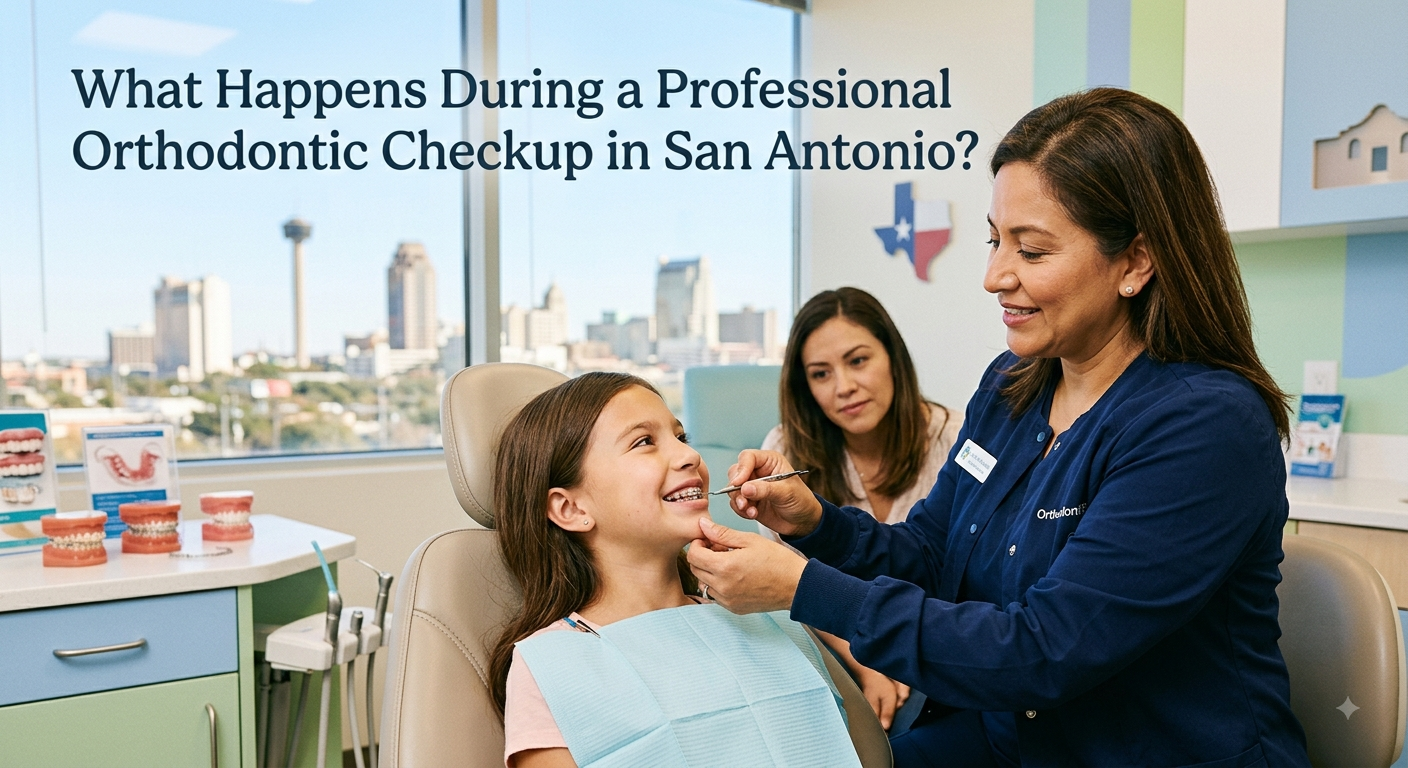
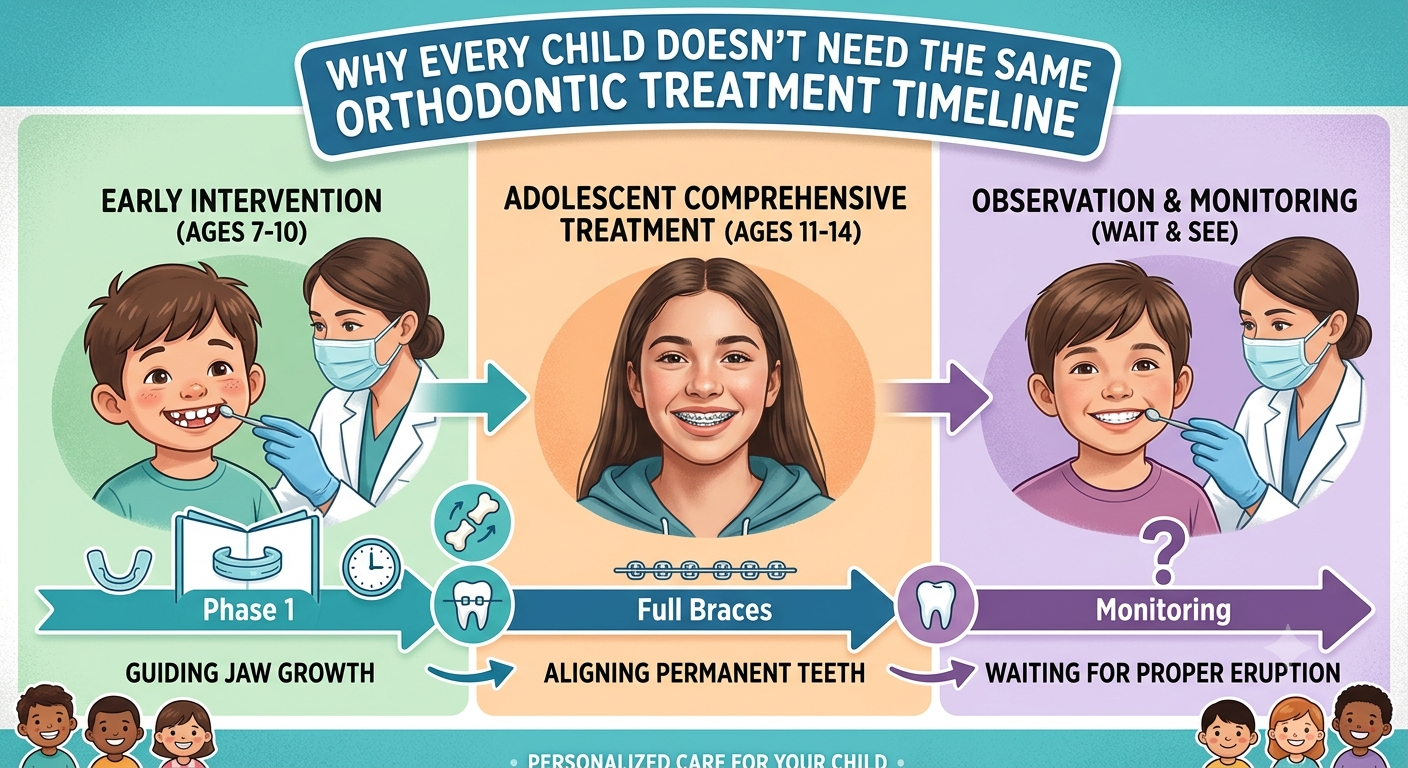
Every cleft lip case presents unique challenges because no two patients experience identical patterns of growth or dental development. Some children require early interceptive orthodontics, while others benefit from treatment during adolescence after additional growth has occurred. Comprehensive examinations allow us to evaluate tooth eruption, jaw relationships, facial growth, and future treatment needs before developing a personalized plan. Ongoing evaluations ensure adjustments are made as children continue growing. Close collaboration with surgeons, pediatric dentists, speech specialists, and other healthcare providers creates a more complete approach to care. Individualized planning improves efficiency while helping achieve stable long term results.
Monitoring Growth at Every Stage
Orthodontic treatment for cleft lip is rarely a single phase completed within a short period. Growth changes continue throughout childhood, requiring regular monitoring to identify new concerns before they become more significant. Follow up appointments allow orthodontists to evaluate jaw development, tooth eruption, and bite relationships over time. Early identification of changes often makes correction simpler and less invasive. Consistent observation also ensures previous treatment remains stable as permanent teeth continue to develop. Long term monitoring gives families confidence that their child’s smile is progressing in the healthiest possible direction.
Long Term Stability Through Retention
Completing active orthodontic treatment represents an important milestone, but maintaining the results requires continued attention. Teeth naturally have a tendency to shift over time, especially after extensive orthodontic correction. Retainers help preserve the improved alignment while surrounding bone and tissues adapt to their new positions. Regular orthodontic checkups confirm that the bite remains stable and identify any changes that may require attention. Good oral hygiene and consistent retainer use contribute significantly to maintaining treatment outcomes. Long term stability protects the investment families make in creating a healthier smile.
Partnering With Families for Lifelong Smile Success
Successful cleft lip orthodontic care depends on teamwork between patients, families, orthodontists, surgeons, and other healthcare professionals. Every stage of treatment builds toward the shared goal of creating a healthy, functional, and confident smile that lasts well into adulthood. At Amini Ortho, we understand that every child’s journey is unique and deserves thoughtful planning from beginning to end. Our team works closely with families to provide personalized orthodontic care that supports healthy growth, proper function, and beautiful smile development. Through careful monitoring, advanced orthodontic techniques, and compassionate care, we help children throughout San Antonio move toward brighter futures with stronger, healthier smiles. When orthodontic treatment is approached with patience, expertise, and long term planning, the benefits extend far beyond straight teeth and create lasting improvements that support overall wellbeing for years to come.