Micro-Stability Orthodontics in Active Lifestyles: A Modern Approach for Patients in San Antonio
Orthodontic care is no longer only about straightening teeth. It is increasingly about long-term stability, functional bite alignment, and ensuring that results hold up under real-world lifestyle pressures. At Amini Ortho, we focus on this evolving approach, especially for patients living in dynamic, high-activity environments like San Antonio.
This blog explores a less commonly discussed but highly important concept in orthodontics: micro-stability orthodontics, and why it matters for long-term treatment success.
Understanding Micro-Stability Orthodontics
Micro-stability orthodontics refers to the fine-tuned balance between tooth positioning, bite force distribution, and neuromuscular adaptation after orthodontic treatment. While traditional orthodontics focuses on alignment, micro-stability focuses on how well those results hold under daily functional stress.
In practical terms, this includes:
• How teeth respond to chewing forces over time
• How bite alignment adapts to minor jaw movements
• How retainers support long-term positional stability
• How habits like clenching or grinding influence relapse risk
Patients in active professions, sports, or physically demanding routines often place higher functional stress on their bite, making stability just as important as aesthetics.
Why Stability Matters More Than Ever in San Antonio
In cities like San Antonio, lifestyle factors play a major role in orthodontic outcomes. Many patients lead active lives involving fitness training, outdoor work, or physically intensive professions. These factors can subtly influence bite dynamics over time.
Common contributors to orthodontic relapse include:
• Inconsistent retainer use
• High bite-force habits such as teeth clenching during stress or exercise
• Natural bone remodeling after treatment
• Poor post-treatment monitoring
Without a stability-focused approach, even well-aligned teeth can gradually shift, reducing long-term treatment success.
Functional Bite Design and Long-Term Retention
A strong orthodontic plan does not end when braces or aligners are removed. The retention phase is where stability is truly established.
Key components of functional bite design include:
• Aligning teeth with natural jaw movement patterns
• Balancing pressure across molars and incisors
• Ensuring airway and tongue posture compatibility
• Customizing retention protocols based on lifestyle risk factors
At Amini Ortho, we emphasize retention strategies that are not one-size-fits-all but instead tailored to individual bite behavior and daily activity patterns. This reduces relapse risk and improves long-term satisfaction.
The Role of Habits and Muscle Memory
One of the most overlooked aspects of orthodontic success is neuromuscular adaptation. After teeth are moved into ideal positions, surrounding muscles and joints must adapt to the new structure.
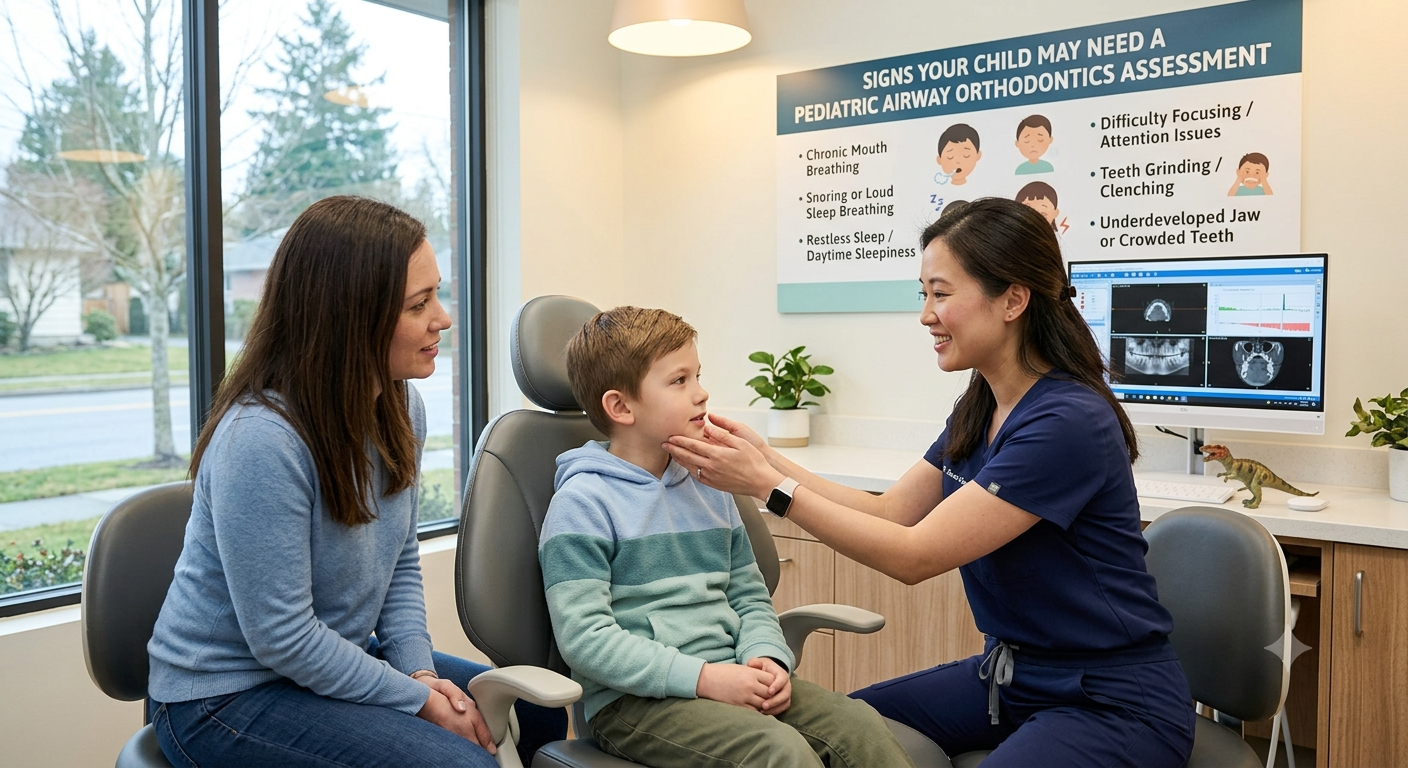
If old habits persist, such as tongue thrusting or nighttime grinding, they can gradually push teeth back toward their original positions. This is why stability-focused orthodontics evaluates both dental alignment and muscular behavior.
We also guide patients on:
• Correct tongue posture
• Nighttime protection strategies
• Stress-related clenching awareness
• Retainer wear optimization schedules
These steps help reinforce the new bite structure and minimize relapse.
Our Approach to Long-Term Orthodontic Success
The goal of modern orthodontics is not just transformation, but maintenance of results over decades. At Amini Ortho, we design treatment plans that prioritize predictability, durability, and functional balance.
This includes:
• Detailed initial bite analysis
• Customized movement planning for stability
• Post-treatment monitoring schedules
• Retention systems adapted to lifestyle risk levels
By combining biomechanics with behavioral insight, we ensure that results are not only visually aligned but structurally resilient.
Orthodontic treatment is most successful when it accounts for how teeth function long after active correction ends. Micro-stability orthodontics represents a shift toward long-term thinking, where bite behavior, muscle memory, and lifestyle all play a role in maintaining results.
For patients in San Antonio, this approach is especially valuable due to the varied and often active nature of daily life. Amini Ortho remains committed to delivering orthodontic care that prioritizes both alignment and lasting stability.