Braces in San Antonio: The Hidden Biological Timeline of Smile Transformation
Braces are often discussed as a purely cosmetic or alignment-focused treatment, but the reality is far more complex. Every adjustment triggers a structured biological response involving teeth, bone, gums, and even neuromuscular adaptation. For patients exploring braces in San Antonio, understanding this internal timeline can make the entire journey more predictable and less stressful.
We approach orthodontic care as a gradual, living system of change rather than a simple mechanical correction. At Amini Ortho, we focus on helping patients understand what is happening beneath the surface at every stage so they can stay confident throughout treatment.
Orthodontic Treatment as a Biological Adaptation System
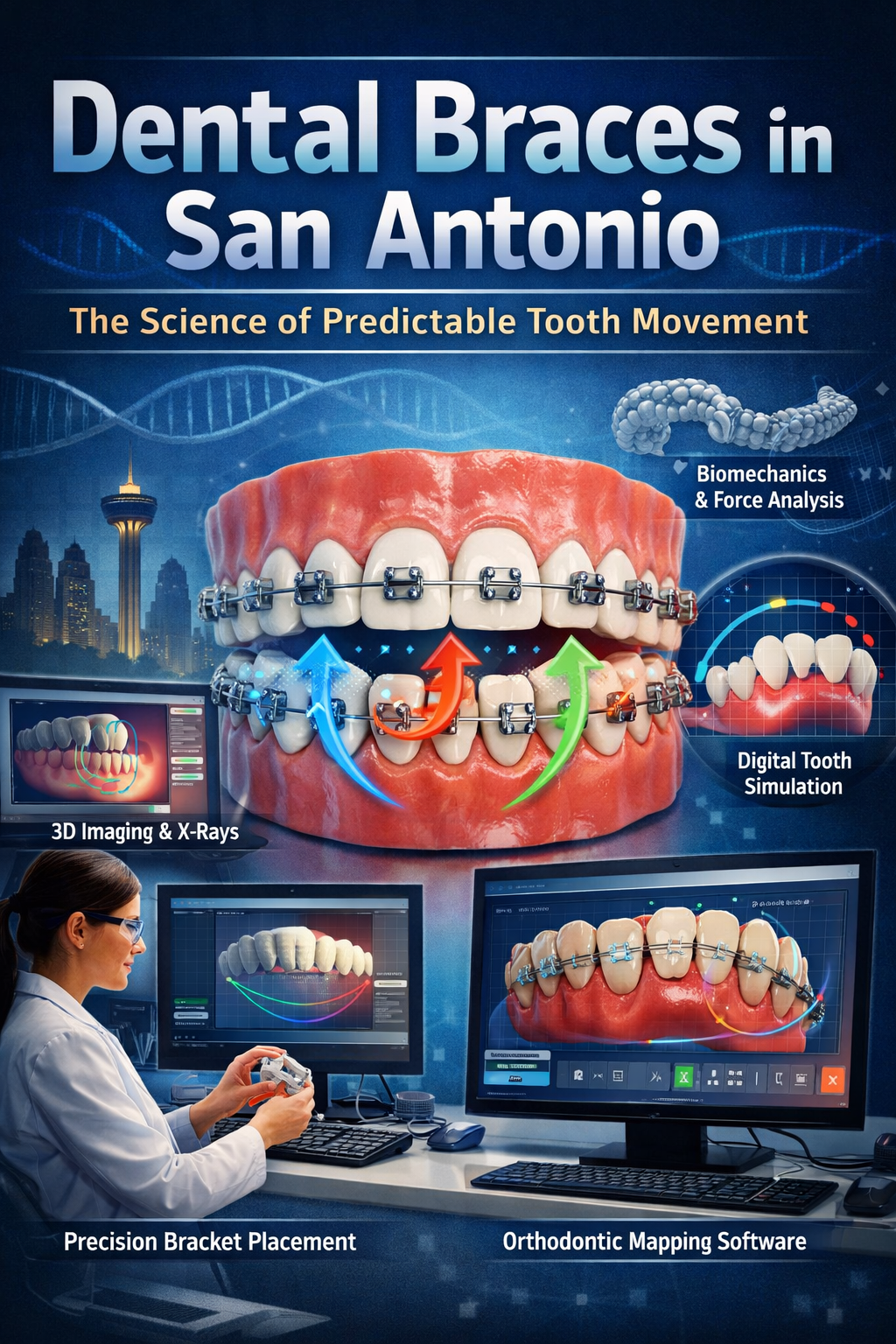
When braces are applied, they do not simply move teeth instantly. Instead, they initiate a controlled biological remodeling process. The surrounding bone responds to consistent pressure by breaking down in targeted areas and rebuilding in new positions. This is known as bone remodeling, and it is the foundation of all orthodontic movement.
What many patients do not realize is that soft tissues, bite force patterns, and even tongue posture begin adjusting within days. This means braces are not just a dental device, but a full oral system recalibration.
Understanding this helps set realistic expectations. Movement is continuous but gradual, and comfort levels change as the mouth learns to adapt.
Week 1 to Week 4: The Initial Adaptation Phase
The first month is typically the most noticeable phase for patients.
During the first few days, pressure from braces activates the periodontal ligament around each tooth. This can create mild soreness, especially while chewing. The sensation is temporary and usually peaks within 48 to 72 hours.
By the end of the first week, the mouth begins forming protective adaptations:
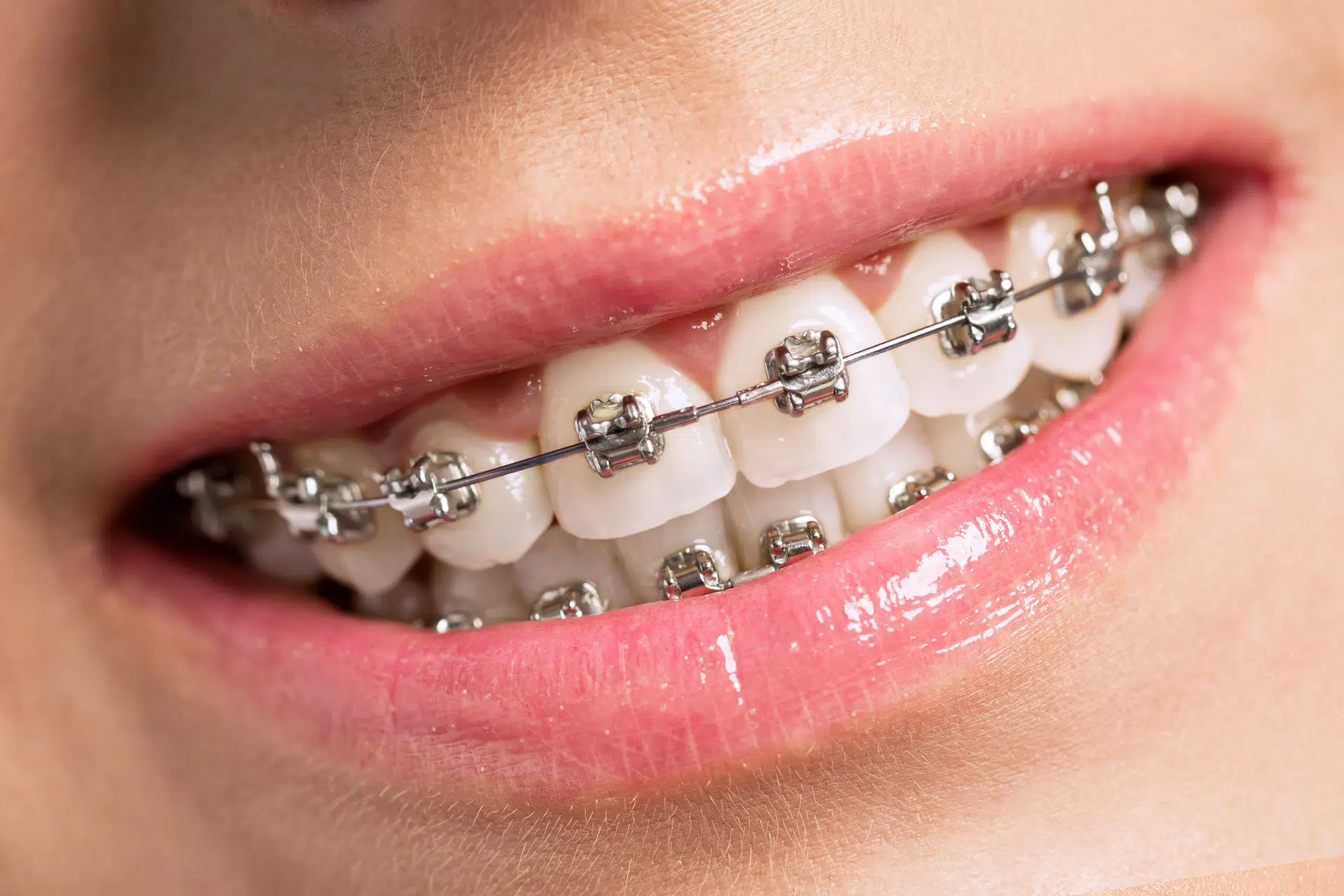
• Cheeks and lips develop slight callusing against brackets
• Saliva production may temporarily increase as the mouth adjusts
• Chewing patterns naturally shift toward softer foods
By week three or four, discomfort typically decreases significantly. At this stage, patients often begin to forget they are wearing braces for part of the day, which is an important psychological milestone.
We guide patients through this phase carefully at Amini Ortho, ensuring adjustments are timed to minimize discomfort while maintaining effective progress.
Months 2 to 6: Structural Tooth Movement and Bite Reorganization
Once the initial adaptation phase stabilizes, orthodontic movement becomes more predictable and biomechanically efficient.
During this period:
• Teeth begin visible repositioning along the arch wire
• Bite alignment starts to improve in measurable increments
• Gaps may temporarily appear or shift as part of controlled movement
• Jaw muscles gradually recalibrate to new bite positions
This stage is where long-term transformation becomes visible. However, it is also where patience is most important. Movement is continuous but subtle, often not noticeable day to day.
Patients in San Antonio often report increased confidence during this phase as alignment improvements become visible in photos and speech patterns.
Lifestyle Considerations for Braces Patients in San Antonio
Environmental and lifestyle factors can influence orthodontic comfort and hygiene routines.
In warmer climates like San Antonio, hydration becomes especially important. Increased water intake helps maintain oral moisture and reduces plaque accumulation around brackets. Additionally, seasonal dietary habits, such as consuming chilled foods or outdoor meals, may require minor adjustments to avoid hard or sticky textures.
Common practical recommendations include:
• Avoiding excessively crunchy snacks that stress brackets
• Choosing softer protein options during adjustment days
• Maintaining consistent cleaning after meals, especially when eating out
• Carrying orthodontic wax during travel or long days
These small habits significantly reduce irritation and support consistent treatment progress.
Oral Care Discipline and Long-Term Stability
Successful orthodontic outcomes depend heavily on daily maintenance habits. Braces create additional surfaces where food particles and plaque can accumulate, making hygiene discipline essential.
A structured routine typically includes:
• Brushing after every meal using a soft-bristled toothbrush
• Interdental cleaning with specialized tools to reach between brackets
• Fluoride-based rinses to support enamel protection
• Regular professional cleanings to monitor gum health
Consistency in these practices not only prevents complications but also ensures that treatment timelines remain on track.
Patients who follow structured hygiene protocols tend to achieve more stable and aesthetically refined outcomes.
Emotional and Psychological Adjustment Over Time
Orthodontic treatment is not only physical. It also involves a psychological transition as patients adjust to changes in appearance and self-perception.
Initially, some patients may feel self-conscious about braces. However, this perception often shifts as alignment improvements become visible. Many patients report increased confidence by the midpoint of treatment, long before braces are removed.
This psychological shift is important because it reinforces adherence to treatment routines and improves overall satisfaction with the process.
We emphasize this aspect strongly at Amini Ortho, ensuring patients understand that each stage of change contributes to a long-term transformation rather than a temporary inconvenience.
Conclusion: Understanding the Full Journey of Smile Transformation
Braces are a structured, biological, and behavioral transformation system that works gradually over time. From initial adaptation to final alignment, every stage plays a specific role in reshaping both dental structure and patient confidence.
For individuals considering braces in San Antonio, understanding this timeline helps create realistic expectations and reduces uncertainty throughout treatment.
At Amini Ortho, we focus on combining clinical precision with patient education so every stage of the orthodontic journey feels predictable, manageable, and effective.